The Evolution of BMW’s Most Iconic Design Element
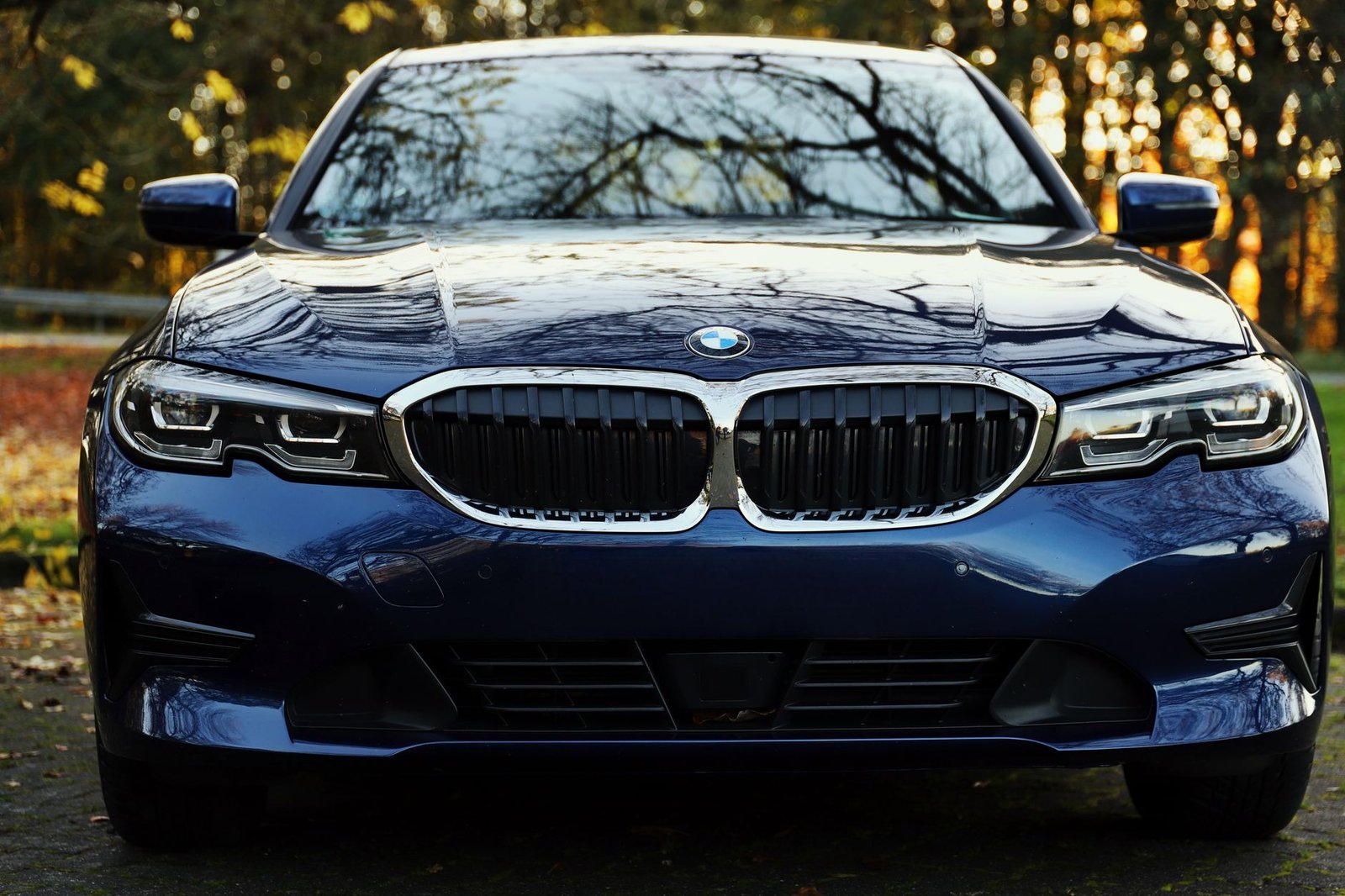
BMW’s kidney grille stands as one of the most recognizable and debated design features in automotive history. For nearly a century, this distinctive dual-opening front fascia has served as the visual signature of the Bavarian automaker, instantly identifying any BMW from blocks away. Yet few design elements have sparked as much discussion—and occasionally controversy—as the kidney grille, particularly as BMW has continually reinterpreted its proportions and presence across different model generations.
The kidney grille’s longevity in BMW’s design language speaks volumes about its effectiveness as a brand identifier. Unlike fleeting design trends that come and go with each generation, BMW has maintained this element through countless iterations, proving that great design transcends decades. However, the grille’s evolution hasn’t been static; it has transformed dramatically to reflect changing automotive aesthetics, technological advancement, and consumer preferences.
Understanding the Kidney Grille’s Historical Significance
The kidney grille’s origins trace back to BMW’s early racing heritage and aerodynamic research. What began as a functional necessity—directing cooling air to the radiator—became an aesthetic trademark that defined the brand’s identity. This dual purpose of form and function exemplifies BMW’s engineering philosophy, where beauty and performance intertwine seamlessly.
Throughout the decades, BMW designers have approached the kidney grille as a canvas for innovation. Each redesign tells a story about the era’s design language and BMW’s positioning within the luxury automotive market. From subtle refinements to dramatic reinterpretations, the grille has continuously evolved while maintaining its fundamental character.
Five Transformative Kidney Grille Generations
The first significant evolution occurred during the early post-war period, when BMW reestablished itself as a luxury marque. The kidney grille during this era featured more conservative proportions, reflecting the restrained elegance of 1950s design sensibilities. These early iterations were relatively modest in size, with vertical chrome bars that emphasized the grille’s symmetry and precision engineering.
The 1960s and 1970s brought a more aggressive interpretation, particularly with the introduction of the 3 Series and 5 Series models. BMW expanded the grille’s vertical dimensions, creating a more commanding presence on the road. This period saw the kidney grille become increasingly synonymous with BMW’s performance-oriented positioning, as the brand competed directly with established American and European luxury manufacturers.
The 1980s and 1990s witnessed a refinement phase, where BMW maintained the kidney grille’s scale while incorporating modern materials and production techniques. Chrome gave way to more integrated designs that blended seamlessly with the surrounding bodywork. This era also saw the grille become more prominent on high-performance models like the M-series vehicles, where the expanded opening served both aesthetic and functional cooling purposes.
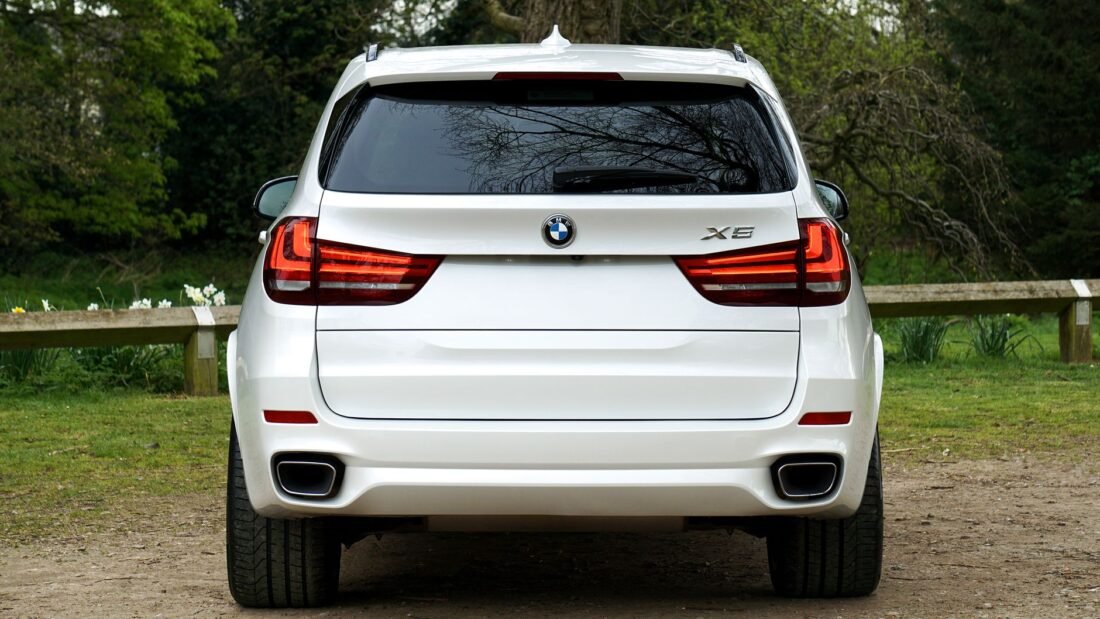
The early 2000s introduced the grille to BMW’s luxury vehicle lineup, where it became even more pronounced. Models like the X5 SUV and the then-new 7 Series featured dramatically larger kidney grilles that commanded attention on the road. This period marked a shift toward making the grille a more dominant visual element rather than a subtle design cue.
The most recent evolution, particularly evident in BMW’s current generation models, represents perhaps the most controversial interpretation. Contemporary BMW kidney grilles have grown to unprecedented proportions, with some models featuring vertically-oriented designs that extend higher than ever before. This bold approach reflects BMW’s commitment to making the grille an unmistakable brand signature in an increasingly crowded luxury market, though it has divided enthusiasts and critics alike.
Modern Design Challenges and Future Directions
Today’s BMW designers face unique challenges in reimagining the kidney grille for electric vehicles and autonomous-driving futures. As electric vehicles require less cooling air, designers must reconsider the grille’s functional purpose while preserving its iconic status. BMW has responded by creating closed or partially-closed grille designs on some EV models, maintaining visual continuity while acknowledging the changing thermal requirements of battery-powered powertrains.
The kidney grille’s evolution also reflects broader industry trends toward automotive design that emphasizes brand recognition and visual distinctiveness. In an era where consumers encounter vehicles primarily through digital images and brief glimpses, having an unmistakable design signature provides significant competitive advantage. BMW’s commitment to the kidney grille demonstrates how a single design element can anchor an entire brand identity across multiple decades and market segments.
Looking forward, the kidney grille will likely continue evolving as BMW navigates the transition to electric powertrains and autonomous driving technologies. However, the grille’s nearly-century-long presence in BMW’s design vocabulary ensures it will remain a central element of the brand’s visual identity. Whether embraced enthusiastically or debated passionately, the kidney grille represents BMW’s unwavering commitment to distinctive, recognizable design that transcends generational changes and technological disruption.