BMW’s New Electric Direction: The 2027 i3 as a 3 Series Member
BMW has officially positioned its upcoming 2027 i3 as a member of the prestigious 3 Series family, marking a significant shift in how the automaker categorizes its electric vehicles. While the model carries the ‘i’ designation typically reserved for BMW’s electric lineup, the company considers this new sedan a direct successor to the traditional 3 Series, blending heritage with cutting-edge electrification technology.
This strategic decision underscores BMW’s commitment to transitioning its most iconic sedan nameplate into the electric era. The 3 Series has been a cornerstone of the automotive industry for decades, and its evolution into an electric platform demonstrates how legacy automakers are adapting to changing market demands and regulatory pressures worldwide.
Design Evolution: What’s Changed in the New i3
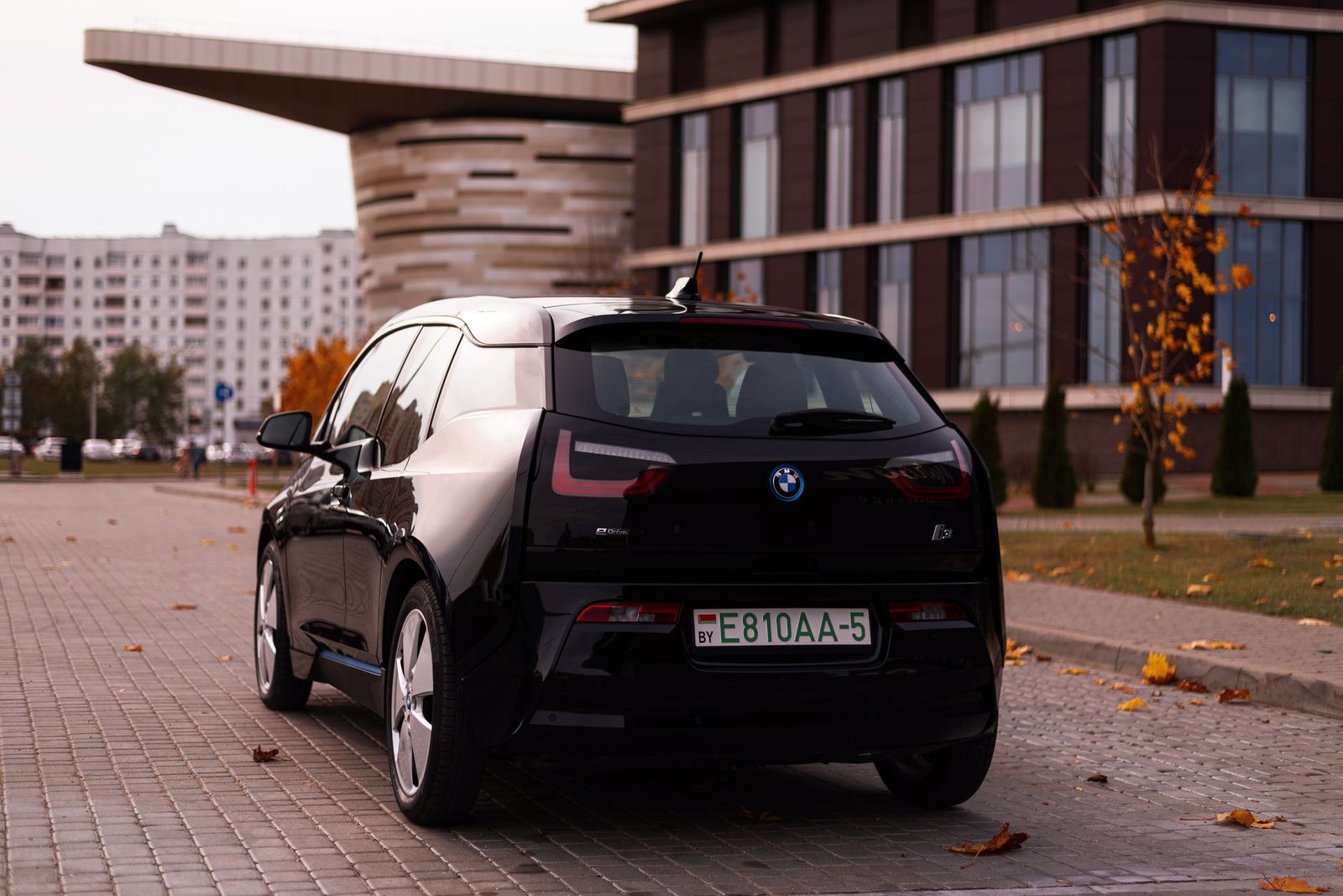
The 2027 BMW i3 represents a dramatic departure from its predecessor, the quirky and compact i3 city car that debuted in 2013. The new sedan adopts a more traditional and sophisticated design language that appeals to the core 3 Series demographic. The vehicle features a sleek, modern silhouette with aerodynamic proportions optimized for electric efficiency rather than the previous model’s distinctive boxy aesthetic.
Key design elements include a redesigned grille that reflects BMW’s current electric vehicle identity, refined LED lighting technology, and a lower drag coefficient that maximizes range. The proportions are noticeably more luxurious and spacious compared to the original i3, with an extended wheelbase that provides passengers with improved comfort and practicality. These changes position the i3 as a genuine competitor in the premium electric sedan segment, where it will face rivals like the electric vehicle market leaders in performance and technology.
Interior and Technology Advancements
Inside, the 2027 i3 showcases BMW’s latest digital ecosystem and premium materials. The cabin features the latest generation of BMW’s iDrive infotainment system, offering seamless smartphone integration, over-the-air updates, and advanced driver assistance systems. The minimalist interior design philosophy prioritizes sustainability, with recycled and eco-friendly materials used throughout the cabin.
Passenger space has been significantly improved compared to the outgoing i3, with a more conventional sedan layout that prioritizes rear-seat comfort and trunk capacity. This practical approach makes the new i3 suitable for families and business professionals who require a daily driver with electric credentials. The digital instrument cluster and customizable ambient lighting enhance the premium driving experience.
Powertrain and Performance Specifications
While specific powertrain details remain under wraps, the 2027 i3 is expected to feature BMW’s latest electric motor technology with multiple output options catering to different market segments. The vehicle will likely utilize BMW’s fifth-generation eDrive platform, which has proven successful in other BMW electric models.
Range expectations are considerably higher than the original i3, with estimates suggesting over 300 miles of EPA-estimated range for base models. Fast-charging capabilities will enable drivers to add significant range in under 30 minutes using high-power DC chargers. Performance variants may deliver acceleration figures competitive with traditional 3 Series models, maintaining BMW’s reputation for dynamic driving dynamics.
Market Positioning and Competitive Landscape
The 2027 i3 enters a rapidly evolving premium electric sedan market dominated by established players and emerging EV specialists. By positioning the i3 as a 3 Series variant, BMW signals its intention to make this model the primary offering in this segment, eventually phasing out internal combustion engine versions. This mirrors strategies adopted by other luxury manufacturers investing heavily in electrification.
Pricing for the new i3 is expected to align with current 3 Series pricing, making premium electric sedan technology accessible to BMW’s traditional customer base. The model will appeal to luxury buyers seeking environmental consciousness without sacrificing performance, technology, or brand prestige. For those interested in comparing options, our luxury electric vehicle reviews provide comprehensive comparisons with competing models.
What This Means for BMW’s Future
The 2027 i3’s positioning as a 3 Series member represents a watershed moment for BMW’s electrification strategy. Rather than maintaining separate product lines for combustion and electric vehicles, the company is consolidating its offerings around electric platforms. This approach simplifies manufacturing, reduces development costs, and sends a clear message to consumers about BMW’s EV commitment.
The transition also reflects changing consumer preferences, particularly among younger luxury car buyers who prioritize sustainability and technology. By rebadging the i3 as a 3 Series, BMW maintains customer loyalty while modernizing its product portfolio. Future iterations of other iconic BMW nameplates will likely follow similar strategies, creating an entirely electric lineup within the next decade.
The 2027 BMW i3 ultimately demonstrates how established automakers are reimagining their most celebrated models for the electric age. By combining the 3 Series’ prestige with cutting-edge electric technology, BMW is positioning itself to lead the premium EV segment. For enthusiasts tracking the evolution of luxury electric sedans, this model represents a pivotal moment in automotive history where tradition meets innovation.