
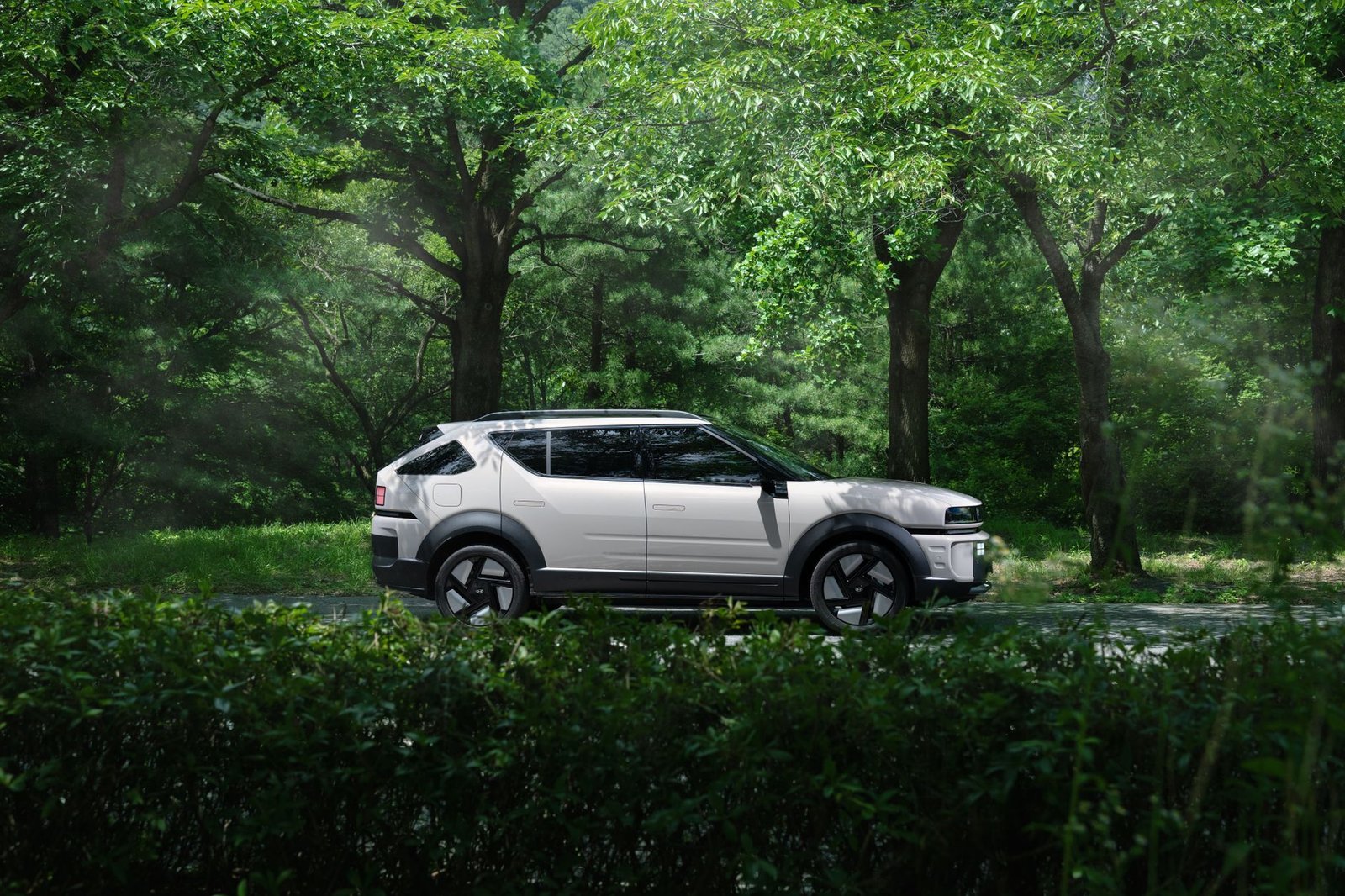
The Polestar 4 represents one of the automotive industry’s most intriguing design contradictions—a vehicle that defies traditional classification while managing to look absolutely stunning in the process. Whether you call it an SUV, a wagon, or something entirely new, the Polestar 4 occupies a fascinating middle ground that challenges conventional vehicle categorization.
Volvo’s performance brand has created something that borrows heavily from the wagon formula but wraps it in SUV proportions and styling cues. The result is a vehicle that feels both familiar and refreshingly different, combining the practicality enthusiasts love about wagons with the commanding driving position and rugged aesthetic associated with SUVs. It’s this hybrid nature that makes the Polestar 4 such a compelling proposition for buyers seeking something beyond the typical three-box sedan or traditional tall SUV.
Design Philosophy: Breaking the Mold
The Polestar 4’s design language represents a deliberate departure from conventional SUV design. Rather than emphasizing height and bulk, Polestar’s designers opted for a more streamlined silhouette that emphasizes length and elegance. The vehicle’s roofline doesn’t abruptly drop off like traditional SUVs; instead, it extends gracefully toward the rear, creating the distinctive proportions that blur the line between segments.
This approach reflects a broader shift in automotive design where manufacturers are increasingly willing to challenge market expectations. The Polestar 4 proves that buyers don’t need to choose between style and substance—the vehicle delivers both in equal measure. The sleek profile is complemented by modern LED lighting elements and a minimalist front end that emphasizes Polestar’s commitment to Scandinavian design principles.
Practical Versatility Meets Performance
Beyond aesthetics, the Polestar 4 delivers genuine versatility. The extended roofline provides cargo space that rivals traditional wagons while maintaining the elevated seating position many SUV buyers prefer. This practical approach to design means owners don’t sacrifice functionality for style—a rare combination in today’s market.
The vehicle’s performance credentials further distinguish it from typical wagons. As a Polestar product, the 4 emphasizes driving dynamics and technological sophistication. The brand’s commitment to electrification means the Polestar 4 offers electric powertrain options that deliver both environmental benefits and impressive performance characteristics. For those interested in the broader landscape of performance-oriented vehicles, exploring electric vehicle reviews provides valuable context for understanding how Polestar positions itself within this growing segment.
The US Market Disappointment
What makes the Polestar 4’s story particularly frustrating is the news that American consumers won’t have the opportunity to purchase this compelling vehicle. The decision to exclude the US market represents a significant loss for enthusiasts who appreciate innovative design and performance-focused engineering. In a market increasingly dominated by conventional SUVs and crossovers, the Polestar 4 would have offered a refreshing alternative.
This exclusion likely stems from various market considerations, including regulatory requirements, manufacturing capacity, and strategic brand positioning. However, it underscores a broader challenge facing automotive innovation in the United States—sometimes the most interesting vehicles never reach American showrooms due to factors beyond pure consumer demand.
What This Means for the Broader Market
The Polestar 4’s unavailability in the US highlights how global automotive markets are increasingly diverging. European and Asian markets are embracing unconventional vehicle categories and designs that American regulations or consumer preferences don’t fully support. This creates a frustrating situation where innovative products exist but remain inaccessible to significant portions of the potential customer base.
For those interested in understanding how different manufacturers approach vehicle segmentation and design, SUV reviews and wagon vehicle comparisons offer valuable insights into how these categories continue to evolve. The Polestar 4 represents an important inflection point in this evolution—a vehicle that refuses to be confined by traditional segment boundaries.
The Polestar 4 ultimately stands as a testament to what happens when designers prioritize innovation over convention. Whether you view it as a wagon, an SUV, or something entirely unique, the vehicle demonstrates that automotive design still has room for bold experimentation. The real shame isn’t that the Polestar 4 defies easy categorization—it’s that American enthusiasts won’t get the chance to experience this innovative approach to vehicle design firsthand.
As the automotive industry continues evolving, vehicles like the Polestar 4 serve as important reminders that market segmentation doesn’t have to be rigid. Sometimes the most compelling options emerge when manufacturers challenge established categories and create something genuinely new.