- The Evolution of BMW's Most Iconic Design Element
- The Original 1933 BMW 303: Birth of an Icon
- The Classic 1960s BMW 2002: Refinement and Performance
- The Iconic 1975 BMW 3 Series: The Modern Standard
- The Modern Era: 2004 BMW 5 Series and Contemporary Interpretations
- The Contemporary Giant: The 2020s Generation and Ongoing Debate
- The Kidney Grille's Role in Brand Identity
- Looking Forward: The Future of the Kidney Grille
The Evolution of BMW’s Most Iconic Design Element
BMW’s kidney grille stands as one of the most recognizable and debated design features in automotive history. For nearly a century, this distinctive double-kidney shape has served as the brand’s visual signature, appearing on everything from compact sedans to high-performance supercars. The grille’s longevity and prominence make it a fascinating case study in automotive branding and design evolution, demonstrating how a single element can define an entire manufacturer’s identity.
The kidney grille’s journey reflects BMW’s broader design philosophy and technological advancement. What began as a functional necessity has transformed into a symbol of luxury and performance, continuously reimagined to reflect contemporary design trends while maintaining its essential character. Understanding this evolution provides insight into how BMW has maintained brand recognition across decades of radical automotive change.
The Original 1933 BMW 303: Birth of an Icon
The kidney grille’s story begins with the 1933 BMW 303, the first BMW to feature this distinctive design. Created during a pivotal moment in automotive history, the grille was both a practical solution and a bold aesthetic choice. The dual-kidney shape provided improved cooling efficiency for the vehicle’s inline-six engine while creating a memorable front fascia that immediately distinguished BMW vehicles from competitors.
The original grille’s proportions were relatively modest by modern standards, occupying a smaller portion of the front fascia than contemporary versions. However, its impact was immediate and profound. The 303’s kidney grille became so synonymous with BMW that it established a design language that would persist for generations. This original iteration demonstrated the power of distinctive design in building brand identity, a lesson that continues to influence automotive design philosophy today.
The Classic 1960s BMW 2002: Refinement and Performance
By the 1960s, BMW’s kidney grille had evolved significantly, particularly on models like the 2002. This era saw the grille become more integrated into the overall front-end design, with improved proportions that better complemented the vehicle’s emerging sportier character. The 2002 represented BMW’s transition from a manufacturer of practical family cars to a builder of performance-oriented vehicles, and the kidney grille played a crucial role in communicating this shift.
The 1960s iteration of the grille featured sharper, more defined edges and a more prominent stance than its predecessor. This design evolution reflected changing aesthetic preferences and engineering improvements in cooling systems. The grille’s refined appearance on the 2002 helped establish BMW’s reputation for combining functionality with sophisticated design, principles that remain central to the brand’s identity. For enthusiasts exploring classic car designs, the 2002’s grille represents a pivotal moment when BMW began asserting its design leadership.
The Iconic 1975 BMW 3 Series: The Modern Standard
The introduction of the BMW 3 Series in 1975 marked another watershed moment for the kidney grille’s evolution. This generation established design proportions and styling cues that would influence BMW’s aesthetic for decades. The 3 Series grille was larger and more prominent than previous versions, better suited to the vehicle’s more assertive stance and sportier positioning in the market.
The 1975 3 Series grille demonstrated BMW’s confidence in its design language. Rather than minimizing the kidney shape, designers embraced it, making it a focal point of the front fascia. This bold approach paid dividends, as the 3 Series became one of the best-selling luxury sports sedans in the world. The grille’s prominence on this model established a template that BMW would refine across its expanding model lineup, proving that distinctive design elements could drive commercial success when executed with conviction.
The Modern Era: 2004 BMW 5 Series and Contemporary Interpretations
The early 2000s brought significant technological and aesthetic changes to BMW’s design language, with the 2004 5 Series representing a modernization of the kidney grille concept. This generation featured a more angular, aggressive interpretation of the classic shape, reflecting contemporary design trends and the brand’s evolution toward more dynamic styling. The grille’s size increased further, occupying a more dominant position on the front fascia while maintaining the essential kidney proportions.
This era of kidney grille design emphasized the tension between respecting heritage and embracing modernity. BMW designers had to ensure that the grille remained recognizable as a BMW trademark while appearing fresh and contemporary. The 2004 5 Series achieved this balance through refined proportions, improved integration with surrounding design elements, and more sophisticated materials and finishes. This approach influenced how BMW would handle design updates across its entire portfolio.
The Contemporary Giant: The 2020s Generation and Ongoing Debate
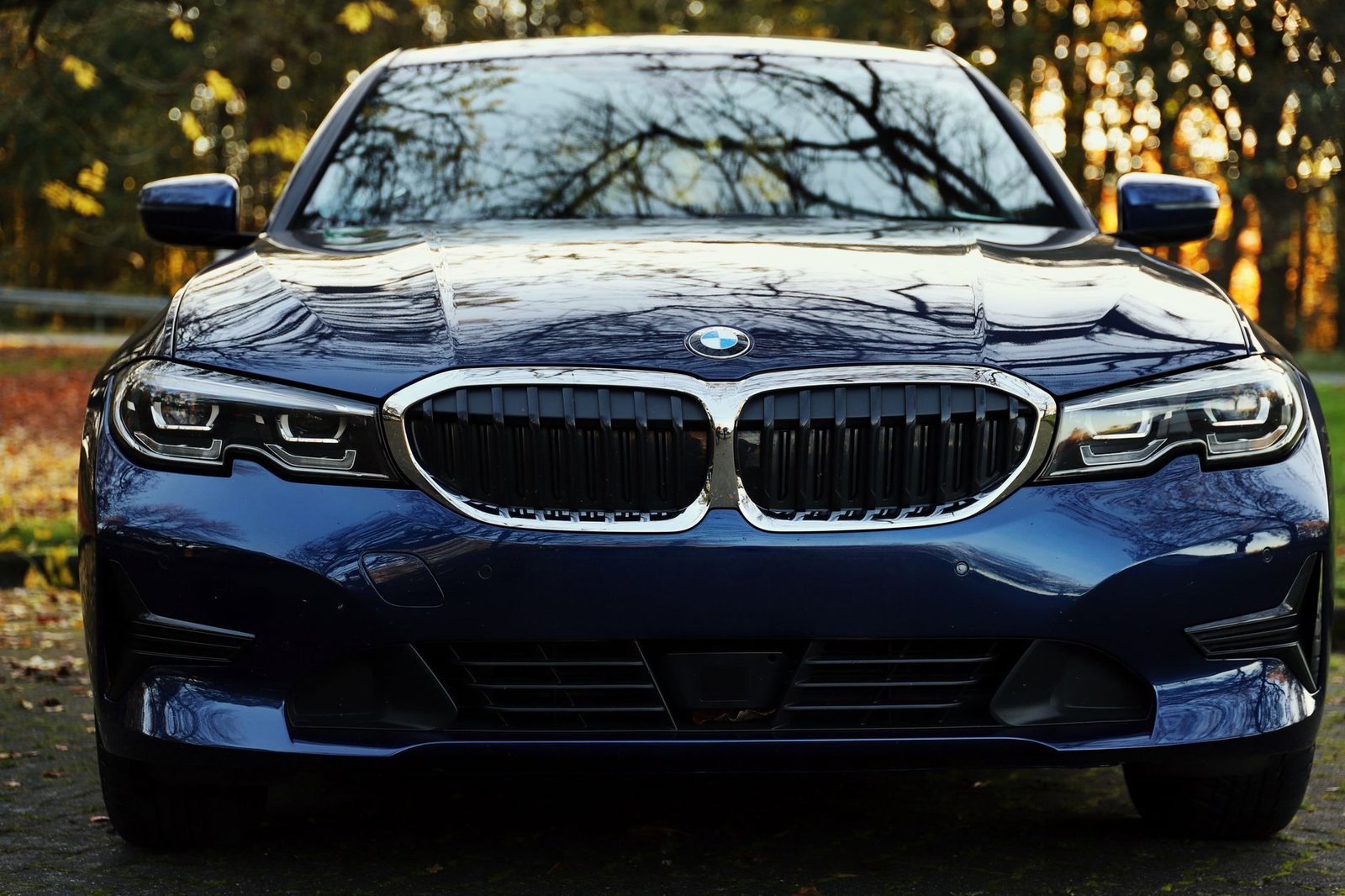
The most recent evolution of BMW’s kidney grille has proven the most controversial, particularly with the introduction of oversized versions on models like the 4 Series and newer 7 Series. These contemporary interpretations dramatically enlarged the grille, making it the dominant visual feature of the front fascia. While some praised the bold, confident design statement, others criticized it as excessive and out of proportion with the vehicle’s overall design.
This latest chapter in the kidney grille’s evolution illustrates the ongoing challenge of maintaining brand identity while responding to modern design trends and functional requirements. Larger grilles accommodate modern cooling systems and accommodate the integration of sensors and technology required by contemporary vehicles. The contemporary versions also reflect a broader trend in luxury automotive design toward larger, more prominent front-end elements. For those interested in current luxury vehicle design trends, the modern kidney grille represents a fascinating case study in how heritage brands balance tradition with innovation.
The Kidney Grille’s Role in Brand Identity
Throughout its nearly century-long history, the kidney grille has served functions far beyond cooling and engine ventilation. It has become BMW’s most reliable brand identifier, instantly recognizable even to casual observers unfamiliar with automotive design. This consistency has proven invaluable in an industry where model proliferation and market segmentation can blur brand distinctions.
The grille’s evolution also reflects broader shifts in automotive design philosophy. Early iterations prioritized function and integration; mid-century versions emphasized sportiness and refinement; modern interpretations balance heritage with technological necessity and contemporary aesthetics. Each transformation tells a story about BMW’s market position, design priorities, and vision for the future. Understanding this progression provides insight into how successful automotive brands maintain relevance across generations of dramatic technological and stylistic change.
Looking Forward: The Future of the Kidney Grille
As BMW transitions toward electrification and autonomous technologies, the kidney grille faces an uncertain future. Electric vehicles require less cooling than traditional combustion engines, potentially reducing the functional necessity for large grilles. However, BMW has demonstrated its commitment to maintaining the kidney grille as a brand identifier, even on fully electric models like the i4 and iX. This commitment suggests that the grille will continue evolving, adapting to new technologies while preserving its iconic status.
The kidney grille’s journey from a functional cooling solution to a defining brand element demonstrates the power of consistent, distinctive design. As the automotive industry undergoes its most dramatic transformation in a century, BMW’s iconic grille will likely continue evolving, serving as a visual anchor connecting the brand’s storied past to its electric future. For enthusiasts tracking BMW’s electric vehicle innovations, the kidney grille’s persistence represents continuity amid revolutionary change, ensuring that new generations of BMW owners will recognize the brand’s design heritage even as the vehicles themselves become fundamentally different from their predecessors.