The Future of Performance: Why Gas Engines Aren’t Going Anywhere
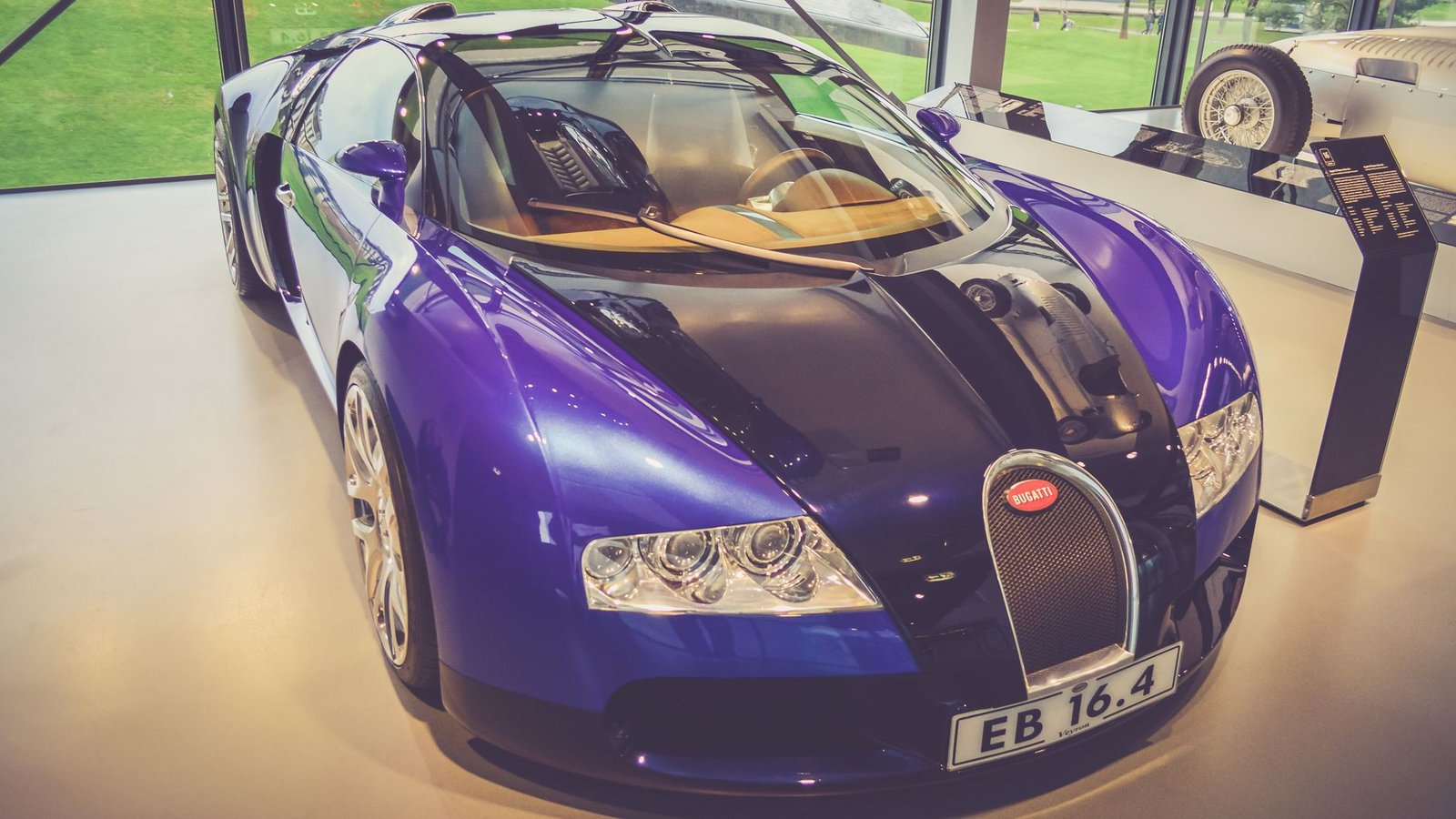
In a candid interview with CNBC, Mate Rimac, the visionary CEO of both Bugatti and his own hypercar company, made a bold statement about the automotive industry’s electrification trajectory. Despite leading companies at the forefront of EV technology, Rimac believes that combustion engines will maintain their dominance in the high-performance segment for decades to come.
“The upper segment, like sports cars and upwards, are going to stay combustion for a very long time, exactly like watches,” Rimac explained, drawing an intriguing parallel between the automotive and luxury goods industries.
Understanding the Analogy: Combustion as a Luxury Commodity
Rimac’s comparison to luxury watches is particularly insightful. Just as mechanical and automatic timepieces have persisted despite the availability of quartz and digital alternatives, traditional combustion engines are likely to remain the preferred choice for enthusiasts and collectors. The emotional connection, mechanical complexity, and sensory experience associated with gas engines create an intangible value that transcends pure functionality.
For sports car enthusiasts, the visceral experience of a naturally aspirated or turbocharged engine—the sound, the vibration, the mechanical engagement—represents something that electric motors, despite their performance advantages, cannot fully replicate. This emotional resonance ensures that combustion-powered vehicles will maintain their appeal among collectors and performance-focused drivers.
Market Segmentation: Different Powertrains for Different Markets
Rimac’s perspective reflects a nuanced understanding of the automotive market’s future. While mass-market vehicles and mainstream transportation will inevitably transition to electric powertrains, the luxury and hypercar segments operate under different economic and emotional parameters. Buyers in these categories prioritize heritage, craftsmanship, and driving experience over practicality and cost-efficiency.
This segmentation strategy allows manufacturers like Bugatti to pursue electrification in appropriate segments while maintaining combustion engines where they deliver the most value and customer satisfaction. The ultra-wealthy demographic that purchases hypercars and exclusive sports cars prioritizes exclusivity and tradition, factors that combustion engines symbolize.
The Practical Reality of EV Technology
While electric vehicles offer remarkable acceleration and performance metrics, current battery technology presents limitations in terms of range, charging infrastructure, and the driving experience that resonates with traditional car enthusiasts. As battery technology continues to evolve, these limitations may diminish, but the cultural and emotional attachment to combustion engines will likely persist in the premium segment.
Rimac’s comments suggest that the automotive industry’s future won’t be a uniform transition to electrification, but rather a sophisticated coexistence of powertrains tailored to specific market segments and customer preferences.