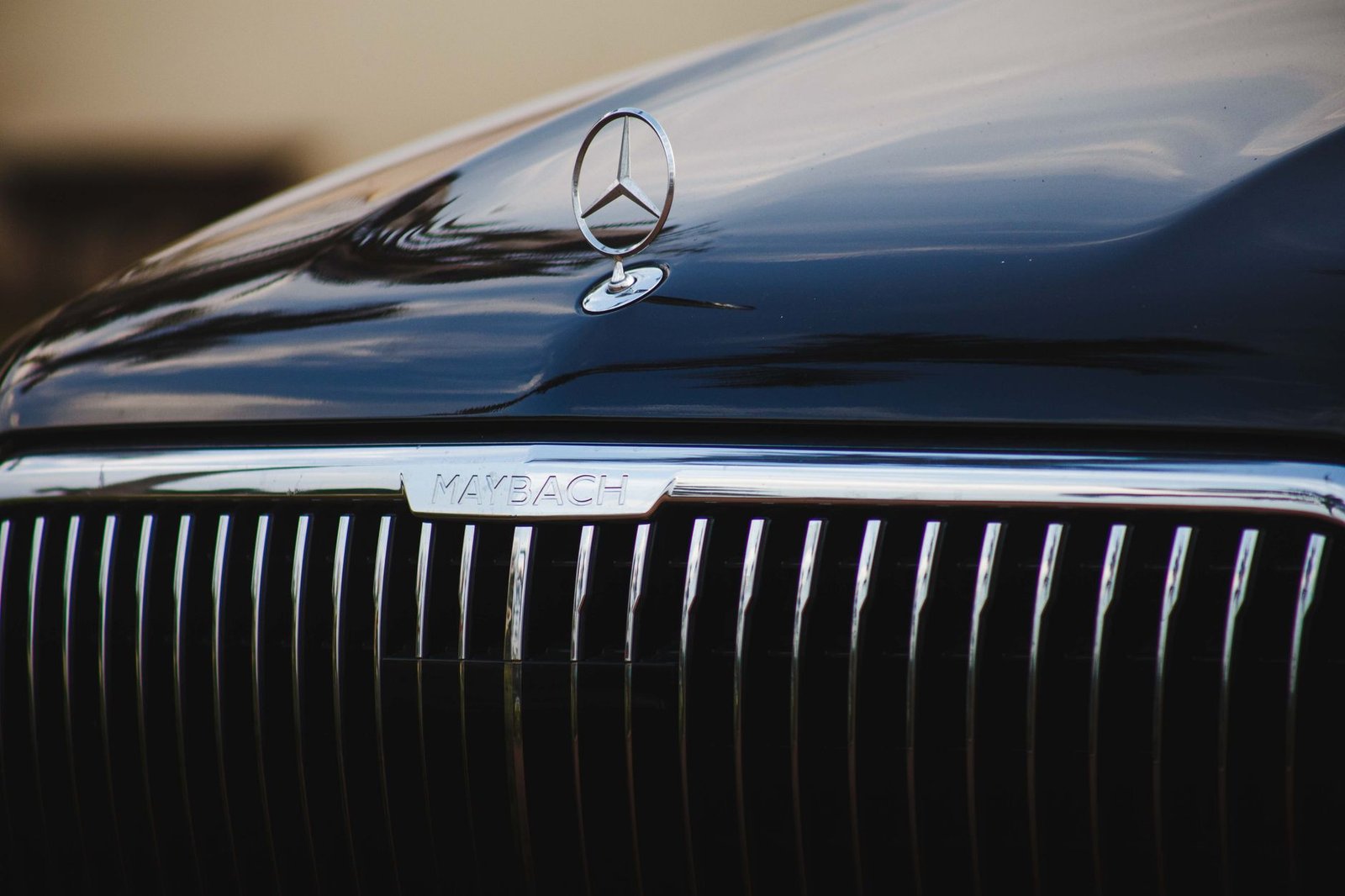
Mercedes-Benz stands as one of the world’s most prestigious automotive manufacturers, renowned for its luxury vehicles and the exclusive Maybach line. However, the origins of this automotive empire trace back to a visionary engineer whose innovations fundamentally transformed transportation. Before Mercedes-Maybach became synonymous with opulence and performance, Wilhelm Maybach created something revolutionary: the world’s first gas-powered motorcycle.
The Pioneering Vision of Wilhelm Maybach
Wilhelm Maybach was not content with existing transportation methods. In the late 19th century, when horse-drawn carriages dominated the roads, Maybach envisioned a future powered by internal combustion engines. His relentless pursuit of mechanical innovation would eventually reshape the automotive industry and establish the foundation for modern luxury vehicles.
Working alongside Gottlieb Daimler, Maybach developed groundbreaking engine technologies that would power the first motorized two-wheelers. Their collaboration represented a turning point in engineering history, combining Maybach’s mechanical genius with Daimler’s entrepreneurial vision.
The Birth of the First Gas-Powered Motorcycle
In 1885, Wilhelm Maybach and Gottlieb Daimler created the Daimler-Motorrad, recognized as the world’s first true motorcycle powered by an internal combustion engine. This revolutionary machine featured a single-cylinder four-stroke engine that produced just over half a horsepower—modest by modern standards, yet extraordinary for its time.
The motorcycle’s wooden frame and leather saddle reflected the era’s craftsmanship, while its innovative engine represented a quantum leap in mechanical engineering. This breakthrough demonstrated that gasoline engines could power personal transportation, a concept that seemed radical to contemporary observers accustomed to steam power and animal locomotion.
From Motorcycles to Automotive Excellence
Maybach’s success with motorized two-wheelers naturally led to four-wheeled vehicles. His engineering principles and relentless commitment to performance and quality became hallmarks of every vehicle bearing his name. The transition from motorcycle to automobile showcased Maybach’s versatility and his ability to scale innovations across different platforms.
The engineer’s influence extended beyond mechanical design. Maybach established manufacturing standards and quality control processes that became industry benchmarks. His approach to engineering—combining precision, durability, and elegance—would eventually define the Mercedes-Maybach brand’s DNA.
Legacy and Lasting Impact
Wilhelm Maybach’s contributions to automotive history cannot be overstated. From that first gas-powered motorcycle to the development of advanced automobile engines, his innovations accelerated the transition from horse-drawn transportation to motorized vehicles. His work directly influenced the creation of Mercedes-Maybach, which continues his legacy of engineering excellence and luxury today.
The Mercedes-Maybach line represents the culmination of over a century of innovation that began with Maybach’s pioneering spirit. Every modern Maybach vehicle carries forward the engineer’s commitment to superior craftsmanship, performance, and refinement—principles established when he built that groundbreaking first motorcycle.
Understanding Mercedes-Maybach’s heritage requires acknowledging Wilhelm Maybach’s foundational contributions to motorized transportation. His journey from creating the world’s first gas-powered motorcycle to establishing a luxury automotive empire demonstrates how visionary thinking and engineering excellence can transform entire industries and create lasting legacies.