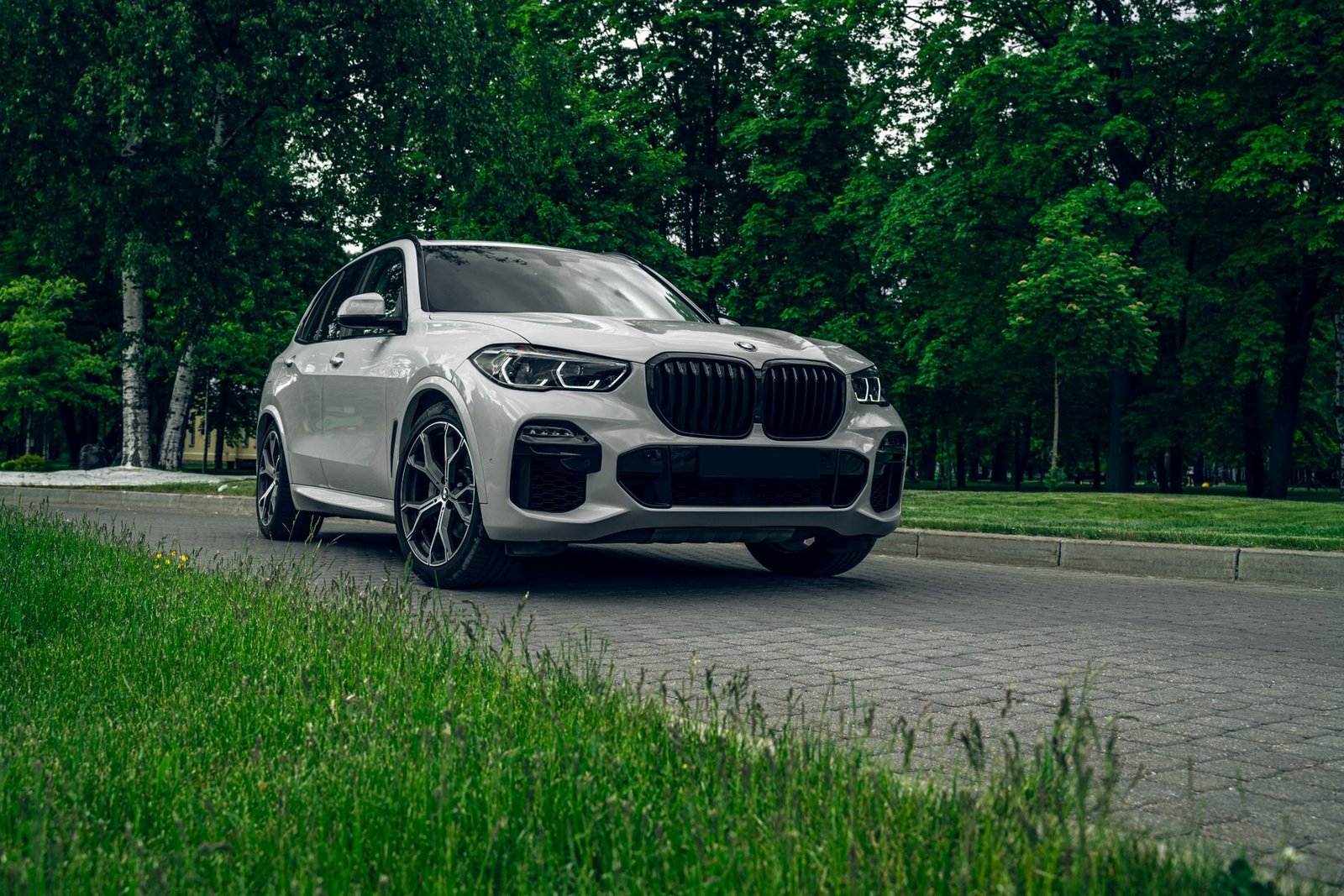
BMW has just rolled out pricing for the new X5 xDrive40 in Australia, and the number is raising eyebrows. The SUV starts at AU$145,900 before on-road costs. Convert that to US dollars at this week’s exchange rate of around 0.7122, and you get roughly US$103,900. Meanwhile, American buyers can get into the same X5 xDrive40 for closer to US$72,000. That’s a gap of about 44 percent for what is essentially the same vehicle.
For a car that shares its platform, engine, and features across global markets, that kind of price difference is hard to ignore. So what’s actually driving the gap?
Australia’s Tax Structure Is the Big Culprit
Unlike the US, Australia stacks several taxes on top of a vehicle’s base price. There’s the standard 10 percent Goods and Services Tax (GST), which applies to nearly everything sold in the country. But the real pain point for luxury buyers is the Luxury Car Tax (LCT), a 33 percent tax applied to any portion of a vehicle’s price above a set threshold.
For the 2025-2026 financial year, that threshold sits around AU$91,387 for standard vehicles. Since the X5 xDrive40 is priced well above that mark, a significant chunk of its cost gets hit with the extra 33 percent tax. This single policy explains a large portion of the price difference between Australia and the US, where no equivalent luxury tax exists at the federal level.
Import Costs and Right-Hand Drive Production
Beyond taxes, there’s also the cost of getting the vehicle to Australian shores in the first place. The X5 is built in the US, at BMW’s Spartanburg plant in South Carolina, which means every unit sold in Australia has to be shipped across the Pacific. That adds freight costs, plus import compliance expenses tied to converting the vehicle for right-hand drive markets.
American buyers, by contrast, are purchasing a vehicle built in their own backyard. There’s no ocean freight, no currency conversion risk for BMW, and no need to homologate the car for a different steering configuration. All of this adds up on the Australian side of the ledger.
Currency Fluctuations Don’t Help
The Australian dollar has been relatively weak against the US dollar for years, and that plays a role too. When BMW sets pricing in local currencies, it has to account for exchange rate volatility to protect its margins. A weaker Australian dollar means BMW effectively needs to charge more in AUD terms just to maintain the same profit it would get from a US sale.
This isn’t unique to BMW. Nearly every imported luxury brand in Australia deals with the same currency math, which is part of why European and American vehicles tend to carry a premium in the Australian market compared to their home markets.
What Buyers Actually Get for the Money
Despite the steep price, the X5 xDrive40 isn’t a stripped-down entry model. It comes with BMW’s latest infotainment system, a turbocharged inline-six engine paired with mild-hybrid assistance, and the brand’s xDrive all-wheel-drive system as standard. Buyers also get BMW’s updated driver-assistance suite and a redesigned interior that reflects the automaker’s current design language.
Even so, the core hardware is identical to what American buyers receive. There’s no additional feature set in Australia that would justify a 44 percent markup on its own. The gap comes almost entirely from taxation, logistics, and currency rather than added value.
How This Compares to Other Markets
Australia isn’t alone in facing steep luxury vehicle pricing. Countries like Singapore and parts of Europe impose even higher taxes on high-end cars, sometimes doubling or tripling the base price through registration fees and emissions-based levies. In that context, Australia’s 44 percent premium, while significant, isn’t the most extreme example globally.
Still, for Australian buyers comparing notes with American friends or family, the difference stings. A vehicle that costs around US$72,000 stateside translates to nearly US$104,000 once it lands in Australia and gets taxed accordingly.
The Bottom Line
The pricing gap on the new X5 xDrive40 isn’t really about BMW charging Australians more just because it can. It’s a byproduct of luxury car tax policy, import logistics, and currency dynamics that have been baked into the Australian car market for years. Buyers who want the latest X5 will simply need to budget for these added costs, since they’re structural rather than something BMW controls directly.
For now, the X5 xDrive40 remains a strong option in the midsize luxury SUV segment, even if Australian buyers are paying a hefty premium to get behind the wheel.