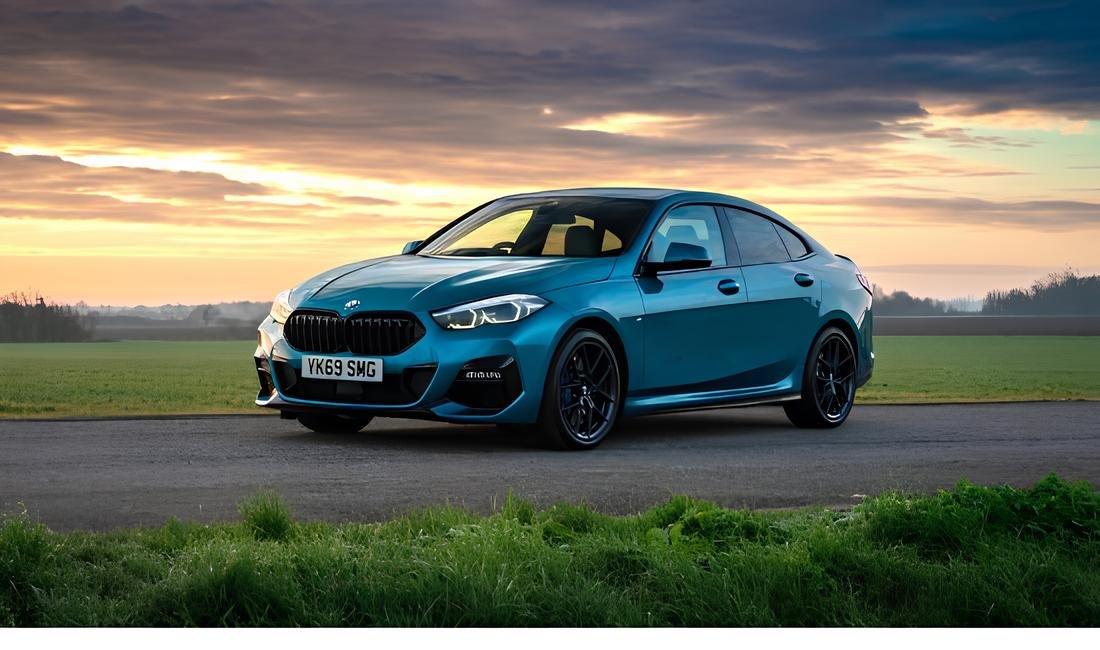
BMW built its reputation on rear-wheel-drive sedans, but its hatchback lineup tells a different story. From the boxy, driver-focused 3 Series Compact of the 1990s to the front-wheel-drive M135i xDrive of today, BMW has used the hatchback body style to test ideas it later brought to the rest of the range, including electric drivetrains, compact all-wheel drive, and small-displacement turbo engines.
Here are 10 BMW hatchbacks worth knowing, with real specs and what they cost on the used market today.
- BMW 3 Series Compact — E36 and E46 (1993–2004)
- BMW Z3 Coupe — E36/8 (1998)
- BMW 1 Series — E87/E81 (2004–2011)
- MINI Hatch — R56 and F56 (2006–present)
- BMW 1 Series F20 — M Sport and M140i (2011–2019)
- BMW M135i xDrive — F40 (2019)
- BMW i3 (2013–2022)
- BMW 2 Series Active Tourer (2014–present)
- BMW 4 Series Gran Coupe — F36 (2014–2020)
- BMW 2 Series Gran Coupe — F44 (2020–present)
BMW 3 Series Compact — E36 and E46 (1993–2004)
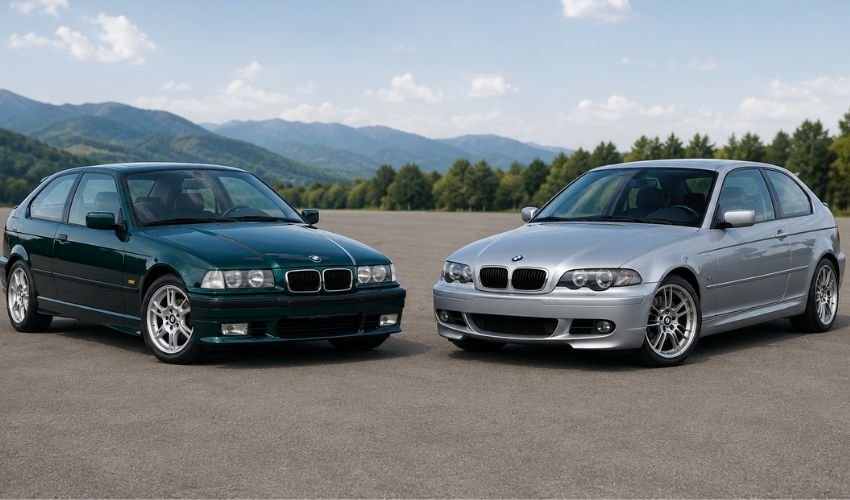
The 3 Series Compact took the standard 3 Series and shortened it into a hatchback. The E36-generation 318ti ran a 1.9-litre four-cylinder, while the later E46 Compact offered a 2.5-litre straight-six in the 325ti.
Cabin materials trail behind the standard 3 Series sedan of the same era, but both generations share the same rear-wheel-drive layout and the sharper suspension tuning BMW became known for. Clean, well-maintained E46 Compacts now sell for up to $20,000.
BMW Z3 Coupe — E36/8 (1998)
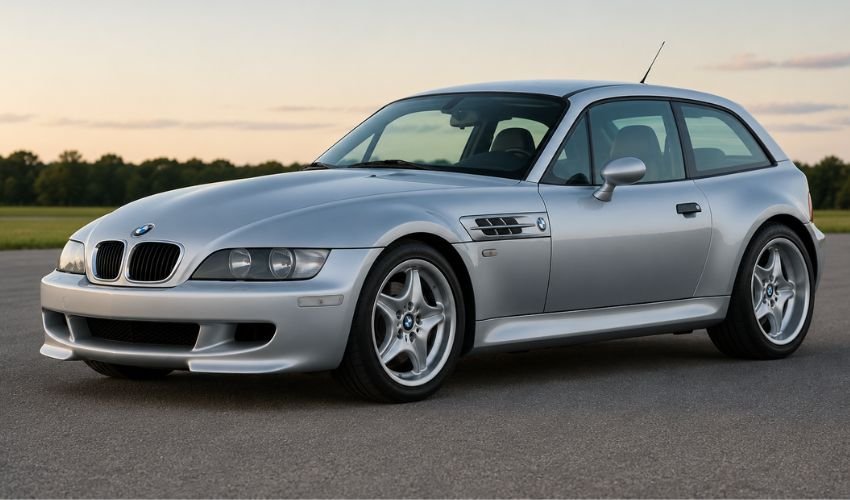
The Z3 Coupe took the Z3 roadster’s chassis and added a fixed roof, resulting in one of BMW’s more unusual small hatchbacks. Standard cars ran a 2.8-liter inline-six; the high-performance Z3 M Coupe stepped up to a 3.2-litre six.
Interior space is tight, but the car’s near-perfect weight balance and rear-wheel drive make it genuinely fun on back roads. Prices range from $30,000 for standard cars to over $70,000 for well-kept M Coupes. For a look at how BMW’s inline-six engines evolved into today’s lineup, see our BMW B58 engine guide.
BMW 1 Series — E87/E81 (2004–2011)
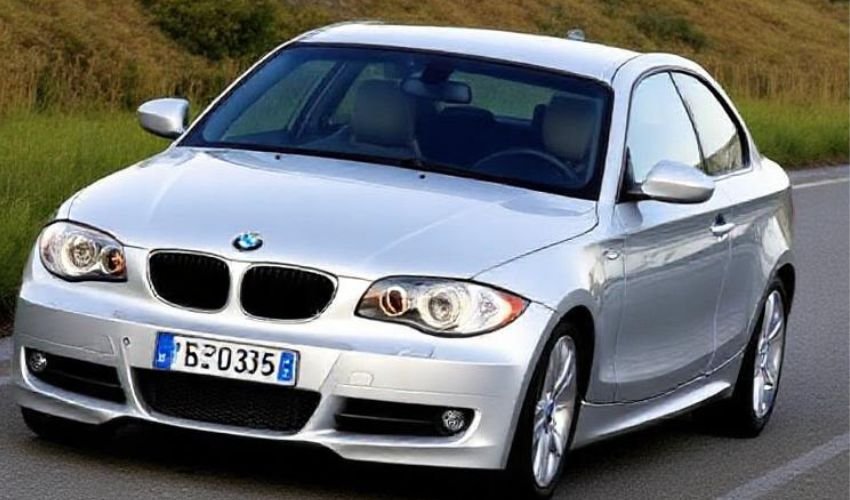
The first-generation 1 Series introduced BMW’s compact rear-wheel-drive hatchback to the US and European markets. The range topped out with the 130i, powered by a 3.0-liter inline-six making 265 horsepower.
The cabin is tighter than later generations, but the E87/E81’s rear-wheel-drive chassis gives it a lighter, more agile feel that BMW fans still seek out. Used examples run $5,000 to $15,000 depending on mileage and condition.
MINI Hatch — R56 and F56 (2006–present)
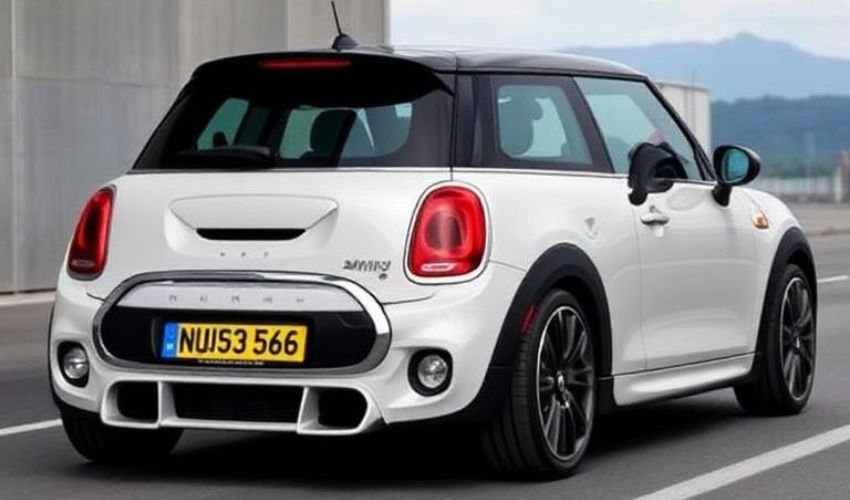
MINI has been part of the BMW Group since 2000, and the R56 and F56 generations reflect that engineering relationship directly. Cooper S and John Cooper Works trims use turbocharged four-cylinder engines producing up to 228 horsepower.
The circular center display and configurable ambient lighting give the cabin a distinct identity, separate from BMW’s own interior design language. Quick steering and a stiff chassis make it one of the more engaging small hatchbacks on this list. Prices range from $20,000 to $40,000 depending on trim and options.
BMW 1 Series F20 — M Sport and M140i (2011–2019)
The second-generation 1 Series kept rear-wheel drive at a time when most competitors had already switched to front-wheel-drive platforms. Engine options ranged from a 1.5-liter three-cylinder up to the M140i’s 3.0-liter inline-six.
The M140i is the one to know: 335 horsepower, a 0-60 mph time of 4.6 seconds, and one of the last rear-wheel-drive hot hatches BMW built before switching platforms. Used prices start around $25,000. For a deeper look at how BMW’s reliability holds up across generations, our most reliable BMWs guide breaks it down by model.
BMW M135i xDrive — F40 (2019)
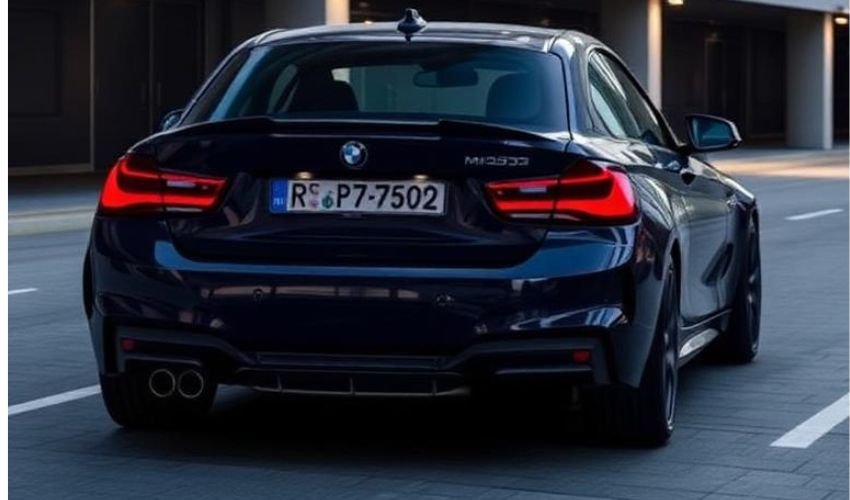
The M135i xDrive marked a real shift for BMW: the 1 Series moved to a front-wheel-drive-based platform, and the M135i became BMW’s first all-wheel-drive hot hatch. It runs a 2.0-litre turbocharged B48 engine producing 302 horsepower, paired with an 8-speed automatic and a Torsen limited-slip differential.
Despite losing the rear-wheel-drive layout that defined earlier 1 Series models, the M135i xDrive hits 0-60 mph in 4.6 seconds, quicker than the RWD M140i it replaced. New models start around $50,000. The B48 engine is known for coolant system wear past 100,000 km, so a maintenance history matters here as much as it does on any used BMW. For real ownership costs across the model range, see our BMW maintenance cost guide.
BMW i3 (2013–2022)
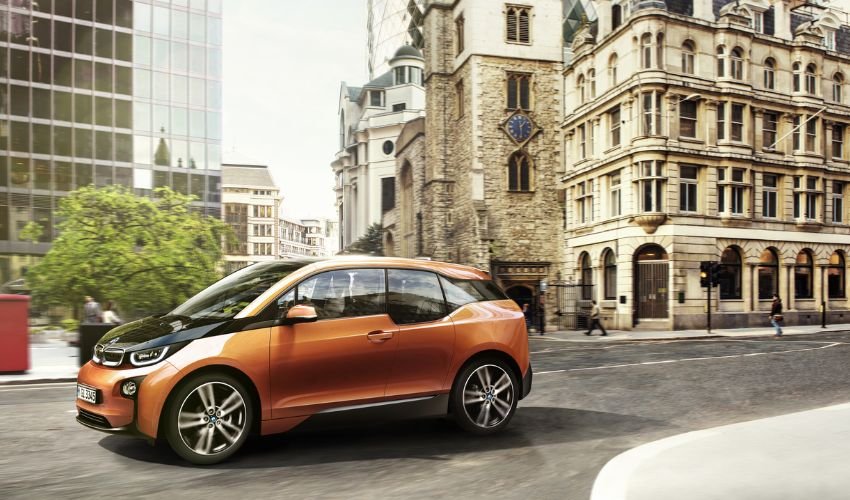
The i3 was BMW’s first purpose-built electric hatchback, powered by a 170-horsepower electric motor with an optional gas range extender. The combined electric range tops out around 153 miles according to EPA figures for range-extender models.
Its carbon-fibre body and low kerb weight give it sharper, quicker responses than most EVs its size, particularly in city driving. Used i3s start around $15,000, a steep drop from its $45,000 original price, and a sign of how fast early EV values have fallen.
BMW 2 Series Active Tourer (2014–present)
The 2 Series Active Tourer is BMW’s family-orientated hatchback, built on a front-wheel-drive platform shared with the MINI Clubman. Engine options range from a 1.5-litre three-cylinder up to a 2.0-litre four-cylinder, including a plug-in hybrid variant.
The dashboard’s 12.3-inch digital instrument cluster and configurable ambient lighting are aimed squarely at buyers who want BMW’s badge with genuine practicality. Pricing starts around $38,000.
BMW 4 Series Gran Coupe — F36 (2014–2020)
The 4 Series Gran Coupe blends coupe styling with the practicality of a fifth door, using a 2.0-litre turbo four or 3.0-litre inline-six. Buyers can choose rear-wheel drive or xDrive all-wheel drive.
Gesture control and a Harman Kardon audio system were notable firsts for this segment when the F36 launched. Pricing starts around $50,000 for well-optioned used examples.
BMW 2 Series Gran Coupe — F44 (2020–present)
The newest model on this list, the F44 Gran Coupe, runs on BMW’s front-wheel-drive UKL platform. Engine options span a 2.0-litre turbo four-cylinder up to the M235i’s 302-horsepower version, with a 0-60 mph time of 4.7 seconds.
Interior tech includes an 8.8-inch or 10.25-inch infotainment display depending on trim. Prices range from $36,000 to $45,000. If you’re cross-shopping against rival brands, our Audi vs BMW vs Mercedes comparison and BMW vs Lexus breakdown cover how BMW stacks up on reliability and long-term cost.
Frequently Asked Questions
Which BMW hatchback is the most reliable?
The 1 Series F20, particularly the earlier 118i and 120i variants, has a strong reliability record among BMW hatchbacks, largely due to its simpler four-cylinder engines and fewer electronic systems than newer models.
Are BMW Hatchbacks Expensive to Maintain?
Costs vary by generation. Older rear-wheel-drive models like the E87 1 Series are generally cheaper to service than newer turbocharged, all-wheel-drive models like the M135i xDrive, which carry more complex drivetrains.
Is the BMW i3 still a good used EV buy?
Yes, for city driving. Its short range by today’s standards limits highway use, but its low used price and strong low-speed responsiveness make it a practical, inexpensive way into EV ownership.
What’s the fastest BMW hatchback on this list?
The M135i xDrive (F40) is the quickest, reaching 60 mph in 4.6 seconds, edging out the previous-generation M140i by a tenth of a second despite losing rear-wheel drive.