The London black cab is as much a symbol of the city as Big Ben or the red double-decker bus. Yet the company building these instantly recognizable vehicles today answers to a boardroom in Hangzhou, China, not London. The story of how a Chinese conglomerate ended up owning a piece of British motoring heritage is one of financial collapse, opportunistic investment, and a bet on electric technology.
A British Icon Built On Shaky Ground
For decades, the black cab was produced by a company called London Taxis International, later folded into a larger business named Manganese Bronze Holdings. The cabs themselves, boxy, tall, and built for tight turning circles, were manufactured at a factory in Coventry, a city with deep roots in British car manufacturing.
Manganese Bronze wasn’t a massive automaker by global standards. It built a niche product for a niche market, essentially selling to London cab drivers and a handful of other cities. That narrow focus made the company vulnerable. When sales slowed or costs rose, there wasn’t a broad portfolio of other vehicles to fall back on.
Geely Enters The Picture
Zhejiang Geely Holding Group, the Chinese company that would later become globally known for owning Volvo, first got involved with Manganese Bronze back in 2006. Geely purchased a minority stake and began a joint venture to build black cabs in China for the domestic market there. At the time, it looked like a modest overseas partnership, nothing more than a Chinese company dipping its toes into a foreign brand.
That relationship deepened over the following years, but Manganese Bronze’s financial troubles didn’t go away. Quality control problems, including a costly recall over steering issues, drained the company’s resources. Sales in London were never enormous to begin with, and the company struggled to diversify or scale efficiently.
Bankruptcy Opens The Door
By 2012, Manganese Bronze was in serious trouble. The company entered administration, essentially the British equivalent of bankruptcy protection, after losses piled up and it could no longer service its debts. For a business tied so closely to a cultural icon, the collapse raised real questions about whether black cabs would keep rolling off the line at all.
Geely, which already owned a chunk of the company and understood its operations through the joint venture, stepped in to buy the remaining assets. In 2013, Geely completed a full acquisition, taking total control of the black cab business. It was a natural extension of a partnership that had already existed for years, rather than a cold takeover from an unfamiliar outsider.
Rebuilding As LEVC
Once Geely took the reins, the company was rebranded as the London Electric Vehicle Company, or LEVC. The name change signaled a clear shift in direction. Rather than simply continuing to build the same diesel-powered cabs, Geely invested heavily in developing an electric version suited for London’s increasingly strict emissions rules.
Geely didn’t just slap a new badge on the old factory either. The company funded a brand new manufacturing facility in Ansty, near Coventry, built specifically to produce electric and hybrid taxis at scale. This was a substantial financial commitment, reportedly hundreds of millions of pounds, aimed at keeping the black cab both relevant and compliant with modern environmental standards.
The Electric Black Cab
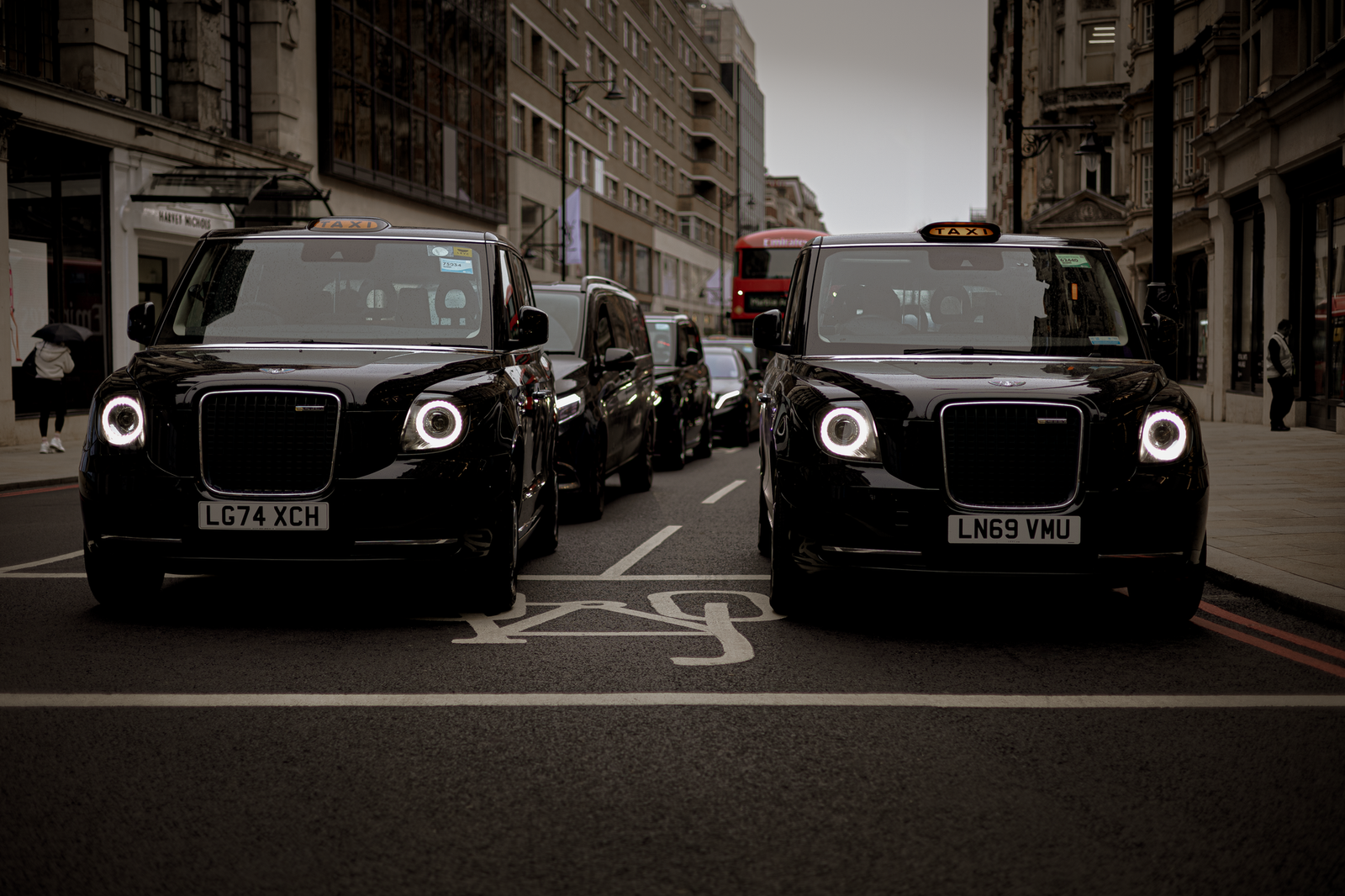
The result of that investment was the TX, an electric black cab with a small gasoline engine acting as a range extender. The TX retained the classic silhouette that Londoners instantly recognize, while swapping out the aging mechanicals for a modern electric drivetrain. It allowed drivers to operate mostly on electric power while still having a backup for longer trips, addressing range anxiety in a way that made sense for a vehicle that’s on the road constantly.
This wasn’t purely a charitable move on Geely’s part. London introduced stricter emissions requirements for taxis, effectively pushing older diesel cabs out of service over time. By developing an electric option early, Geely positioned LEVC to dominate a market it was already deeply entrenched in, rather than risk losing it to a new competitor.
Part Of A Bigger Global Strategy
Owning the maker of London’s black cabs might seem like an unusual addition to Geely’s portfolio, but it fits a broader pattern. Geely has spent years acquiring or investing in respected but financially strained automotive brands around the world, including Volvo, Lotus, Proton, and a stake in Aston Martin. In each case, Geely provided capital and manufacturing scale while allowing the brand’s identity and engineering heritage to remain largely intact.
The black cab deal followed that same playbook. Geely didn’t try to turn LEVC into a generic Chinese export brand. Instead, it kept production in Coventry, kept the classic cab design, and focused its investment on making the vehicle cleaner and more sustainable for the city it was built for.
Today, when a Londoner hails a black cab, there’s a good chance it rolled out of a Chinese owned factory in Coventry, built on a design lineage stretching back generations, powered by technology that didn’t exist when the company first ran into financial trouble.