MINI just posted its best half-year sales numbers in recent memory. BMW Group confirmed 149,538 MINI deliveries worldwide during the first half of 2026, an 11.7 percent jump over last year. That momentum builds on a strong first quarter, when the brand moved 68,503 units. For a company that many assumed would fade into a niche corner of BMW’s portfolio, MINI is doing the opposite. It’s growing, and BMW seems ready to invest in that growth rather than let the brand coast.
So what does that investment actually look like over the next ten years? Based on BMW’s current direction, product roadmap, and public statements from executives, a clearer picture is starting to form.
Electrification Stays the Priority
MINI was one of BMW’s earliest test beds for going all-electric, and that strategy hasn’t changed. The Cooper Electric and Aceman have already replaced older combustion models in key markets, and BMW has signaled that MINI will lean even harder into EVs as battery costs come down and charging infrastructure improves. Unlike BMW’s core lineup, which still balances combustion, hybrid, and electric powertrains, MINI has the flexibility to move faster toward a fully electric future because its cars are smaller, lighter, and less dependent on long-range touring capability.
That said, BMW hasn’t abandoned combustion engines for MINI entirely. The John Cooper Works line still needs a gas-powered version to satisfy enthusiasts who want a proper hot hatch experience, at least for now. Expect combustion MINIs to stick around longer than initially planned, especially in markets like the United States where EV adoption has been slower than Europe.
The China Partnership Keeps Costs Down
A big part of MINI’s electric strategy runs through Spotlight Automotive, the joint venture BMW formed with Great Wall Motors in China. This partnership handles production of electric MINI models and gives BMW access to cheaper battery technology and manufacturing scale that would be difficult to achieve alone. It’s a smart move financially, but it also ties MINI’s future closely to how trade relations between China and Western markets evolve. Tariff pressures and political friction could complicate this arrangement down the line, but for now it’s central to how BMW keeps MINI’s EVs competitively priced.
Design Stays Retro, But Gets Smarter
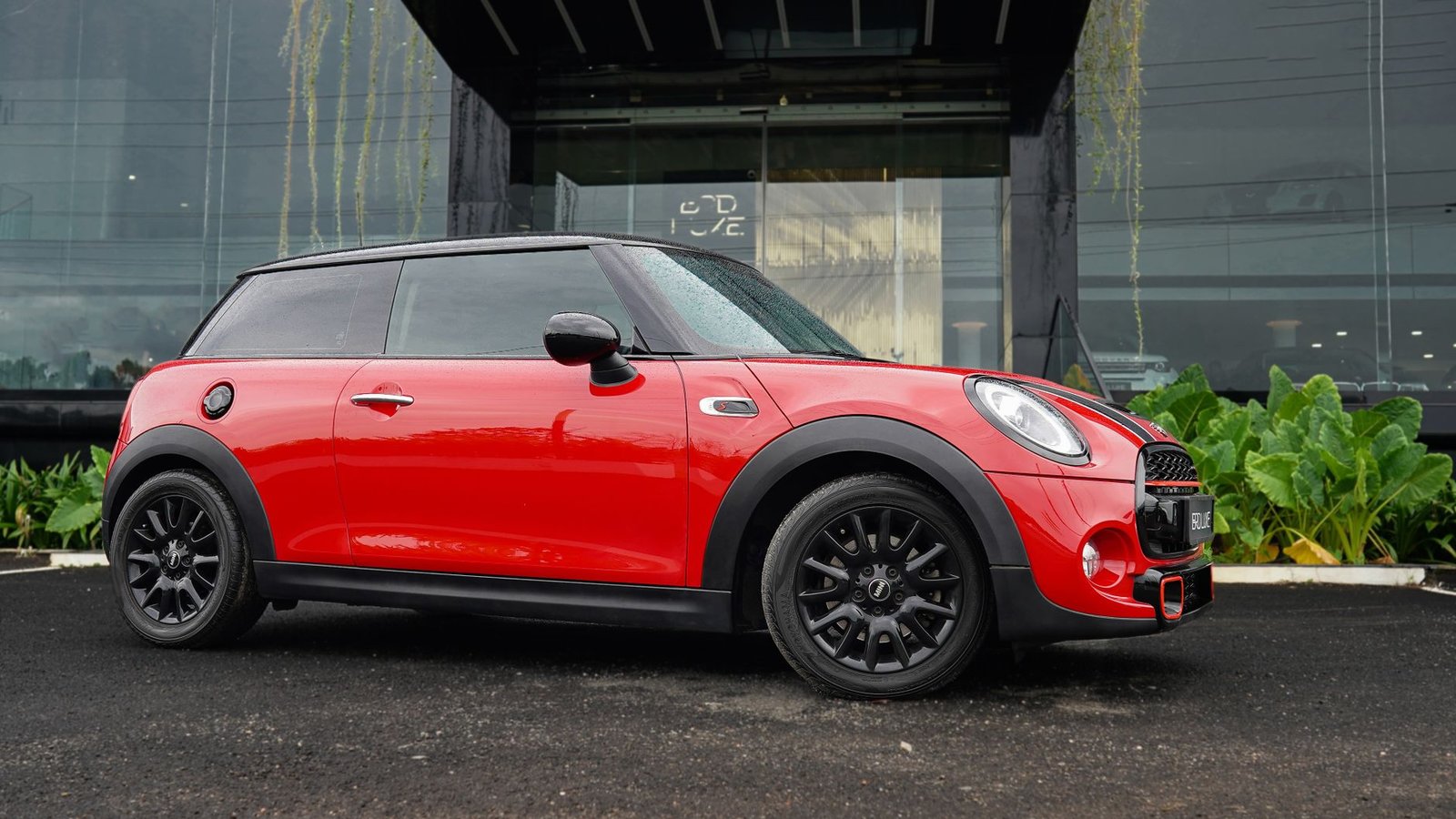
MINI’s biggest asset has always been its identity. The round headlights, the go-kart handling, the playful interior touches, these aren’t going anywhere. BMW knows that MINI buyers aren’t cross-shopping against generic compact cars; they’re buying into a design language and a personality. Expect that retro-futurist look to continue, but with more digital integration inside the cabin. The circular OLED display introduced in recent models is likely just the beginning. Future MINIs will probably lean further into voice control, personalized ambient lighting, and software-based customization that lets owners change themes, sounds, and even dashboard animations.
The Countryman Becomes More Important
The Countryman has quietly become MINI’s most important vehicle in terms of volume, especially in the U.S. where buyers want more space without stepping up to a full-size crossover. BMW has already expanded the Countryman with rugged, adventure-styled trims, hinting that MINI wants to compete more directly with small crossovers like the Subaru Crosstrek or Jeep Compass. Don’t be surprised if this segment grows further, potentially with a slightly larger Countryman variant or additional off-road-inspired trims that push MINI beyond its traditional hatchback identity.
A Brand Built Around Experience, Not Just Cars
BMW has talked openly about wanting MINI to feel less like a traditional automaker and more like a lifestyle brand. That means more emphasis on community events, limited-edition models, and collaborations with fashion, music, and design brands. MINI already has a loyal following that treats ownership almost like joining a club, and BMW wants to lean into that harder. Expect more special editions, more crossover marketing partnerships, and possibly subscription-based feature unlocks similar to what BMW has tested with heated seats and other software features.
Staying Profitable Without Losing Character
The biggest challenge for MINI over the next decade isn’t technology, it’s balance. BMW needs MINI to be profitable, which means sharing platforms, batteries, and software architecture with other brands in the group. But if MINI becomes too generic under the hood, it risks losing the fun-to-drive character that makes people choose it over cheaper, more practical alternatives. BMW’s engineers seem aware of this tension, which is why go-kart handling and quick steering response remain non-negotiable even as the cars get heavier with battery packs.
What This Means for Buyers
If current sales trends hold, MINI isn’t just surviving inside the BMW Group, it’s carving out a genuine growth path. Buyers can expect a lineup that stays electric-focused but doesn’t completely abandon combustion options in the near term, a stronger Countryman lineup for those wanting more space, and continued investment in the quirky design details that make MINI recognizable at a glance. The next decade won’t turn MINI into something unrecognizable. Instead, BMW appears focused on modernizing the formula without breaking what already works.