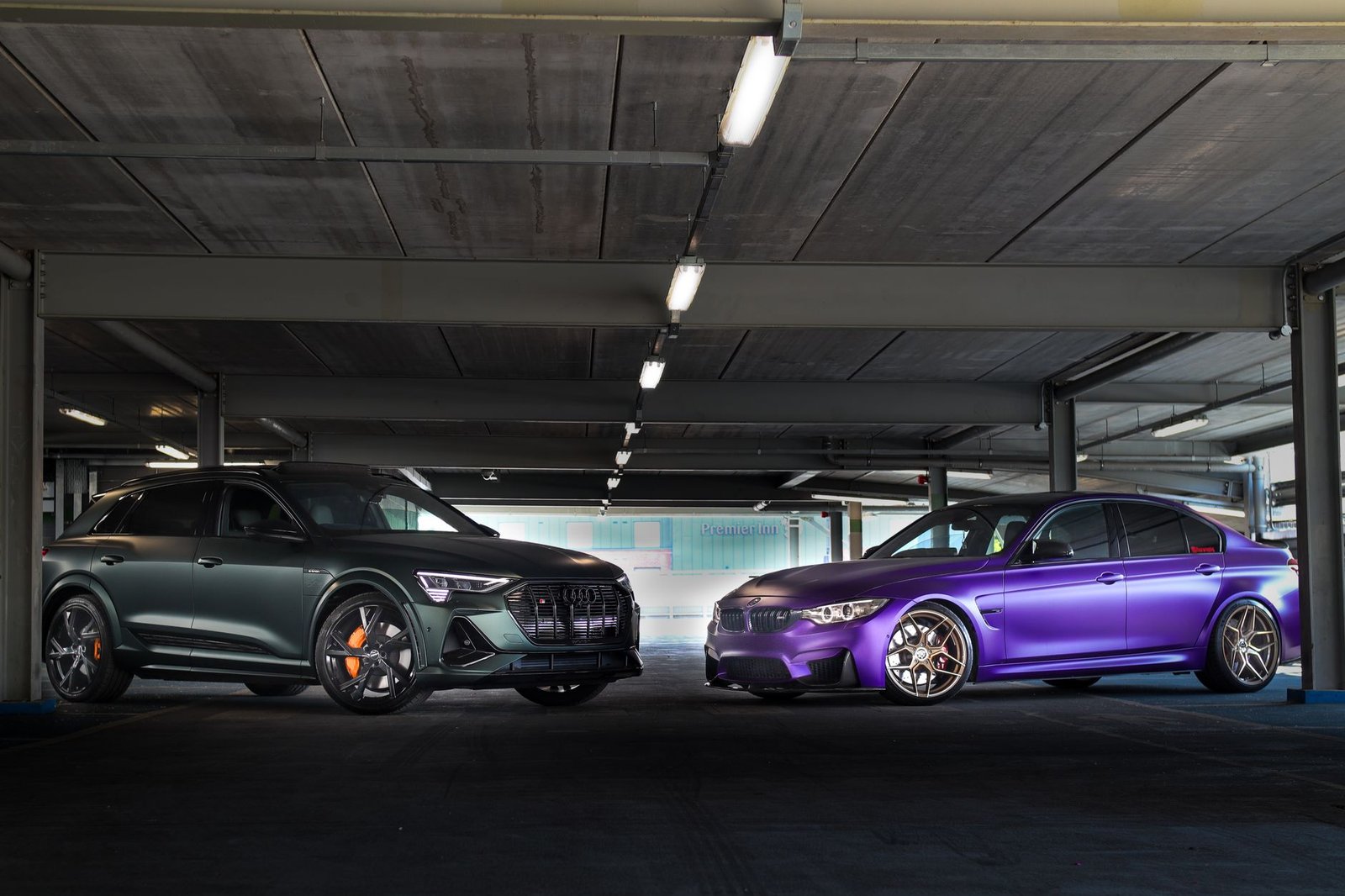
Audi’s plan to challenge the electric sedan segment just hit another speed bump. The automaker has quietly pushed back the launch of the A4 e-tron, its first mass-market electric sedan, to 2029. Production is now expected to begin no earlier than March that year, a delay that hands BMW a massive head start with its own electric i3 sedan.
The setback comes down to a decision by Audi CEO Gernot Döllner, who wants the brand’s combustion, hybrid, and electric lineups to share more engineering DNA before rolling out new models. Rather than launching the A4 e-tron on a standalone timeline, Audi is now working to align it more closely with its gasoline-powered counterpart, a move that adds development time but should, in theory, make the two versions more consistent in quality, tech, and cost efficiency.
Why Audi Keeps Pushing Back Its EV Plans
This isn’t the first time Audi has rewritten its electric roadmap. The brand originally planned to roll out its PPE-based EVs, including the Q6 e-tron and A5 Sportback e-tron, on a faster schedule. But since taking over, Döllner has repeatedly emphasized quality and integration over speed, arguing that rushing new architectures to market creates more problems than it solves.
That philosophy makes sense on paper, but it comes at a cost. Every delay gives rivals more time to establish themselves in a segment Audi is trying to enter. The electric midsize sedan market is only getting more competitive, with Tesla’s Model 3, the Hyundai Ioniq 6, and now BMW’s i3 all fighting for the same buyers Audi hopes to attract in 2029.
BMW’s i3 Will Already Be on Its Second Act
While Audi is still years away from delivering its electric A4 rival, BMW’s Neue Klasse i3 sedan is set to launch well ahead of it, likely in 2026. Built on BMW’s next-generation electric architecture, the i3 represents the German brand’s most important EV launch in over a decade, bringing new battery tech, a redesigned interior, and sharper efficiency figures compared to the outgoing i4.
By the time Audi’s A4 e-tron finally reaches showrooms in 2029, BMW’s i3 won’t just be established. It will likely already be due for a mid-cycle refresh, known internally as an LCI, or Life Cycle Impulse. BMW typically updates its models three to four years after launch with revised styling, updated tech, and minor mechanical tweaks. If the i3 launches in 2026, a 2029 or 2030 LCI timeline lines up perfectly with BMW’s usual product cadence.
That means Audi’s brand-new electric sedan could be going head-to-head with a BMW rival that’s already had time to work out early ownership issues, gather real-world feedback, and roll out a refreshed version with improvements based on that data.
What This Means for Buyers
For shoppers eyeing an electric sedan in the next few years, the timeline gap matters. BMW is positioning itself to dominate the segment early, giving the i3 time to build a reputation before Audi even shows up to compete. Audi, meanwhile, is betting that a more refined, better-integrated product will be worth the wait, even if it means ceding early market share.
There’s also a technology angle to consider. Audi’s PPE platform, co-developed with Porsche, has already proven itself with the Q6 e-tron and Porsche Macan Electric. Extending that platform to the A4 e-tron shouldn’t require major reinvention, but Döllner’s insistence on cross-lineup consistency suggests Audi wants software, battery management, and design language to feel unified across gas and electric models, not just tacked onto an EV platform separately.
Whether that strategy pays off depends on how much patience Audi’s customer base and dealers have. Three more years is a long time in the EV world, especially as battery costs drop and charging networks expand. By 2029, the electric sedan landscape could look completely different from what it is today.
The Bigger Picture
Audi’s delay is symptomatic of a broader shift happening across the German auto industry. Automakers that once rushed to electrify everything are now taking a more measured approach, prioritizing profitability and product cohesion over pure speed to market. BMW, on the other hand, has stuck to a more aggressive rollout schedule with its Neue Klasse push, betting that early presence in key segments will pay long-term dividends.
For now, the A4 e-tron remains a car to watch rather than one to shop for anytime soon. And with BMW’s i3 poised to already be a familiar face on the road by 2029, Audi will need more than just a delayed launch to make a strong first impression.