
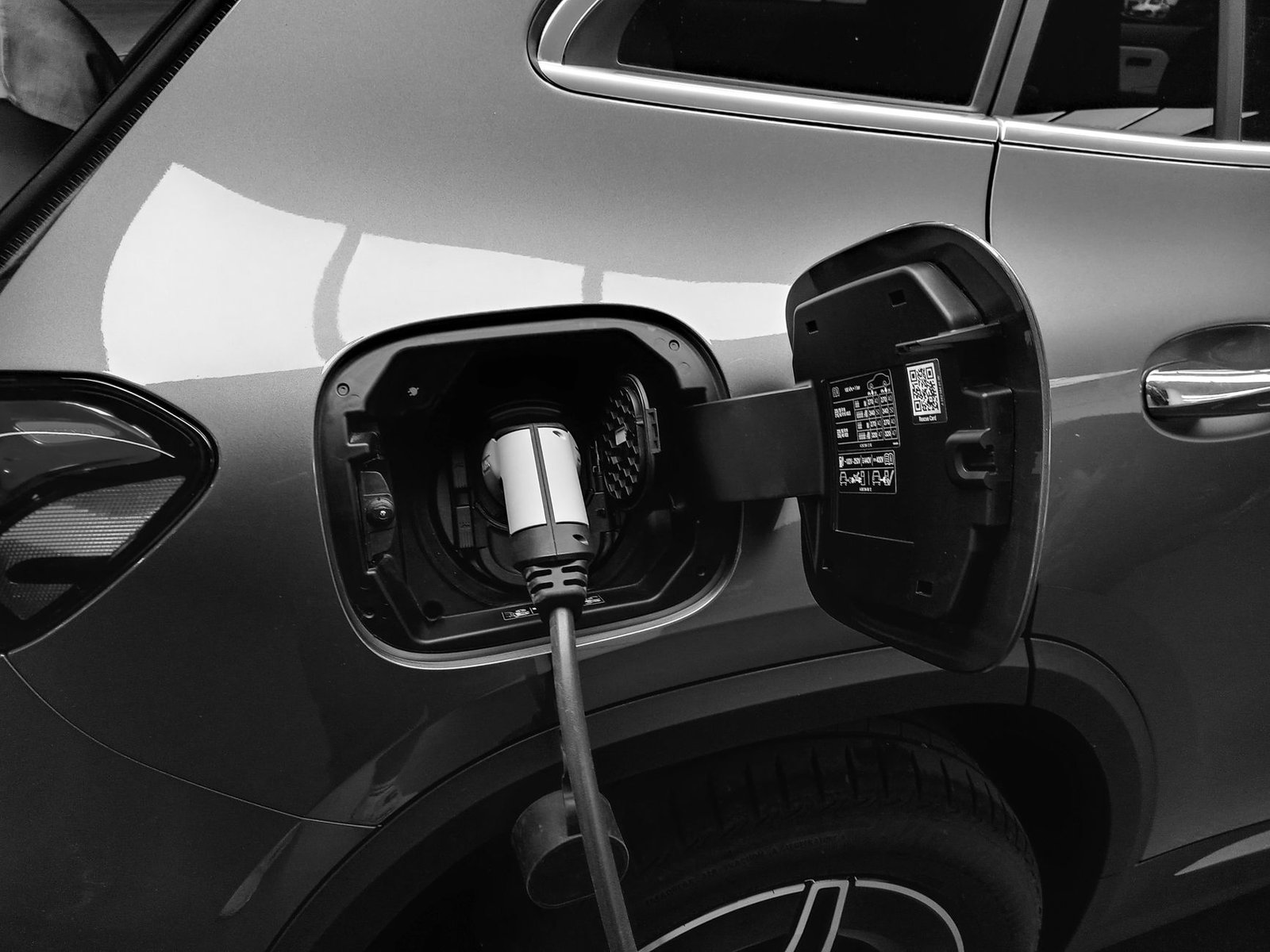
Navigating the Modern Automotive Landscape
The automotive world is undergoing its most radical transformation in over a century. A decade ago, buying a new vehicle meant deciding between a four-cylinder commuter, a V6 crossover, or a V8 truck. Today, walking into a dealership presents an overwhelming menu of propulsion systems: full battery electric vehicles (EVs), plug-in hybrids (PHEVs), traditional hybrid electric vehicles (HEVs), and refined internal combustion engine (ICE) cars. Choosing the right powertrain requires evaluating your daily driving habits, budget, charging infrastructure, and long-term ownership goals.
Gasoline Engines: The Reliable Benchmark
Internal combustion engines are far from dead. Modern gasoline engines are more efficient, clean, and technologically advanced than ever before. Turbocharging, direct injection, and mild-hybrid assistance have allowed smaller engines to produce impressive horsepower while maintaining reasonable fuel economy.
Why Choose Pure Gas?
The primary advantage of traditional gas vehicles remains convenience and lower upfront purchase prices. Refueling takes less than five minutes at virtually any intersection nationwide. Furthermore, initial purchase costs for gas vehicles generally undercut their hybrid and electric counterparts by thousands of dollars. For drivers living in apartments without charging access, or those who frequently travel off the beaten grid, a pure ICE vehicle remains a practical, zero-anxiety choice.
Hybrid Vehicles: The Best of Both Worlds
Hybrids have moved from niche eco-car status to mainstream dominance. By pairing a traditional gasoline engine with an electric motor and a small battery pack, hybrids recapture kinetic energy lost during braking and use it to power the vehicle at low speeds or assist during hard acceleration.
HEV vs. PHEV: Understanding the Difference
Standard hybrids (HEVs) do not require plugging in; the system manages energy automatically, boosting fuel economy up to 50 miles per gallon or higher in city driving. Plug-in hybrids (PHEVs), on the other hand, feature larger batteries capable of providing 20 to 50 miles of purely electric range before transitioning to normal hybrid mode. For commuters with short daily drives, a PHEV offers the daily benefits of an electric car without eliminating the peace of mind needed for spontaneous cross-country road trips.
Electric Vehicles: The Future Today
Battery electric vehicles operate entirely on electricity stored in high-capacity lithium-ion or lithium-iron-phosphate battery packs. With instant torque, whisper-quiet operation, and zero tailpipe emissions, EVs deliver an undeniably smooth and responsive driving dynamic that gas cars simply cannot replicate.
The True Cost of EV Ownership
While the initial sticker price of an EV can be higher, long-term operational costs are significantly lower. Electricity is generally cheaper per mile than gasoline, especially when charging at home during off-peak hours. Additionally, EVs eliminate costly routine maintenance items such as oil changes, spark plug replacements, timing belts, and exhaust repairs. However, potential buyers must consider local public charging networks and the upfront cost of installing a Level 2 home charger.
Which Powertrain Should You Buy?
Making the right decision comes down to honest self-assessment. If you have a garage, a predictable commute under 150 miles a day, and access to home charging, a full EV provides unmatched luxury, performance, and long-term savings. If you want maximum efficiency without changing your driving or refueling habits, a standard hybrid is the undisputed sweet spot. Finally, if lower upfront cost, towing capability, or remote driving flexibility is your top priority, a traditional gas-powered vehicle remains a dependable companion on the open road.