
For decades, the automotive enthusiast’s heart beat in sync with internal combustion. The rumble of a V8, the mechanical snarl of an inline-six, or the high-revving scream of a naturally aspirated engine defined what it meant to drive a true sports car. As the industry pivots aggressively toward electrification, purists have voiced a persistent concern: Can an electric vehicle truly capture the soul of a high-performance driver’s car? The answer is evolving rapidly, and it is far more exciting than skeptics initially feared.
Instant Torque and Unmatched Acceleration
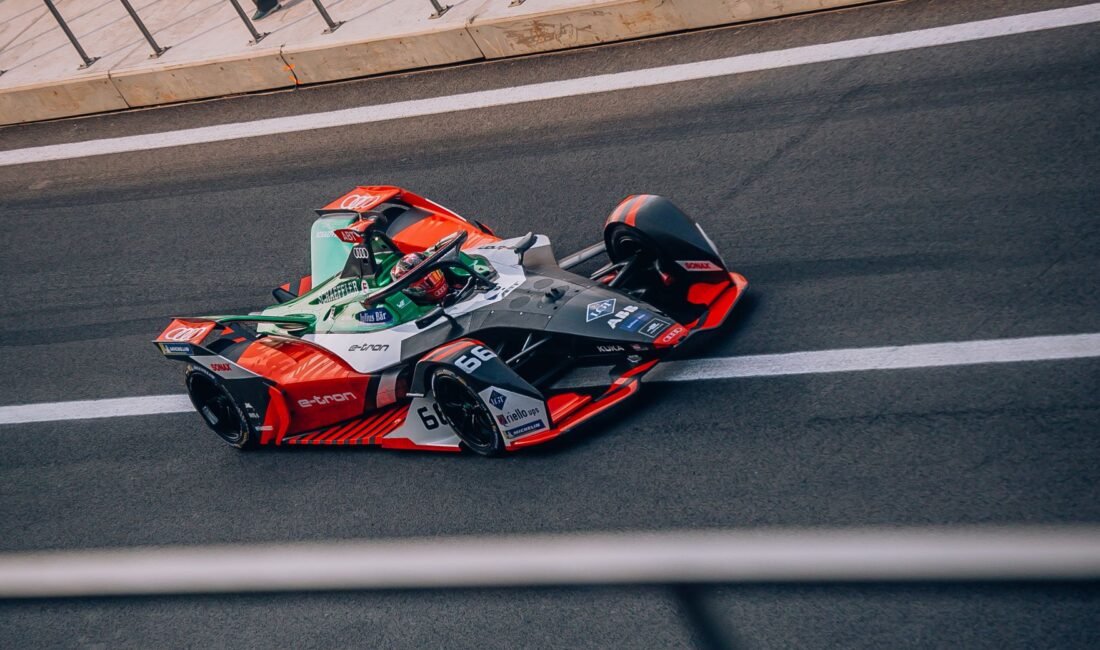
Electric powertrains possess inherent physical advantages that internal combustion engines simply cannot match. Chief among these is instantaneous torque delivery. Without the delay of throttle response, turbocharger spooling, or gear shifting, an electric sports car delivers relentless acceleration from a standstill. Zero-to-sixty times that were once reserved for multi-million-dollar hypercars are now achievable in production EVs.
Beyond straight-line speed, electric motors offer unprecedented control over power distribution. Dual and quad-motor setups allow for precise, instantaneous torque vectoring. By sending exact amounts of power or regenerative braking force to individual wheels in milliseconds, engineers can tune a car’s handling characteristics to eliminate understeer, sharpen turn-in, and provide cornering capabilities that defy conventional physics.
The Weight Problem and Chassis Dynamics
The primary hurdle for any performance EV remains mass. Heavy lithium-ion battery packs add significant weight, which is traditionally the sworn enemy of agile handling and braking performance. However, modern automotive platform design turns this potential handicap into a distinct structural asset.
By packaging the heavy battery pack low in the chassis floor—often referred to as a skateboard architecture—EVs achieve an exceptionally low center of gravity. This dramatically reduces body roll during aggressive cornering and enhances high-speed stability. Coupled with advanced adaptive damper systems, active rear-wheel steering, and lightweight carbon-composite materials, modern electric performance cars hide their curb weight with surprising grace on twisty backroads.
Synthetic Soundscapes and Tactile Feedback
Beyond raw physics, sports cars are fundamentally emotional machines. A great driving experience relies heavily on auditory and tactile feedback—elements that silent, single-speed electric vehicles initially lacked. Recognizing this gap, visionary automotive engineers are now tackling this sensory deficit head-on.
Innovative performance models are pioneering simulated multi-speed gearboxes, rev-limiters, and sophisticated engine sound synthesis. These systems mimic the tactile sensations of downshifting, engine braking, and tachometer bounces, re-engaging the driver in a familiar mechanical rhythm. Meanwhile, improvements in electric power steering calibration are bringing crucial road surface feedback back to the driver’s hands.
Preserving the Soul of the Sports Car
The ongoing transition to electric performance is not about erasing the past; it is about expanding the boundaries of speed and control. As solid-state battery technology matures over the coming decade, we will witness significantly lighter battery packs, faster charging cycles, and sustained track-day stamina.
For automotive enthusiasts, the future of the sports car is undeniably bright. While the acoustic soundtrack may change from burning gasoline to humming high-voltage electricity, the fundamental thrill of conquering a twisty canyon road remains as potent and captivating as ever.