
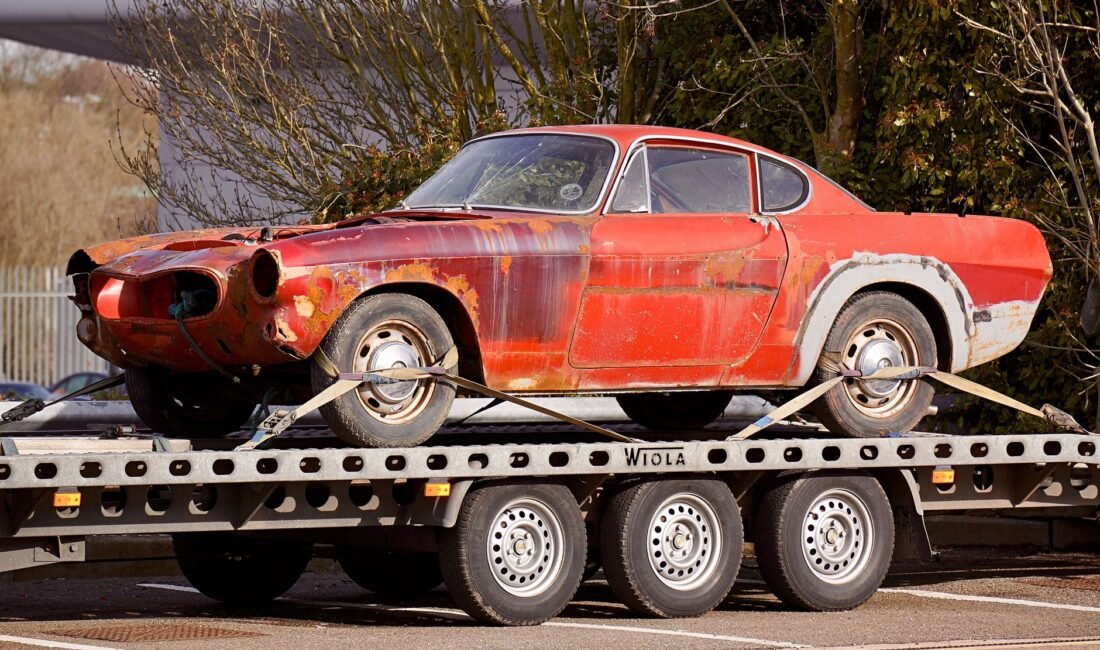
A classic car spends most of its life being protected. It’s garaged, covered, started on a schedule, and driven sparingly, which makes any owner nervous about the day it has to travel 300 miles on a transporter. Decades-old paint, perished rubber seals, and parts that haven’t been made since the 1970s don’t forgive careless handling. Getting a vintage vehicle from point A to point B requires a completely different approach than shipping a modern daily driver.
This article is based on original reporting and the official transport industry figures available at the time of publication.
Quick Reference: Classic Car Transport At a Glance
- Best Method: Enclosed carrier with hydraulic liftgate
- Average Cost Premium: 30%-50% more than open transport
- Ideal Prep Time: 1-2 weeks before pickup
- Insurance Minimum: Full agreed-value coverage matching the car’s appraised worth
- Key Documentation: Detailed photo inspection report signed by both parties
Why Classic Car Transport Is Different
Classic cars demand a transport method built around preservation, not just delivery speed. A 40-year-old vehicle doesn’t have crumple zones designed for highway debris, modern paint clear coats, or rubber seals rated for extreme temperature swings. Original lacquer paint can be damaged by road salt, bird droppings, or even prolonged UV exposure during a long open-air haul.
Mechanical components matter too. Carburetors, points-and-condenser ignition systems, and bias-ply tires behave differently than modern equivalents, and they don’t always tolerate being jostled around on a standard flatbed. A transport company unfamiliar with these quirks might load and secure the car the same way they’d handle a used sedan, which creates unnecessary risk.
The stakes are also financial. A well-preserved classic can be worth tens or hundreds of thousands of dollars, and a scratch, chip, or suspension issue from improper loading can tank its resale value instantly. This is why owners need to treat transport planning with the same seriousness they’d give a restoration project.
Enclosed vs Open Transport
Enclosed transport is the safer choice for any car with real collector value. It shields the vehicle from rain, road debris, UV rays, and the prying eyes of onlookers at truck stops. For cars with original paint, rare trim pieces, or recent restoration work, this extra protection is almost always worth the added cost.
Open transport is cheaper and widely available, but it exposes the car to the elements for the entire trip. Rock chips, weather damage, and dust accumulation are common complaints from owners who choose this option purely to save money.
| Factor | Enclosed Transport | Open Transport |
|---|---|---|
| Weather Protection | Full protection from rain, snow, UV | None, fully exposed |
| Road Debris Risk | Minimal | Higher, especially on highways |
| Average Cost | 30%-50% more expensive | Standard baseline pricing |
| Best For | Rare, high-value, or freshly restored cars | Everyday classics with lower sentimental or monetary value |
| Liftgate Availability | Common, especially for low-clearance cars | Less common, often requires ramps |
Preparing the Car Before Pickup
Proper preparation starts well before the transporter arrives. Owners should wash the car thoroughly so any pre-existing scratches, dents, or paint imperfections are clearly visible for the inspection report. A dirty car makes it nearly impossible to document damage accurately before loading.
Mechanically, the car should be in reliable running condition if it needs to be driven on and off the trailer under its own power. Check the battery, brakes, and tires beforehand. If the car isn’t running, make this clear to the carrier in advance, since non-running vehicles require winches and different loading equipment.
Fluid levels matter too. Keep the gas tank around a quarter full, which reduces weight without risking the car running out of fuel during loading. Fix any fluid leaks ahead of time, since drips can stain the trailer bed and create friction with the carrier.
Finally, remove loose items from the interior and trunk, disable alarms, and retract antennas or fold mirrors if applicable. Take detailed photos and videos from every angle, including close-ups of any existing chips, scratches, or wear, as a personal backup to the official inspection report.
Choosing the Right Transport Company
Not every auto transport company is equipped to handle a classic car properly. Owners should look specifically for carriers with experience in collector vehicle transport, not just general car shipping. Ask how many classic cars they’ve moved, what kind of equipment they use, and whether their drivers have experience with low-clearance or non-running vehicles.
Liftgate trailers are essential for cars with low ground clearance, since standard ramps can scrape bumpers or splitters. Soft tie-down straps, rather than chain hooks, are also preferable since they reduce the risk of damaging frame rails or suspension components not designed for modern tie-down points.
Reviews and references matter significantly here. A company with glowing reviews specifically mentioning classic or exotic car transport is a stronger signal than one with generic five-star ratings. Don’t hesitate to ask for proof of insurance and licensing, and verify it directly with the issuing agency if the shipment involves a high-value vehicle.
Insurance Considerations
Standard cargo insurance often isn’t enough for a classic car. Most transport companies carry basic liability coverage, but it’s typically based on the vehicle’s weight rather than its actual market value. This means a $150,000 classic could be covered as if it were worth a fraction of that amount in the event of an accident.
Owners should request agreed-value coverage that matches the car’s appraised worth, either through the transport company’s supplemental insurance or through their own classic car insurance policy, which often includes transport coverage as an add-on. It’s worth calling the insurer directly to confirm the policy covers the vehicle while in transit on someone else’s trailer.
Get everything in writing before the pickup date. A verbal assurance from a dispatcher means nothing if damage occurs and the claim gets disputed later.
Loading and Unloading Process
The loading process is where most damage actually happens, not during the highway portion of the trip. Low front splitters, long overhangs, and underbody components can scrape against ramps if the approach angle isn’t handled carefully. Experienced drivers know to use wood blocks or extended ramps for these situations.
Be present for both loading and unloading whenever possible. This allows the owner to supervise tie-down placement, confirm the car isn’t making unusual contact with the trailer bed, and immediately flag any new damage before signing off on delivery.
The bill of lading is the most important piece of paperwork in this entire process. This document should include a detailed condition report with photos, and the owner should carefully compare it against the car’s actual condition before signing. Any discrepancy should be noted on the spot, since claims filed after the fact are far harder to win.
Bottom Line
Transporting a classic car safely comes down to three things: choosing the right transport method, preparing the vehicle properly, and verifying real insurance coverage before it ever leaves the driveway. Enclosed transport with an experienced carrier costs more upfront, but it dramatically reduces the risk of damage to a vehicle that can’t simply be replaced with a trip to the dealership. A little extra diligence before pickup day protects decades of preservation in a matter of minutes.