The Rise of Japanese Performance Cars: From Affordable to Unattainable
Japanese performance cars have undergone a remarkable transformation over the past two decades. What once represented accessible, thrilling driving experiences have evolved into collector’s items commanding premium prices at auctions and dealerships worldwide. The surge in value reflects both the scarcity of these vehicles and their enduring cultural significance in automotive history.
The phenomenon began with increased collector interest and media attention celebrating Japan’s golden era of automotive engineering. Nostalgia, combined with limited production numbers and aging supply, has created a perfect storm for value appreciation. However, not all enthusiasts possess the capital required to own these automotive legends.
The Six Most Valuable Japanese Performance Cars
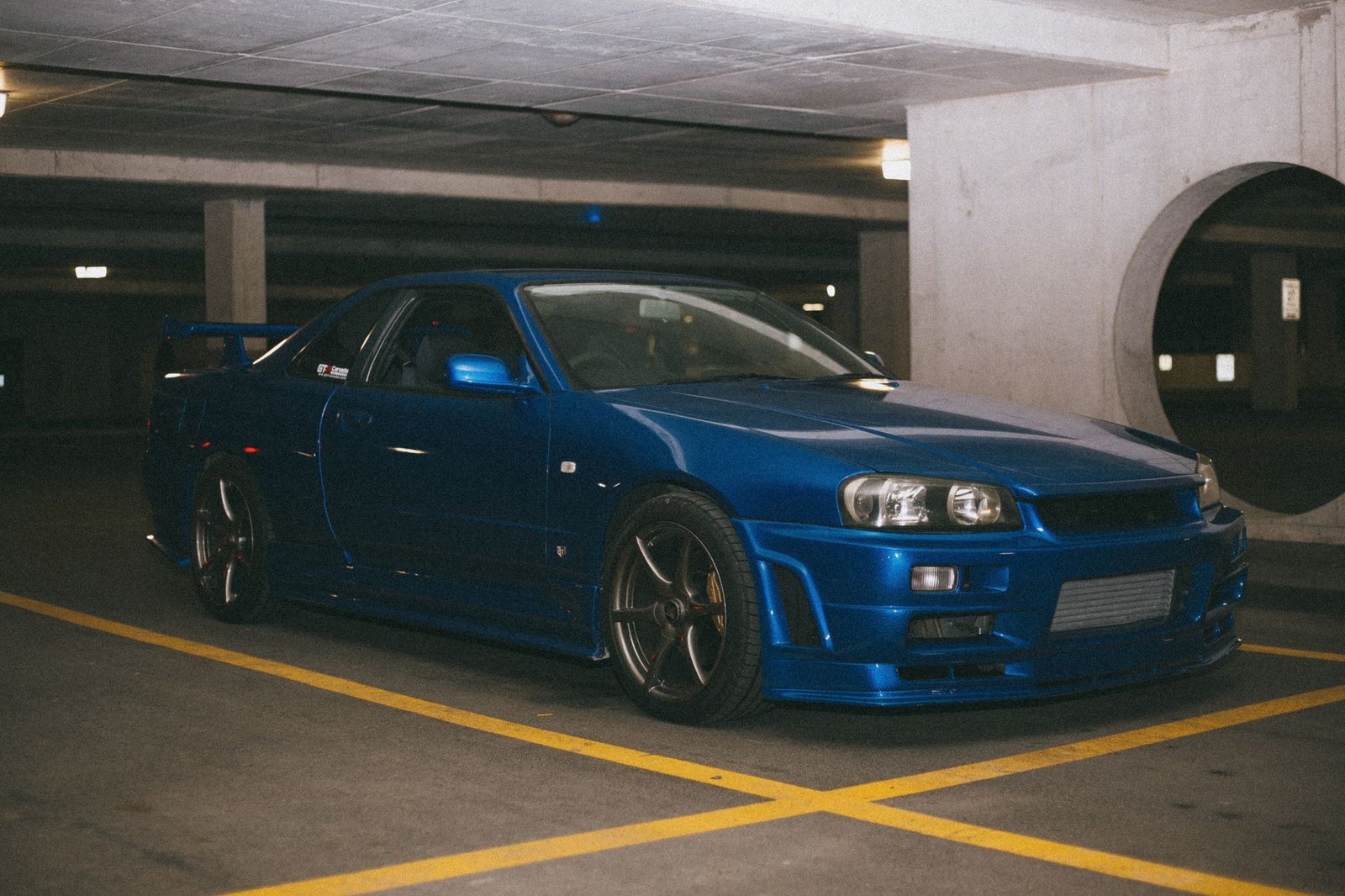
The most sought-after Japanese performance vehicles have experienced extraordinary appreciation. Early Nissan Skyline GT-R models, particularly the R34 generation, now command prices exceeding $100,000 in the collector market. Toyota’s 2000GT remains one of the most expensive Japanese cars ever produced, with original examples valued in the millions. The Honda NSX first generation continues climbing in value, especially low-mileage examples with complete service histories.
Mazda’s RX-7 FD generation has seen dramatic price increases, particularly in the drift and tuning communities. Mitsubishi Lancer Evolution models, especially rare variants, have become increasingly difficult to acquire affordably. The Subaru Impreza 22B STI, produced in limited numbers, represents another pinnacle of Japanese performance that now requires substantial investment.
Why These Cars Became Investment Pieces
Several factors contributed to the skyrocketing values. Import regulations, particularly the 25-year rule allowing older Japanese vehicles into the United States, sparked renewed interest. Cultural phenomena, including anime, video games, and movies, elevated these cars to legendary status among younger generations. Additionally, manufacturers discontinued many iconic models, creating artificial scarcity that naturally increased demand and prices.
Five Affordable Alternatives for Performance Enthusiasts
Budget-conscious enthusiasts needn’t despair. Several Japanese performance alternatives offer thrilling driving dynamics without devastating bank accounts. The Nissan 300ZX Z32 generation remains undervalued despite offering turbocharged performance and sophisticated engineering. Used Mazda RX-8 models provide rotary engine excitement at fraction of RX-7 prices, though fuel consumption remains a consideration.
The Toyota Celica GT-Four combines rally heritage with reasonable acquisition costs. Nissan’s 240SX platform offers endless customization potential and remains relatively affordable in the used market. Finally, the Subaru WRX, particularly earlier generations, delivers genuine performance and reliability without commanding collector-level premiums.
Making Smart Purchasing Decisions
Whether pursuing investment-grade vehicles or affordable alternatives, thorough research proves essential. Examine maintenance records, verify authenticity, and assess mechanical condition carefully. Consider long-term ownership costs, insurance premiums, and parts availability before committing to any purchase. The Japanese performance car market continues evolving, presenting opportunities for both collectors and enthusiasts to find vehicles matching their budgets and aspirations.