BMW i3 Touring: Another Wagon Left Behind in America
BMW has confirmed that the upcoming i3 Touring, the electric wagon variant of its popular i3 hatchback, will not be coming to the United States market. This decision, while disappointing for enthusiasts, reflects a broader trend in the American automotive landscape and BMW’s strategic market positioning.
Why Wagons Don’t Sell in America
The absence of the i3 Touring from US dealerships isn’t surprising when you examine the wagon segment’s performance in North America. Unlike Europe, where wagons remain a staple of the automotive market, American consumers have consistently shown minimal interest in the body style. Wagons represent a niche segment with limited volume potential, making them economically challenging for manufacturers to justify bringing to market.
The American preference for crossovers and SUVs has fundamentally altered the automotive landscape. Consumers who might have purchased a wagon a decade ago now opt for compact crossovers that offer similar practicality with the perceived advantages of higher ground clearance and a commanding driving position. This shift has rendered traditional wagons commercially unviable for most manufacturers, including premium brands like BMW.
BMW’s Strategic Market Decisions
BMW’s decision to exclude the i3 Touring from the US reflects the company’s focus on markets where wagons maintain stronger demand. Europe remains the primary target for this vehicle, where wagon sales continue to represent a meaningful portion of the overall market. By concentrating production and distribution on regions with proven wagon demand, BMW can optimize manufacturing efficiency and profitability.
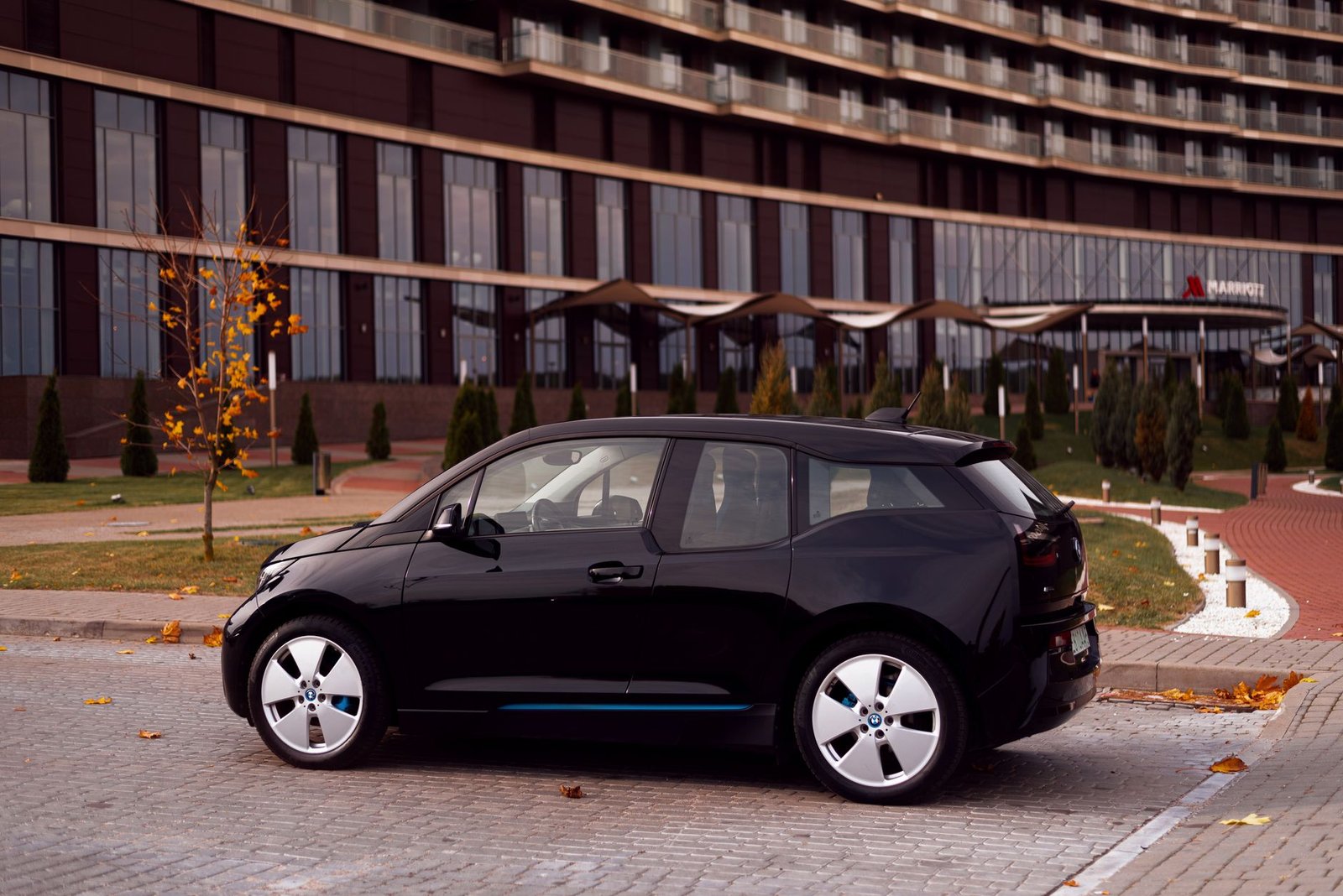
The i3 Touring builds on the success of the standard i3, which has established itself as a compelling option in the electric vehicle market. The wagon variant would have offered additional cargo space and versatility, appealing to families and those requiring greater hauling capacity. However, without sufficient American demand to justify the investment, BMW determined the risk wasn’t worthwhile.
What This Means for US Electric Vehicle Buyers
American consumers interested in electric wagons face limited options. While some manufacturers have explored electric wagon offerings, the segment remains underdeveloped compared to sedans and SUVs. This gap in the market reflects both consumer preferences and manufacturer risk assessments. Brands investing in electric vehicle development prioritize body styles with proven sales potential.
For those seeking an electric vehicle with practical cargo space, family-oriented EV alternatives typically come in the form of crossovers and three-row SUVs. These options command premium pricing but align with American buying patterns and manufacturer production capabilities.
The Broader Implications for the EV Market
BMW’s decision highlights how traditional market dynamics persist even as the automotive industry undergoes electrification. The shift to electric powertrains doesn’t automatically change consumer preferences regarding body style and form factor. Manufacturers must still contend with regional variations in demand, production costs, and competitive positioning.
The i3 Touring’s exclusion from America also underscores how different markets receive different product lineups based on localized demand patterns. European buyers will have access to a vehicle that American consumers won’t see, reflecting the reality that global automotive manufacturers must tailor their offerings to regional preferences and economic conditions.
For BMW enthusiasts and electric vehicle advocates disappointed by this news, the decision is ultimately a reflection of market realities. While the i3 Touring would have offered an attractive alternative to conventional electric SUVs and crossovers, the wagon segment’s weakness in America made the business case difficult to justify. As the EV market continues evolving, manufacturers will likely maintain similar regional differentiation strategies, ensuring that not all electric vehicles developed globally will reach every market.