
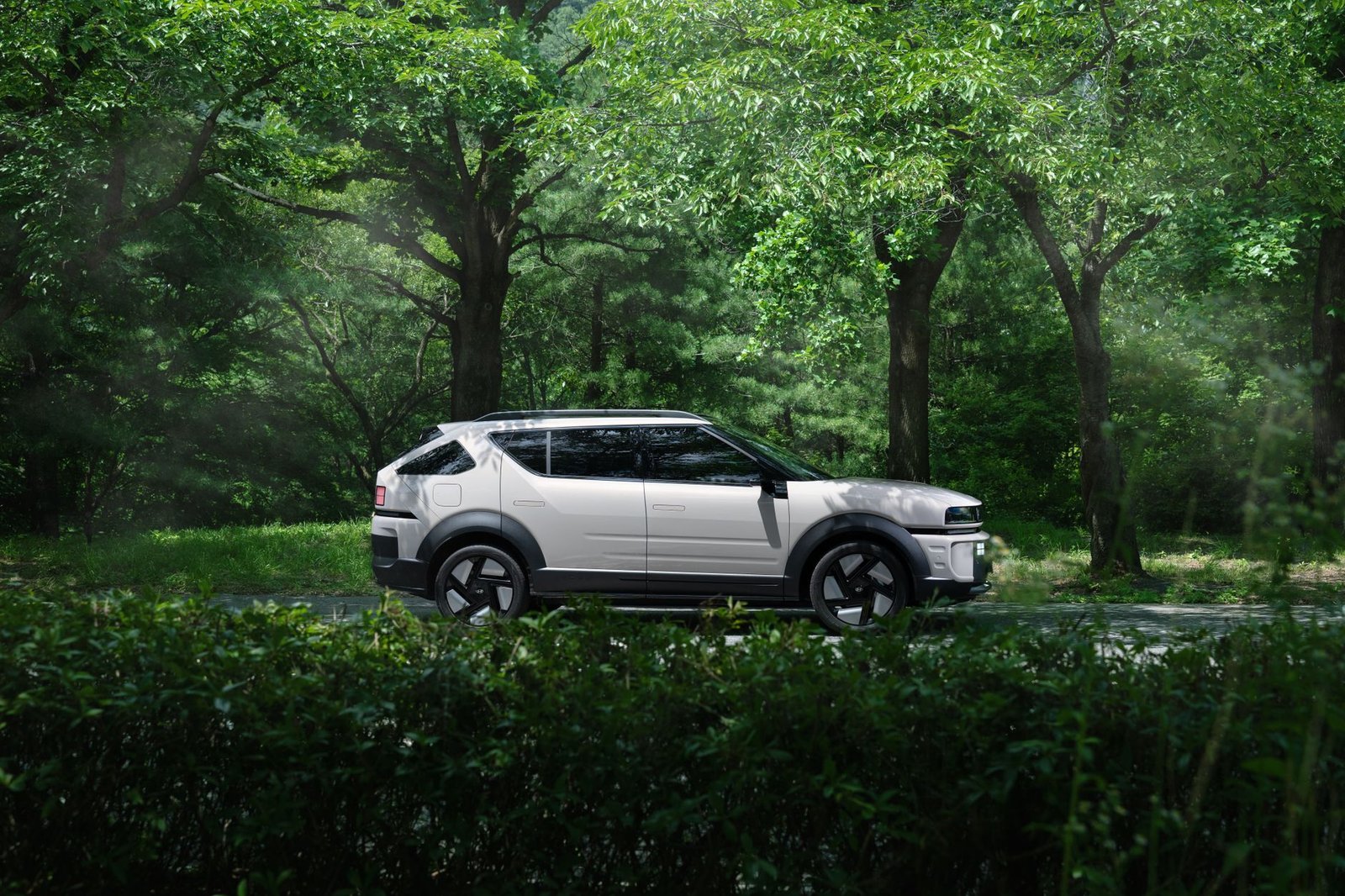
The automotive industry has become increasingly obsessed with category-blurring designs, and Polestar’s latest offering perfectly exemplifies this trend. The Polestar 4 SUV represents a fascinating departure from conventional vehicle classifications, occupying a space that’s neither fully sedan nor completely traditional SUV. It’s a damn shame that American consumers won’t have the opportunity to experience this striking vehicle firsthand.
A Design Philosophy That Defies Traditional Labels
When you first encounter the Polestar 4, your immediate instinct might be to call it a wagon. The elongated roofline, the generous cargo area, and the sloping rear end all evoke the classic wagon aesthetic that dominated European automotive culture for decades. However, labeling it as such would be oversimplifying what Polestar has accomplished with this design.
The Polestar 4 sits higher than a traditional wagon, with more commanding ground clearance and a more aggressive stance. The wheel arches are pronounced, the body has substantial flare, and the overall proportions suggest SUV DNA coursing through its design language. Yet it doesn’t quite commit to being a full-fledged SUV in the traditional sense—it lacks the boxy silhouette and upright driving position that characterize most modern sport utility vehicles.
The Coupe-SUV Phenomenon
What Polestar has created is essentially a coupe-SUV, a category that’s gained significant traction in recent years. luxury SUV designs have increasingly adopted sleeker profiles and more aerodynamic shapes to appeal to buyers who want the practicality of an SUV without sacrificing aesthetic appeal or efficiency. The Polestar 4 takes this concept and refines it with Swedish minimalist design principles.
The vehicle’s profile tells a story of compromise and innovation. The roofline extends far back, maximizing interior space and cargo capacity while maintaining the visual flow that makes the design so compelling. The rear end features a distinctive fastback treatment that’s more reminiscent of performance sedans than traditional SUVs, creating an unusual but undeniably attractive silhouette.
Why The Design Works
Despite its categorical ambiguity, the Polestar 4 is genuinely beautiful. The design manages to be both modern and timeless, aggressive yet refined. The clean lines, the minimalist approach to ornamentation, and the purposeful proportions all contribute to a vehicle that photographs exceptionally well and likely looks even better in person.
From a practical standpoint, this design philosophy offers real benefits. The streamlined shape improves aerodynamics, which helps with efficiency—particularly important for electric vehicle performance where every coefficient of drag matters. The extended cargo area provides genuine utility without the visual heaviness of traditional SUVs. The higher seating position offers the commanding view that SUV buyers crave, while the lower roofline provides a sense of sportiness and control.
The American Market Miss
The decision to exclude the Polestar 4 from the United States market represents a significant loss for American automotive enthusiasts. The US market has demonstrated growing appetite for vehicles that defy traditional categorization, as evidenced by the success of crossover vehicles and the increasing popularity of shooting brakes and wagon-like designs among luxury buyers.
Polestar’s parent company, Volvo, has traditionally found success in the American market with distinctive, design-forward vehicles. The Polestar 4 would have represented an excellent opportunity to capture buyers seeking something different from the conventional SUV offerings that dominate American showrooms. Its electric powertrain, combined with its striking design, would have positioned it as a compelling alternative to more conventional luxury electric vehicles.
Looking Forward
Whatever you choose to call the Polestar 4—wagon, SUV, coupe-SUV, or simply a beautifully executed vehicle that transcends traditional categories—it represents the kind of automotive innovation that should be celebrated. The fact that American buyers won’t have access to it is genuinely disappointing. The vehicle demonstrates that there’s still room for designers to challenge conventions and create something genuinely distinctive in a market often dominated by homogeneous offerings.
For those fortunate enough to live in markets where the Polestar 4 is available, it represents an opportunity to own something truly special. For American enthusiasts, it serves as a reminder of the diverse and interesting vehicles that exist beyond our borders—and perhaps a call for manufacturers to take more risks in the US market.