

Brake fluid is a critical component of your vehicle’s braking system, yet many drivers overlook its maintenance. Unlike engine oil or coolant, brake fluid operates in a closed system and often goes unnoticed until problems arise. The primary issue with brake fluid is its hygroscopic nature, meaning it naturally absorbs moisture from the air over time. This moisture absorption is the main reason why regular brake bleeding becomes necessary for vehicle safety and performance.
When brake fluid absorbs moisture, its boiling point decreases significantly. Fresh brake fluid typically has a boiling point around 400 degrees Fahrenheit, but as it absorbs water, this temperature can drop to 300 degrees or lower. During heavy braking or extended downhill driving, brake components generate substantial heat. If your brake fluid’s boiling point has dropped due to moisture content, the fluid can actually boil inside the brake lines, creating vapor bubbles that compress instead of transmitting hydraulic pressure to your wheels. This condition, known as brake fade, can result in a soft, spongy brake pedal and reduced stopping power, creating a serious safety hazard.
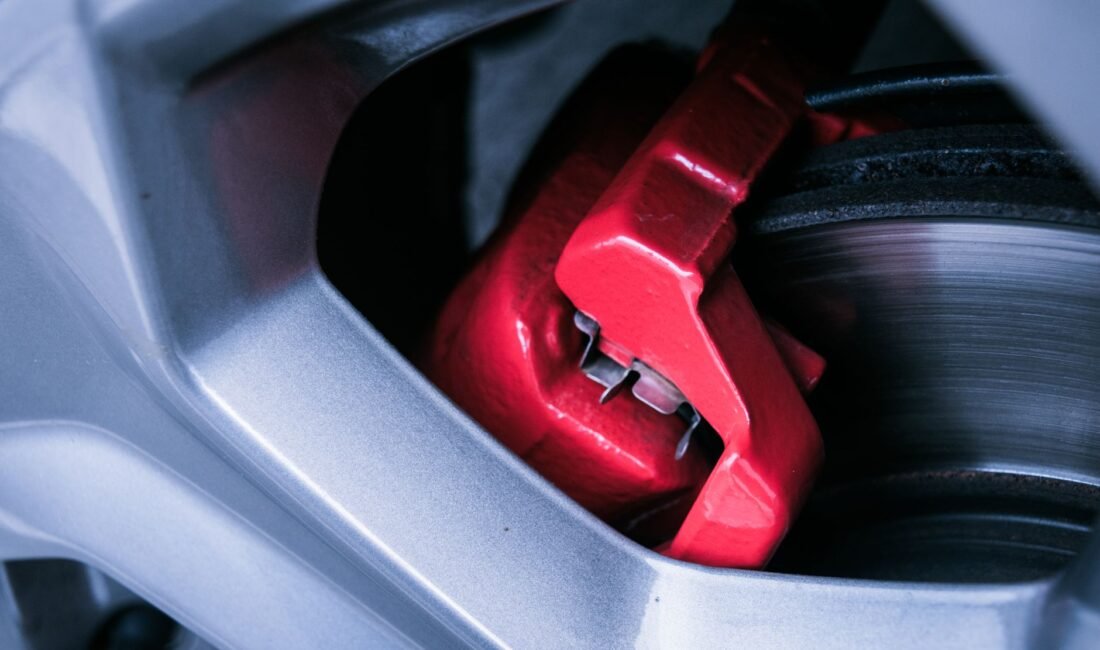
Beyond reduced boiling point, moisture in brake fluid also causes internal corrosion of brake components. The moisture can rust brake calipers, wheel cylinders, and the master cylinder from the inside, leading to leaks and component failure. This corrosion is often invisible until significant damage has already occurred, making preventive bleeding essential for extending the life of your entire braking system.
How Often Should You Bleed Your Brakes?
Most manufacturers recommend bleeding your brakes every 2 to 3 years as part of routine maintenance. However, several factors can influence how frequently your specific vehicle needs this service. If you live in a humid climate where moisture levels in the air are consistently high, you may need to bleed your brakes more frequently, possibly every 1.5 to 2 years. Conversely, if you live in an arid climate with low humidity, you might extend the interval to every 3 years or slightly longer.
Your driving habits also play a role in brake fluid degradation. If you frequently engage in aggressive driving, towing, or mountain driving with extended braking, your brake fluid experiences more heat stress and may degrade faster. High-performance drivers should consider more frequent brake bleeding intervals. Additionally, if you’ve recently had brake work done or your brake system has been opened for repairs, you should bleed your brakes to remove any air that entered the system during service.
Some vehicles with advanced brake systems, such as those equipped with anti-lock braking systems (ABS), may require specialized bleeding procedures and could benefit from more frequent fluid changes. Consulting your vehicle’s owner’s manual provides the manufacturer’s specific recommendations for your model, which should always be your primary reference.
Signs Your Brakes Need Bleeding
Beyond following a maintenance schedule, certain warning signs indicate your brakes need immediate attention. A soft or spongy brake pedal that feels like it’s sinking toward the floor is the most common indicator of air in the brake lines or degraded fluid. If you notice your brake pedal requires more pressure than usual to achieve normal stopping power, this suggests brake fluid issues. A brake warning light on your dashboard, particularly if accompanied by fluid loss, warrants immediate inspection.
If your brake fluid appears dark brown or black instead of its normal clear amber color, this indicates significant moisture absorption and oxidation. You can check your brake fluid color by looking at the fluid reservoir under your hood, though a professional inspection is always recommended for accurate assessment.
How Long Does Brake Bleeding Take?
The time required to bleed brakes depends on whether you’re doing it yourself or having a professional handle it. A professional technician can typically complete a full brake bleeding on most vehicles in 1 to 2 hours. This includes bleeding all four wheels, flushing old fluid, and filling the system with fresh fluid. Some vehicles with complex ABS systems may require additional time, potentially extending the job to 2 to 3 hours.
If you’re performing a DIY brake bleeding, expect to spend 2 to 4 hours, especially if you’re doing it for the first time. The process requires patience, proper tools like a brake bleeder kit, and a second person to help operate the brake pedal while you work at the wheels. Having the right equipment and following your vehicle’s specific bleeding procedure carefully will help you complete the job efficiently.
The Brake Bleeding Process
Professional brake bleeding typically involves using specialized equipment like a pressure bleeder or vacuum bleeder, which removes old fluid and air more efficiently than manual methods. The technician will start at the wheel farthest from the master cylinder and work toward the closest wheel, bleeding each caliper or wheel cylinder systematically. Fresh brake fluid is introduced into the system while old, contaminated fluid is expelled.
For those interested in learning more about brake maintenance, understanding your vehicle’s braking components is essential. You might also benefit from reading about regular vehicle maintenance schedules to keep your entire braking system in optimal condition. Additionally, if you’re considering performance upgrades, exploring brake system upgrades can help you understand how quality components and proper maintenance work together.
Cost Considerations
Professional brake bleeding typically costs between 100 and 200 dollars, depending on your location and vehicle type. This is a worthwhile investment compared to the cost of replacing corroded brake components or dealing with brake failure. If you choose to do it yourself, you’ll need to purchase brake fluid, typically costing 10 to 30 dollars per quart, and possibly a brake bleeder kit if you don’t already have one.
Regular brake bleeding is one of the most important preventive maintenance tasks you can perform on your vehicle. By staying on top of this service, you protect your safety, extend the life of your brake components, and maintain the reliability of your vehicle’s most critical safety system. Whether you choose professional service or tackle it yourself, prioritizing brake fluid maintenance should be a non-negotiable part of your vehicle care routine.