
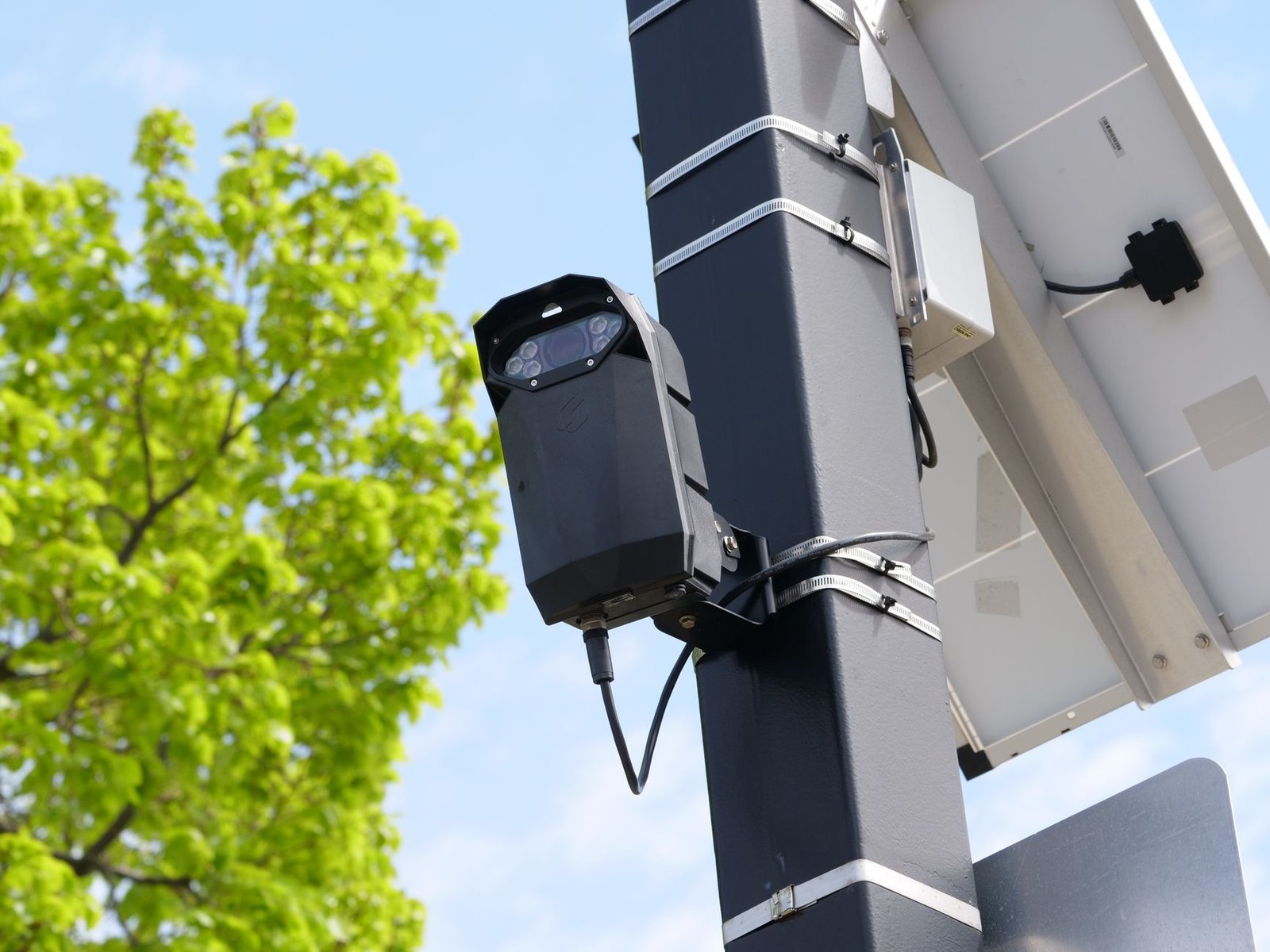
Dallas Implements AI Camera System on Garbage Trucks
Dallas has taken a controversial step by installing artificial intelligence-powered cameras on its garbage collection trucks. These cameras photograph residential properties as the trucks make their daily routes throughout the city. The system automatically scans homes and surrounding areas for potential code violations, creating a comprehensive database of property conditions across Dallas.
The initiative represents an expansion of municipal surveillance technology into everyday city services. Rather than requiring separate city inspectors to visit properties, the AI cameras work passively during routine garbage collection. This approach allows the city to monitor a much larger area with fewer resources dedicated to code enforcement.
How the AI Camera System Works
The cameras mounted on garbage trucks use machine learning algorithms to identify potential violations. The system analyzes images for issues such as overgrown vegetation, unmaintained properties, illegally parked vehicles, and other conditions that may violate city ordinances. Once flagged by the AI, properties can be prioritized for official inspection by city code enforcement officers.
According to city officials, the technology improves efficiency in code enforcement operations. Instead of inspectors driving around randomly or responding only to complaints, they can focus on properties the AI system has already identified as problematic. This targeted approach theoretically allows the city to address violations more quickly and consistently.
Privacy Concerns and Public Backlash
The program has generated significant concern among Dallas residents and privacy advocates. Critics argue that the system captures images of private residential properties without explicit consent. Homeowners question whether their properties should be photographed and analyzed by government surveillance systems simply because they receive trash collection services.
Privacy advocates point out that the cameras could capture more than just code violations. Images may include family members in yards, vehicles in driveways, and other personal information residents expect to remain private. The passive nature of the surveillance means homeowners have no opportunity to opt out or refuse participation.
Questions have also been raised about data storage and security. How long are the images retained? Who has access to the database? Could the images be used for purposes beyond code enforcement? These questions remain largely unanswered, adding to public concern about the program’s scope.
Municipal Code Enforcement Challenges
Dallas, like many growing cities, faces challenges in maintaining consistent code enforcement across all neighborhoods. Traditional methods rely on citizen complaints or scheduled inspections, which can leave violations unaddressed for extended periods. The AI camera system represents an attempt to solve this resource problem through technology.
However, the solution raises ethical questions about the appropriate balance between efficiency and privacy rights. While the city may improve code compliance rates, residents must weigh this benefit against the intrusion of constant surveillance in their neighborhoods.
Legal and Regulatory Questions
The legality of such surveillance systems remains unclear in many jurisdictions. Dallas may operate in a legal gray area where no specific ordinance prohibits cameras on municipal vehicles, but no explicit authorization exists either. Legal experts suggest this type of program may eventually face court challenges regarding Fourth Amendment protections against unreasonable searches.
Some legal analysts argue that photographing private residential properties without consent could constitute an unreasonable search, particularly when the primary purpose is surveillance rather than direct service delivery. Others counter that properties visible from public streets may not have reasonable privacy expectations.
What This Means for Other Cities
Dallas’s AI camera program could serve as a template or cautionary tale for other municipalities considering similar technology. As cities increasingly turn to surveillance solutions for municipal services, the precedent set by Dallas will likely influence how other communities approach code enforcement and property monitoring.
The program demonstrates how government agencies can integrate advanced technology into existing services, but it also highlights the tension between technological capability and personal privacy rights. As surveillance technology becomes cheaper and more sophisticated, cities will face growing pressure to deploy it, while residents will increasingly question whether such monitoring is necessary or appropriate.
Moving Forward
The success or failure of Dallas’s AI camera initiative will likely depend on public response and potential legal challenges. If residents and privacy advocates successfully challenge the program, it could set important precedents for limiting government surveillance. Alternatively, if the program proceeds without significant opposition, other cities may rapidly adopt similar systems.
The situation underscores the need for clear policies and public dialogue about surveillance technology in municipal services. Before implementing such programs, cities should consider transparency requirements, data protection standards, and explicit community input on whether the efficiency gains justify the privacy trade-offs involved.