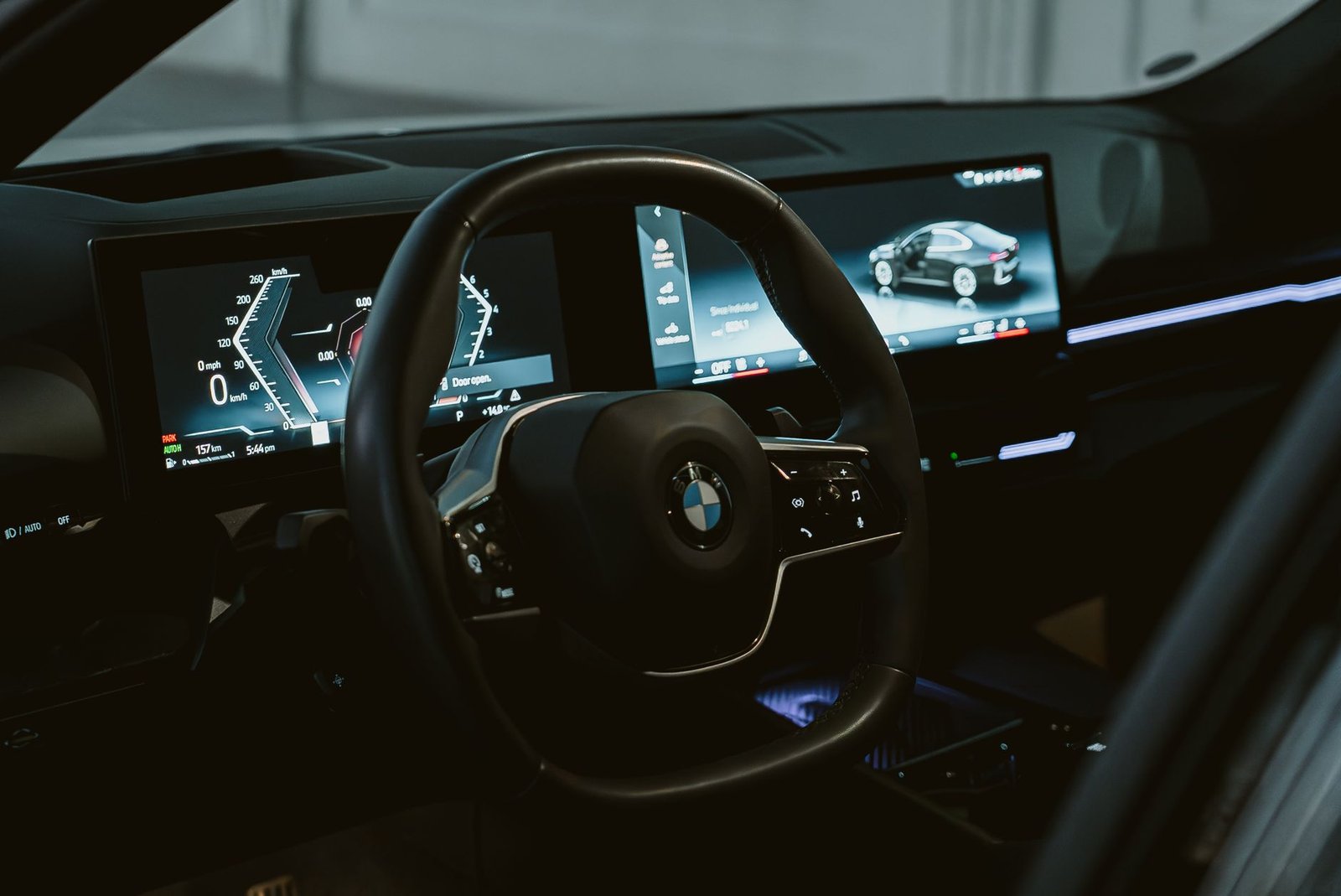
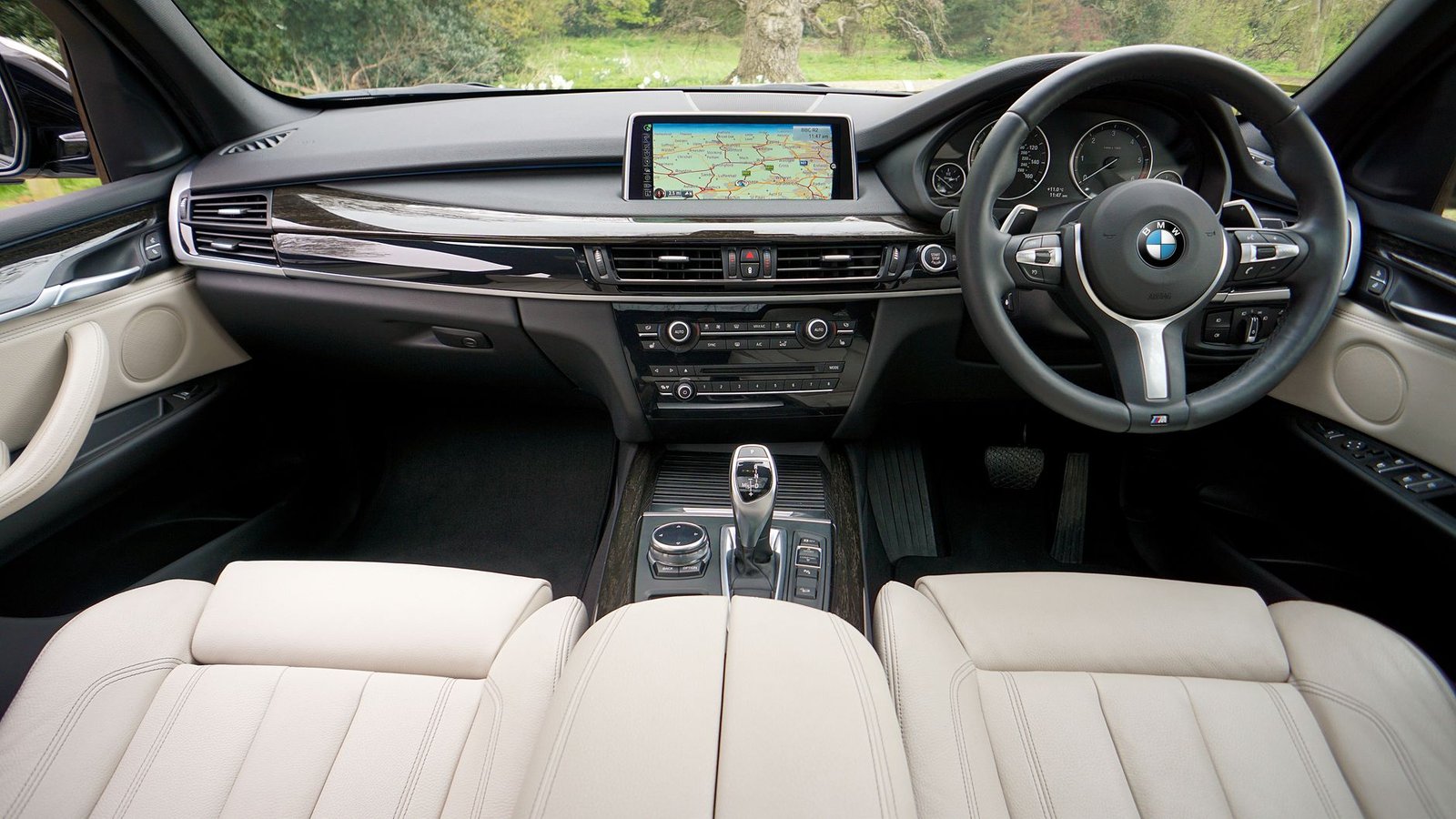
BMW is turning its navigation screen into something that looks less like a map and more like a scene from a racing game. The German automaker’s latest update to BMW Maps swaps flat, cartoonish graphics for a hyper-detailed 3D world that renders buildings, terrain, and even lighting conditions in near-photorealistic quality. It is a shift that signals where in-car technology is headed, and it puts BMW ahead of most rivals still using basic 2D or lightly textured 3D maps.
Why BMW Is Rebuilding Its Maps From Scratch
Modern buyers expect their car’s infotainment system to feel as polished as their smartphone or gaming console. BMW has clearly taken that expectation seriously. The new Maps experience uses advanced rendering techniques typically found in video games, including dynamic shadows, accurate building shapes, and smooth transitions when zooming or rotating the view. Instead of generic block shapes representing cities, drivers will see recognizable skylines, landmarks, and street-level detail that actually matches the real world.
This level of detail is not just for show. Sharper visuals make it easier to judge distances, spot upcoming turns, and understand complex intersections at a glance. A driver navigating a multi-level highway interchange, for example, will see the actual ramps and overpasses rendered in 3D rather than a simplified diagram, reducing confusion and last-second lane changes.
Powered by Serious Graphics Hardware
Pulling off this kind of visual fidelity requires more than clever software. BMW has been investing heavily in the processing power behind its infotainment systems, and the new Maps feature benefits from that push. The system leans on powerful onboard chips capable of rendering complex 3D environments in real time without lag, similar to what you would expect from a mid-range gaming PC rather than a typical car computer.
This hardware upgrade is part of a broader trend across the auto industry, where companies are treating infotainment systems less like accessories and more like core products. BMW’s approach mirrors what companies like Mercedes-Benz and Rivian have done with their own advanced displays, but the gaming-inspired visual style sets BMW’s version apart.
A Smarter, More Immersive Driving Experience
Beyond looks, the new Maps system is designed to feel more intuitive. Real-time traffic, weather overlays, and points of interest are woven directly into the 3D environment instead of appearing as separate icons pasted onto a flat surface. Drivers can expect smoother animations when the system recalculates routes, along with a more natural sense of depth and scale when navigating unfamiliar areas.
BMW has also hinted that this new mapping technology will tie into its broader vision for the cockpit experience, including the upcoming Panoramic Vision display featured in the Neue Klasse lineup. That system stretches information across the entire width of the windshield, and having richly detailed, game-like maps integrated into that space could make navigation feel far more immersive than anything currently on the market.
How This Compares to Traditional Car Navigation
For years, in-car navigation systems lagged behind smartphone apps like Google Maps and Waze, both in speed and visual quality. BMW’s new system appears to be a direct response to that gap, aiming to match or exceed what drivers are used to seeing on their phones. The difference is that BMW can tailor the experience specifically to the car, using data like steering angle, speed, and even suspension feedback to adjust how the map behaves in real time.
This means the map is not just a passive display. It can react to how the car is actually being driven, offering a level of responsiveness that a phone-based app simply cannot replicate. Whether that translates into a genuinely safer driving experience or is mostly a visual flex remains to be seen, but the ambition behind the project is clear.
What This Means for Future BMW Models
This new Maps system is expected to roll out alongside BMW’s next generation of vehicles, particularly those built on the Neue Klasse platform. As BMW continues to lean into software-defined vehicles, features like this highlight how much of the driving experience is shifting from mechanical engineering to digital design.
It also raises the bar for competitors. If BMW can deliver console-quality graphics inside a car’s dashboard without sacrificing performance or reliability, other automakers will likely feel pressure to catch up. For now, BMW appears to be positioning itself as the brand willing to blur the line between driving a car and playing a game, at least when it comes to figuring out where you are going.