
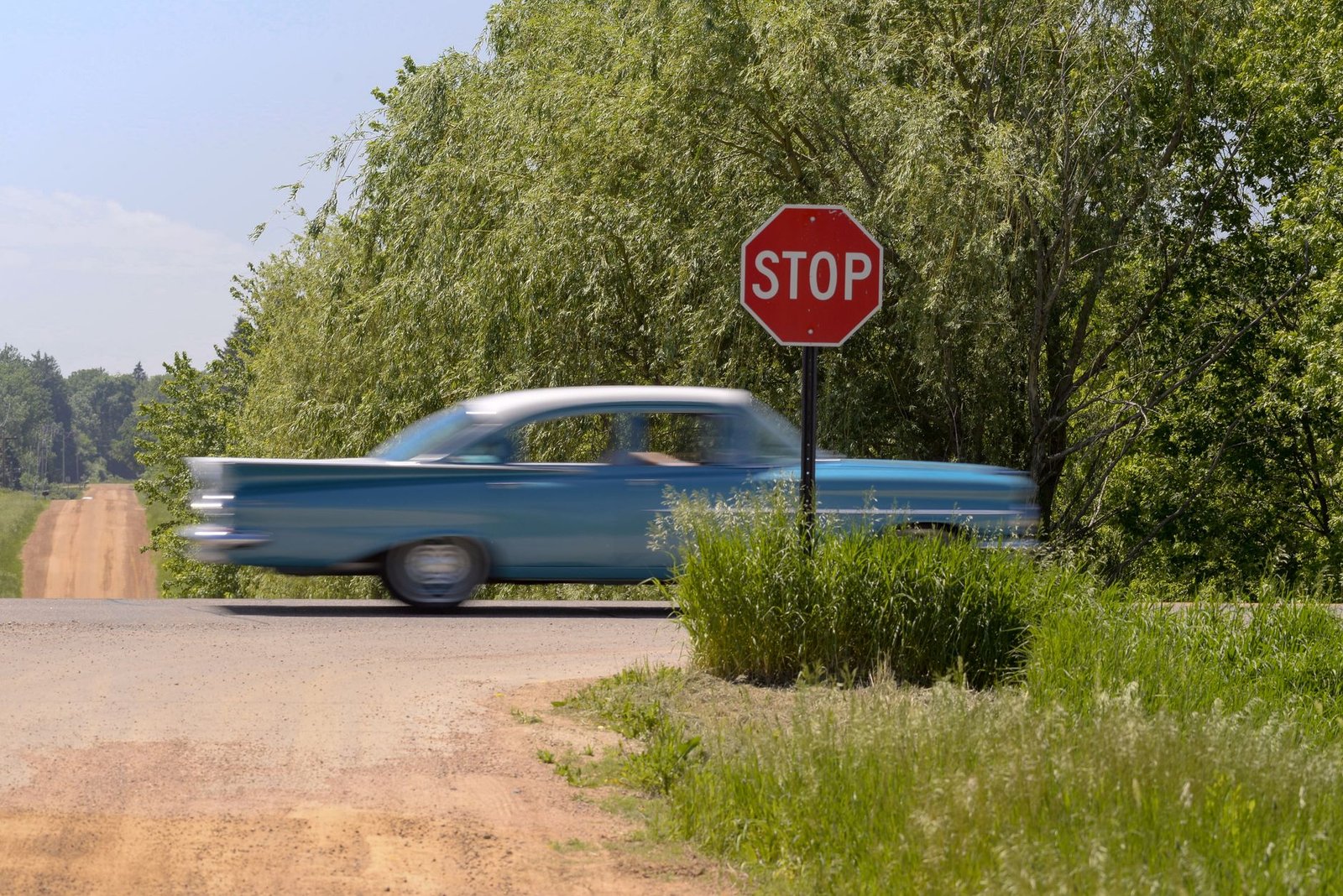
California just handed classic car owners a long-awaited win. Governor Gavin Newsom has signed SB 712, better known as Leno’s Law, into effect. The bill loosens the state’s strict smog check requirements for older vehicles, but it comes with a few strings attached that every enthusiast should understand before celebrating too hard.
Named after car collector and television host Jay Leno, who publicly backed the legislation, the law updates California’s outdated approach to emissions testing for vintage vehicles. For decades, the cutoff for smog exemption sat frozen at 1975. Any car built after that year, no matter how old it eventually became, still had to pass a smog check to stay registered. That meant a pristine 1985 Mercedes or a well-kept 1990 pickup truck had to meet the same testing standards as a daily-driven commuter car.
Why the Old Rule Didn’t Work Anymore
The 1975 cutoff made sense when it was written, but it never adjusted for time. As decades passed, more and more genuinely collectible cars fell outside the exemption window, forcing owners of low-mileage classics to either keep paying for smog inspections or watch their cars fail due to age-related wear rather than actual pollution output.
Leno has spoken about this issue for years, arguing that cars driven a few hundred miles annually for shows or weekend cruises shouldn’t be treated the same as vehicles used for daily transportation. His argument centers on real-world impact. A classic car that logs minimal mileage contributes very little to overall emissions, regardless of its factory-era technology.
What Leno’s Law Actually Changes
Instead of locking the exemption to a fixed year, SB 712 introduces a rolling 35-year rule. That means any vehicle 35 years or older automatically qualifies for smog exemption, and that window moves forward every year. A car built in 1990 will hit exempt status in 2025, and the same logic will apply to future model years as they age.
However, the exemption isn’t unconditional. To qualify, the vehicle must be registered and insured as a collector car, and owners are capped at a limited number of miles driven annually, generally around 8,500 miles. This keeps the exemption focused on genuine collector vehicles rather than older cars still used for regular commuting.
The distinction matters. Lawmakers wanted to avoid opening a loophole where high-mileage daily drivers could dodge smog checks simply because they crossed the 35-year threshold. By tying the exemption to collector insurance and mileage limits, the law keeps the benefit targeted at cars that are actually being preserved rather than used hard.
Who Benefits Most
Owners of vehicles from the late 1980s and early 1990s stand to gain immediately, since many of these cars are just now aging into classic status. Think early Miatas, clean Fox-body Mustangs, and boxy Japanese sedans that have quietly become collector favorites. These vehicles previously sat in an awkward middle ground, too old to be practical daily drivers but too new to dodge smog testing.
Collectors who restore and maintain vehicles as investments or passion projects will also see real savings. Smog testing costs add up over time, especially for owners who need specialized inspections for older engine configurations. Removing that requirement, provided the mileage and insurance conditions are met, simplifies ownership significantly.
What Owners Still Need to Do
Leno’s Law doesn’t eliminate registration requirements or insurance obligations. Owners still need to carry proper collector car insurance, which typically includes agreed value coverage and usage restrictions. They’ll also need to keep accurate mileage records, since exceeding the annual cap could jeopardize the exemption.
It’s worth noting that this law applies specifically to California registered vehicles. Owners who move classic cars across state lines or plan to sell them out of state should check how other states handle emissions exemptions, since rules vary widely across the country.
A Win for Preservation
For California’s classic car community, this law represents a shift toward common-sense regulation. Instead of punishing owners for a vehicle’s age alone, the state now factors in actual usage patterns. That approach better reflects how most collector cars are actually driven, sparingly, carefully, and usually with real pride of ownership.
Jay Leno’s involvement gave the bill visibility it might not have otherwise received, but the real impact lands squarely with everyday collectors across the state. With the rolling 35-year exemption now in place, more classic cars will qualify for relief each year, easing the burden on owners who’ve kept these vehicles running and roadworthy for decades.