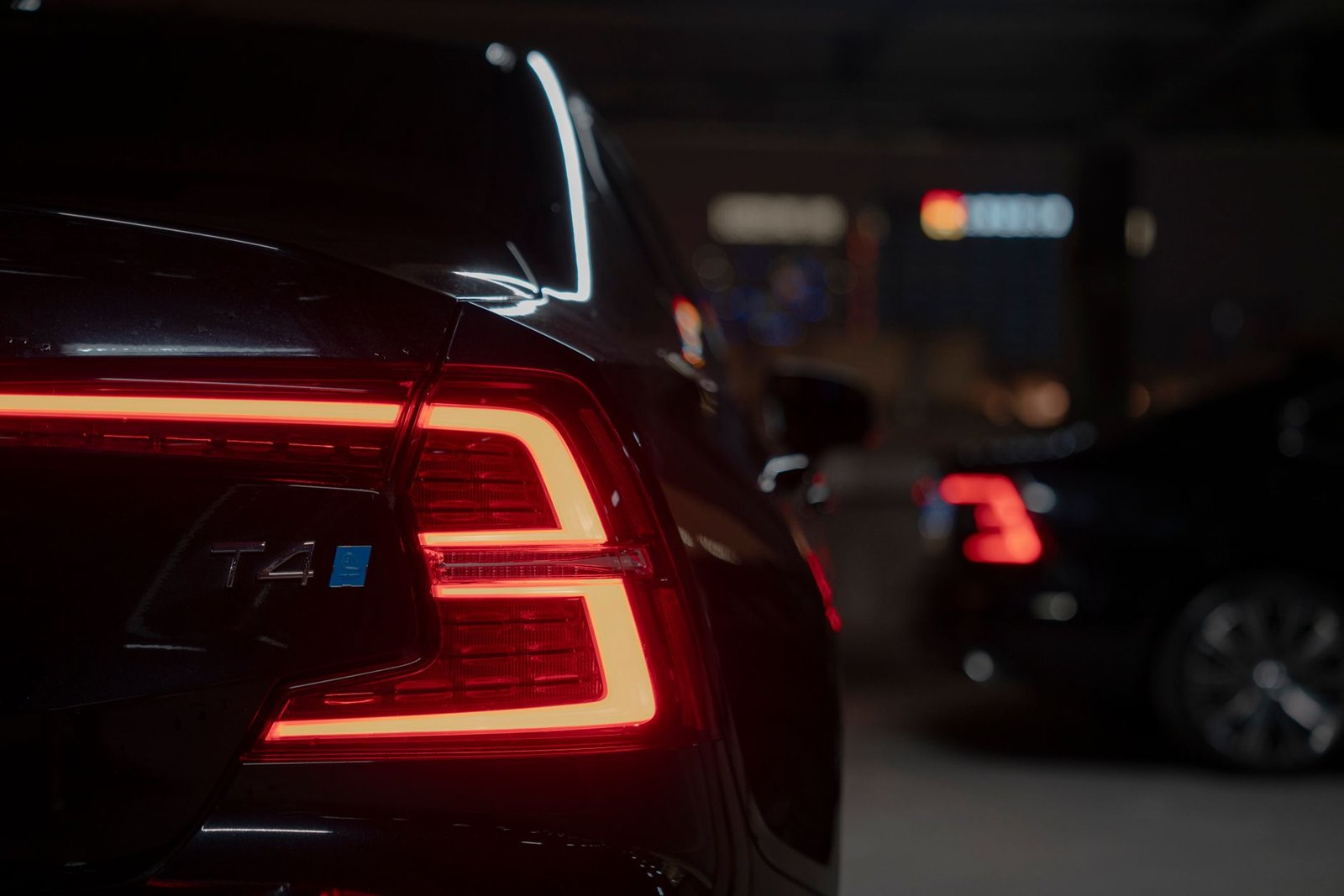
Plug-in hybrids have always been a compromise. You get a gas engine for peace of mind and an electric motor for short trips, but that electric-only range rarely stretches past 30 or 40 miles. Volvo just changed that equation. The automaker’s redesigned 2028 XC60 and XC90 SUVs are now rated for more than 70 miles of pure electric driving, a number that puts them closer to entry-level EVs than traditional hybrids.
What Makes These PHEVs Different
Most plug-in hybrids on sale today squeeze by with small battery packs, usually somewhere between 10 and 18 kWh. That’s enough for a short commute, but drivers still end up leaning on the gas engine more often than they’d like. Volvo took a different approach with the next-generation XC60 and XC90 by fitting them with significantly larger battery packs, allowing the electric motor to handle the vast majority of daily driving without the combustion engine ever kicking in.
This isn’t a minor bump either. Going from the industry-standard 30-to-40-mile range to over 70 miles essentially doubles what these vehicles can do on electricity alone. For context, that’s enough range to cover most Americans’ daily round-trip commute multiple times over before the gas engine needs to wake up at all.
Why This Matters for Buyers
The biggest complaint about plug-in hybrids has always been that they don’t go far enough on electric power to justify the extra cost and complexity over a regular hybrid. Owners who don’t charge diligently often end up hauling around a heavy battery pack while still burning gas most of the time, negating the benefit entirely.
Volvo’s new range figures flip that logic. With 70-plus miles of electric range, drivers can realistically run these SUVs as electric vehicles for nearly all local driving, only relying on the gasoline engine for longer road trips. That means fewer trips to the gas station, lower fuel costs, and a genuine reduction in emissions for anyone who plugs in regularly at home or work.
It also makes the case for PHEVs stronger for buyers who aren’t ready to commit to a full EV but still want the environmental and cost benefits of driving electric most of the time. Range anxiety, charging infrastructure gaps, and cold-weather concerns all become less relevant when you have a gas engine as backup.
How Volvo Pulled This Off
Reaching this kind of electric range required a full rethink of the platform underpinning the XC60 and XC90. Volvo built these two SUVs on an updated architecture designed from the ground up to accommodate a much larger battery pack without sacrificing too much cargo space or interior room. The company has also been steadily improving its electric motor efficiency and battery chemistry across its lineup, and that groundwork is clearly paying off here.
The result is a battery pack that’s considerably larger than what you’d find in a typical PHEV crossover, but still smaller than what a dedicated EV would need for a similar range. That’s the sweet spot Volvo appears to be targeting: enough electric capability for most daily use, paired with a combustion engine that removes any range anxiety for longer journeys.
Charging and Everyday Use
A bigger battery pack usually means longer charging times, but Volvo has equipped these models with faster onboard charging hardware to help offset that. Owners with a home Level 2 charger should be able to fully replenish the battery overnight without much hassle, keeping that 70-plus mile range ready to go every morning.
For drivers who primarily use their SUV for commuting, school runs, and errands, this setup could mean going weeks at a time without visiting a gas station. The combustion engine essentially becomes a backup system reserved for road trips, towing, or those rare days when charging wasn’t possible.
Setting a New Benchmark
Volvo isn’t the first automaker to experiment with larger batteries in plug-in hybrids, but crossing the 70-mile threshold in production models is a significant leap for the segment. It shows that PHEV technology still has room to grow, even as automakers increasingly shift their attention toward full battery-electric lineups.
This move also puts pressure on competitors. If Volvo can offer this kind of electric range in midsize and three-row SUVs without pricing them out of reach, other automakers will likely need to follow suit or risk their plug-in hybrid offerings looking outdated by comparison.
For now, the 2028 XC60 and XC90 stand as proof that plug-in hybrids don’t have to be a half-measure. With enough battery capacity, they can deliver most of the benefits of an EV while keeping the flexibility of a gas engine for whenever it’s needed. That combination might be exactly what convinces more buyers to make the switch away from pure gasoline vehicles, without asking them to give up the safety net of a fuel tank just yet.