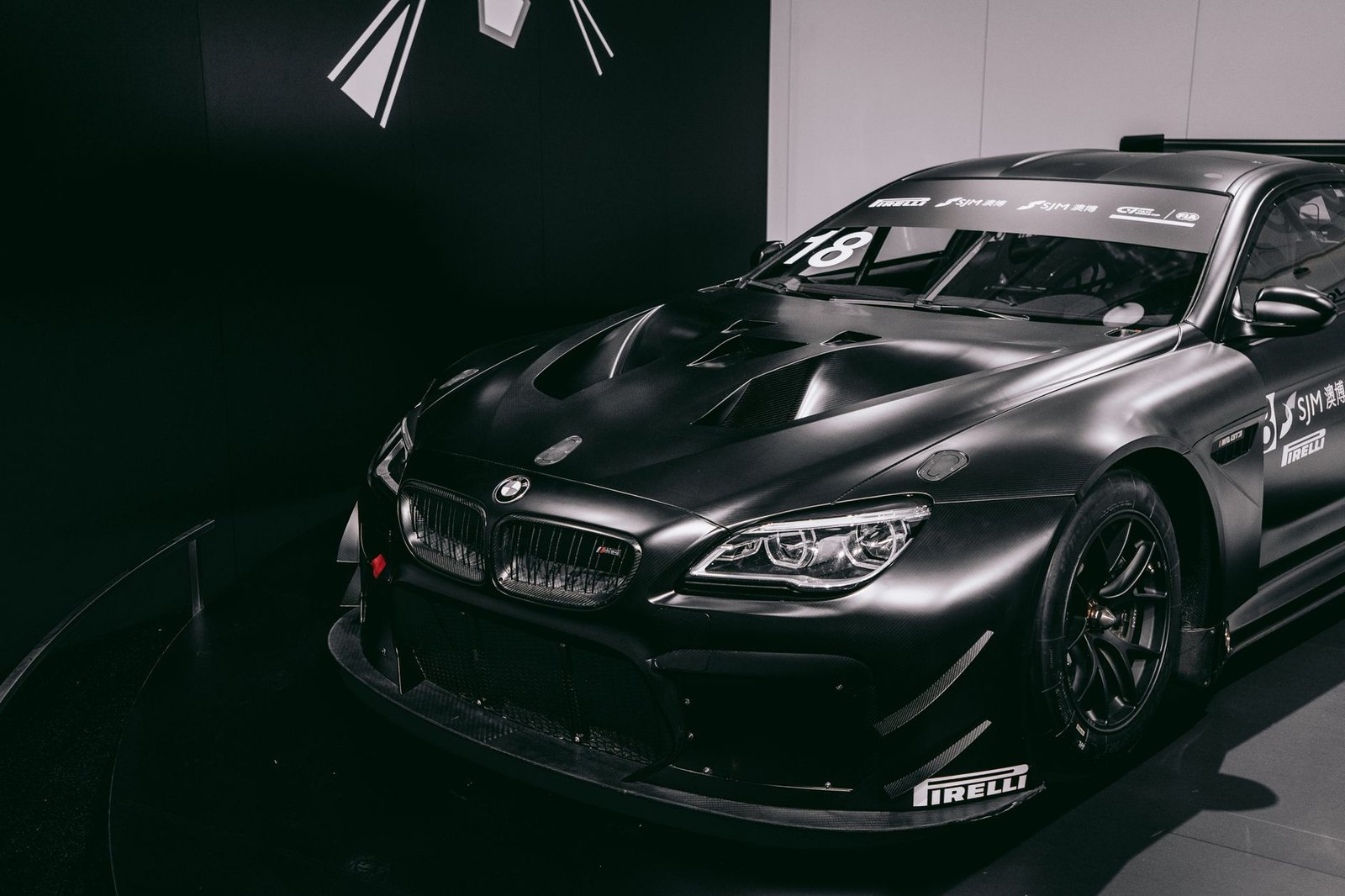
Two BMWs, one horsepower figure, and completely different ways of getting there. The 1 Series M Coupe and the i4 eDrive40 both make 335 horsepower and send it to the rear wheels, but that’s where the similarities stop. One is a turbocharged, manual-transmission cult classic from 2011. The other is a modern electric sedan built for daily duty with a side of performance. Let’s break down what the numbers actually tell us.
Powertrain: Turbo Six vs Electric Motor
The 1M relies on the N54 twin-turbo 3.0-liter inline-six, an engine borrowed and reworked from the 335i and tuned specifically for this car. It produces 335 horsepower and 332 lb-ft of torque, with a factory overboost function that briefly pushes torque to 369 lb-ft under hard acceleration. Power reaches the rear wheels exclusively through a six-speed manual gearbox. There’s no automatic option, which was part of the appeal when it launched.
The i4 eDrive40 uses a single electric motor mounted at the rear axle, matching the 1M’s 335 horsepower output almost identically. Torque comes in at 317 lb-ft, slightly lower on paper, but delivered instantly and without the lag inherent to turbocharging. There’s no clutch, no shifting, and no engine note to speak of. Just a single-speed reduction gear sending power straight to the wheels.
Acceleration and Weight
On paper, the i4 eDrive40 is quicker in a straight line, hitting 60 mph in about 5.5 seconds thanks to instant torque delivery. The 1M needs roughly 4.7 seconds for the same sprint, aided by its lighter curb weight of around 3,296 pounds. That weight advantage matters more than most spec sheets let on, especially once you start factoring in cornering behavior rather than just straight-line speed.
The i4 eDrive40 tips the scales at approximately 4,516 pounds, a difference of well over 1,200 pounds compared to the 1M. Battery packs are heavy, and that mass shows up in how each car changes direction. The 1M feels light and eager to rotate, while the i4 relies on a low center of gravity from its underfloor battery to stay composed despite its heft.
Top Speed and Real-World Character
The 1M is electronically limited to around 155 mph, standard BMW practice for that era. The i4 eDrive40 tops out much lower, at 118 mph, reflecting its priorities as an efficient daily driver rather than an outright performance flagship. BMW reserves the higher top speeds for the i4 M50 variant, which uses dual motors and all-wheel drive.
This is where the numbers start telling a bigger story. The 1M was built as a driver’s car first, with rarity baked into its DNA. BMW built only about 6,331 units worldwide, with roughly 740 reaching the United States. It was never meant to be a volume seller. The i4 eDrive40, on the other hand, is a mainstream electric sedan meant to compete with the Tesla Model 3 and other EVs in daily-use scenarios, with range and efficiency taking priority over outright track capability.
Range, Refueling, and Practicality
The 1M doesn’t need to worry about range anxiety. Fill the tank, and you’re good for highway trips without a second thought. The i4 eDrive40 offers an EPA-estimated range of about 301 miles on a full charge, competitive for its segment but still requiring charging stops on longer journeys. Fast charging can bring the battery from 10 to 80 percent in around 30 minutes under ideal conditions, but that’s still a different rhythm than a five-minute gas station stop.
Pricing and Ownership
When new, the 1M carried a price tag of roughly $47,000, though limited production numbers have since pushed used market values well above that figure, sometimes into six figures for pristine, low-mileage examples. It has become a genuine collector’s item.
The i4 eDrive40 starts at approximately $57,400, positioning it as a more accessible entry point into BMW’s electric lineup. Unlike the 1M, it’s still in production and available new through dealers, with none of the scarcity premium attached to the older car.
Which Numbers Matter Most
If you’re chasing outright thrills with a manual transmission and a turbocharged soundtrack, the 1M still wins on feel despite being the older, less powerful-on-paper car in some metrics. If you want quicker acceleration, lower running costs, and a car that works as a daily commuter without compromise, the i4 eDrive40 makes a stronger case.
Comparing these two by the numbers alone doesn’t capture everything. Horsepower parity is a fun coincidence, but the way each car delivers that power, and the experience behind the wheel, couldn’t be more different. One is an analog relic worth chasing on the used market. The other is a practical step into BMW’s electric future.