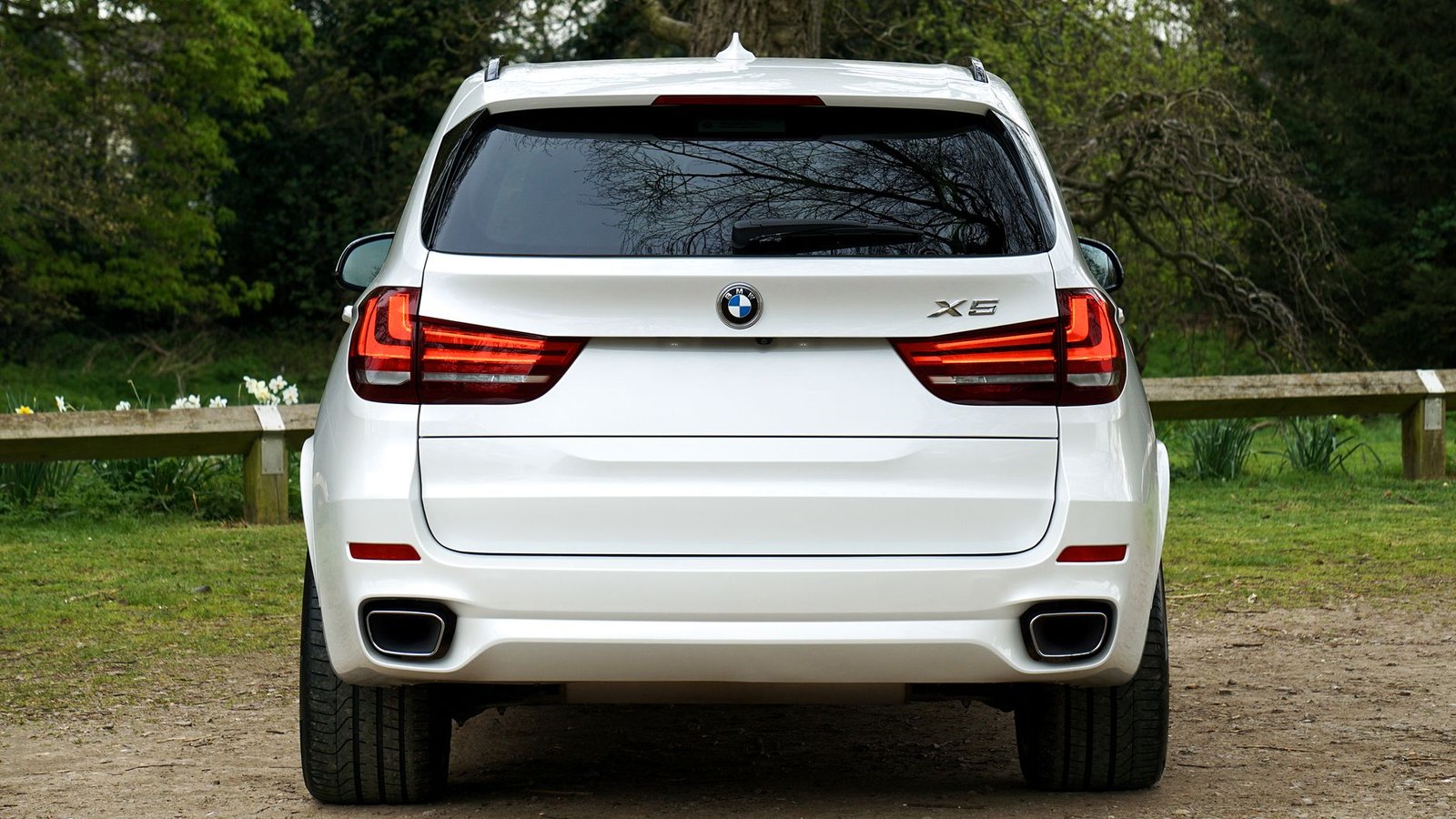
The BMW X5 has been a cornerstone of the brand’s lineup since 1999, and with the G65 generation arriving this October, the SUV is entering its fifth chapter. But buried in its 25-plus year history is a strange footnote that most BMW fans have never heard of: for a brief window during the original E53 generation, BMW built X5s with a six-speed manual transmission. Not hundreds. Not dozens. Just two.
That number sounds almost too small to be true, but it checks out. The E53 X5, produced from 1999 through 2006, was engineered with a manual gearbox option in mind from the start. BMW’s engineers actually built the car to accommodate three pedals, and the automaker even listed a six-speed manual as a factory option in certain markets during the early 2000s. The catch is that almost nobody ordered it.
Why the Manual Option Barely Existed
SUVs in the early 2000s were not exactly manual transmission territory. Buyers who wanted a BMW X5 were largely looking for comfort, capability, and effortless cruising, not a clutch pedal to manage in stop-and-go traffic or off-road situations. The automatic transmission, whether the five-speed or later six-speed unit, was simply the better match for how people actually used these vehicles.
BMW offered the manual primarily on the X5 3.0i, which used the naturally aspirated inline-six engine. It was never offered on the V8 models, which made sense given that those trims leaned even more heavily into effortless power delivery rather than driver engagement through shifting. Even among 3.0i buyers, the manual was a tough sell. Most customers who wanted an SUV from BMW wanted it to feel like a luxury vehicle first, not a sports sedan on stilts.
The Two Cars That Actually Got Built
According to BMW’s own production records, only two E53 X5s were built with the six-speed manual transmission. Both were built for the European market, and details about their exact specifications, colors, and current whereabouts remain murky. What is clear is that this makes the manual X5 one of the rarest configurations BMW has ever produced for a road-going model.
To put that number in context, BMW built hundreds of thousands of E53 X5s over its seven-year production run. Finding two manual examples in that entire pool is like finding a needle in the world’s largest haystack. Collectors and BMW historians consider these two cars almost mythical, since verified sightings or sales records are essentially nonexistent.
Why BMW Never Tried Again
After the E53 generation ended in 2006, BMW moved on to the E70 X5, and the manual option disappeared entirely from the SUV’s order sheet. It never came back. By that point, automatic and later dual-clutch transmissions had improved so dramatically that they outperformed manuals in nearly every practical measure, including fuel economy, shift speed, and daily usability.
There was also a broader shift happening across the SUV segment. As crossovers and SUVs became mainstream family vehicles rather than niche off-roaders, manufacturers leaned harder into automatic transmissions across the board. Manual take rates were falling everywhere, not just at BMW, and SUVs were often the first vehicles to lose the option entirely.
The X5 itself also grew more powerful and more luxury-focused with each generation, further reducing any incentive to bring back a manual. Modern X5 buyers expect smooth, quick-shifting automatics paired with either turbocharged inline-sixes, V8s, or hybrid powertrains, none of which are typically paired with manual gearboxes in BMW’s current lineup.
A Curious Piece of BMW History
The story of the two manual E53 X5s is a reminder of how experimental automakers were willing to be in the early SUV era, even when the results made little commercial sense. BMW clearly believed there might be some market, however small, for a manual SUV, and it built the infrastructure to support that option even though almost nobody used it.
Today, as BMW prepares to launch the G65 X5, the idea of a manual version feels almost impossible. The SUV segment has fully embraced automatic and electrified powertrains, and enthusiast demand has shifted toward sedans and coupes for manual transmission options. Still, knowing that two manual X5s exist somewhere in the world adds an intriguing layer to the model’s history, proving that even mainstream luxury SUVs sometimes have unexpected stories hiding in their past.
For BMW collectors, tracking down one of these two cars would be the ultimate find. Until then, the six-speed manual X5 remains one of the most obscure and fascinating footnotes in the model’s long history.