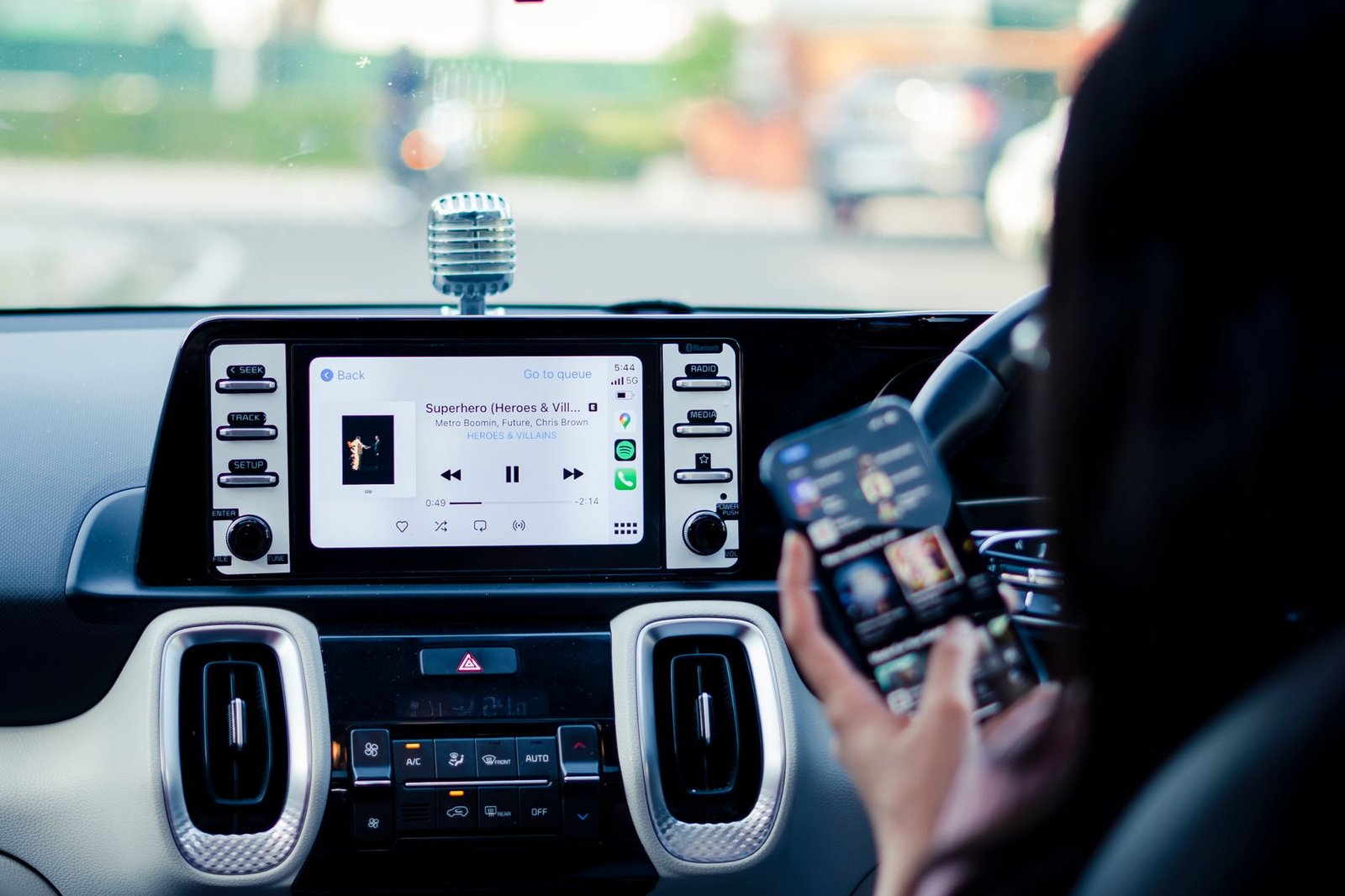
GM cannot seem to make up its mind about CarPlay, and the mixed signals keep piling up. Just when it looked like the automaker might reverse its controversial decision to ditch phone projection in its electric vehicles, a new report suggests otherwise. Meanwhile, GM itself refuses to clear the air.
This back-and-forth has left EV shoppers stuck in limbo, unsure whether their next GM electric vehicle will support Apple CarPlay or Android Auto. For an issue that seems simple on the surface, GM has managed to turn it into a genuine mess.
How We Got Here
Back in 2023, GM dropped a bombshell. The automaker announced that future electric vehicles would no longer support Apple CarPlay or Android Auto. Instead, GM wanted drivers to rely entirely on a built-in infotainment system developed with Google, using Google Maps, Google Assistant, and other embedded apps baked directly into the car.
GM’s reasoning centered on safety and control. Executives argued that a fully integrated system allowed for better software management, tighter control over the driving experience, and features that phone projection could not replicate, like deeper integration with vehicle data. Critics saw it differently. Many viewed the move as a way for GM to collect more user data and create new subscription revenue streams, all while stripping away a feature millions of drivers have come to expect.
The Backlash Was Immediate
Customers did not take kindly to losing CarPlay and Android Auto. Both features have become standard expectations in modern vehicles, and plenty of buyers cited their absence as a dealbreaker. Sales data and customer feedback painted a rough picture for GM’s EV lineup, particularly among shoppers who simply wanted their phone to sync seamlessly with their car the way it does in nearly every competitor’s vehicle.
The backlash grew loud enough that GM found itself walking back parts of its messaging. Reports surfaced suggesting the company might reconsider its stance, especially as EV sales growth slowed and automakers needed every advantage they could get to win over hesitant buyers. For a moment, it seemed like common sense might prevail.
Now the Story Has Flipped Again
Just when it looked like GM might restore phone projection, a fresh report throws cold water on that idea. According to the latest information, GM is not bringing CarPlay or Android Auto back to its EVs after all. The automaker appears to be sticking with its Google-built infotainment approach for electric models, even as gas-powered GM vehicles continue to offer phone projection without issue.
This creates a strange split within GM’s own lineup. Buy a gas-powered Chevrolet, GMC, Buick, or Cadillac, and you get CarPlay. Buy the electric version, and you are stuck with GM’s proprietary system whether you like it or not. That inconsistency alone creates confusion for shoppers cross-shopping different powertrains from the same brand.
GM Won’t Clarify Its Position
Perhaps the most frustrating part of this saga is GM’s silence. Rather than issuing a clear statement confirming or denying its plans, the company has stayed vague, leaving journalists, analysts, and customers to piece together the truth from leaks and unofficial reports. This lack of transparency only fuels more speculation and frustration.
For an automaker trying to sell EVs in an increasingly competitive market, this kind of ambiguity is not doing any favors. Ford, Hyundai, Kia, and most other major automakers continue to offer phone projection across their electric lineups without hesitation. GM standing alone on this issue, without a clear explanation, makes the decision look less like a bold strategic move and more like a stubborn miscalculation.
What This Means for Buyers
If you are shopping for a GM electric vehicle right now, assume you will not get Apple CarPlay or Android Auto, at least for the foreseeable future. GM’s built-in system does offer Google Maps and Google Assistant, which covers some of the same ground, but it lacks the seamless personalization that comes from syncing your own phone, contacts, music library, and apps directly.
Whether GM eventually reverses course again remains unclear. The company has shown it is willing to change its messaging under pressure, but so far it has not shown willingness to change the actual product. Until GM offers a straight answer, buyers are left guessing, and that uncertainty could keep pushing EV shoppers toward brands that offer the flexibility they have come to expect.
For now, the safest advice is simple: do not buy a GM EV expecting phone projection to show up down the road. Base your decision on what the vehicle offers today, not on rumors of what might change tomorrow.