BMW’s new iX3 just proved that smaller wheels can make a bigger difference than most buyers expect. In a real-world highway test conducted by Bjorn Nyland, the iX3 50 xDrive covered 749 km (465 miles) on a single charge while cruising at a steady 90 km/h (56 mph). That result beat the automaker’s own previous range figure for the same model, and the only change was a switch to smaller wheels.
How the iX3 Broke Its Own Record
During the test, the iX3 consumed just 12.9 kWh per 100 km, an efficiency number that puts it near the top of the electric SUV segment. Nyland’s testing method is well known in the EV community for being consistent and repeatable, which makes this result more credible than a manufacturer’s own claimed range under ideal lab conditions.
The key variable here was wheel size. BMW’s iX3 is available with multiple wheel options, and the smaller set reduces rolling resistance and aerodynamic drag compared to larger, flashier wheels. Bigger wheels look good on a showroom floor, but they come with a real efficiency cost, especially at highway speeds where aerodynamics matter most.
Why Wheel Size Matters So Much for EVs
Every electric car buyer eventually learns this lesson: bigger wheels drain the battery faster. Larger wheels typically mean wider tires with more contact patch and higher unsprung mass, both of which increase energy consumption. They can also disrupt airflow around the wheel wells, adding drag that eats into range on long drives.
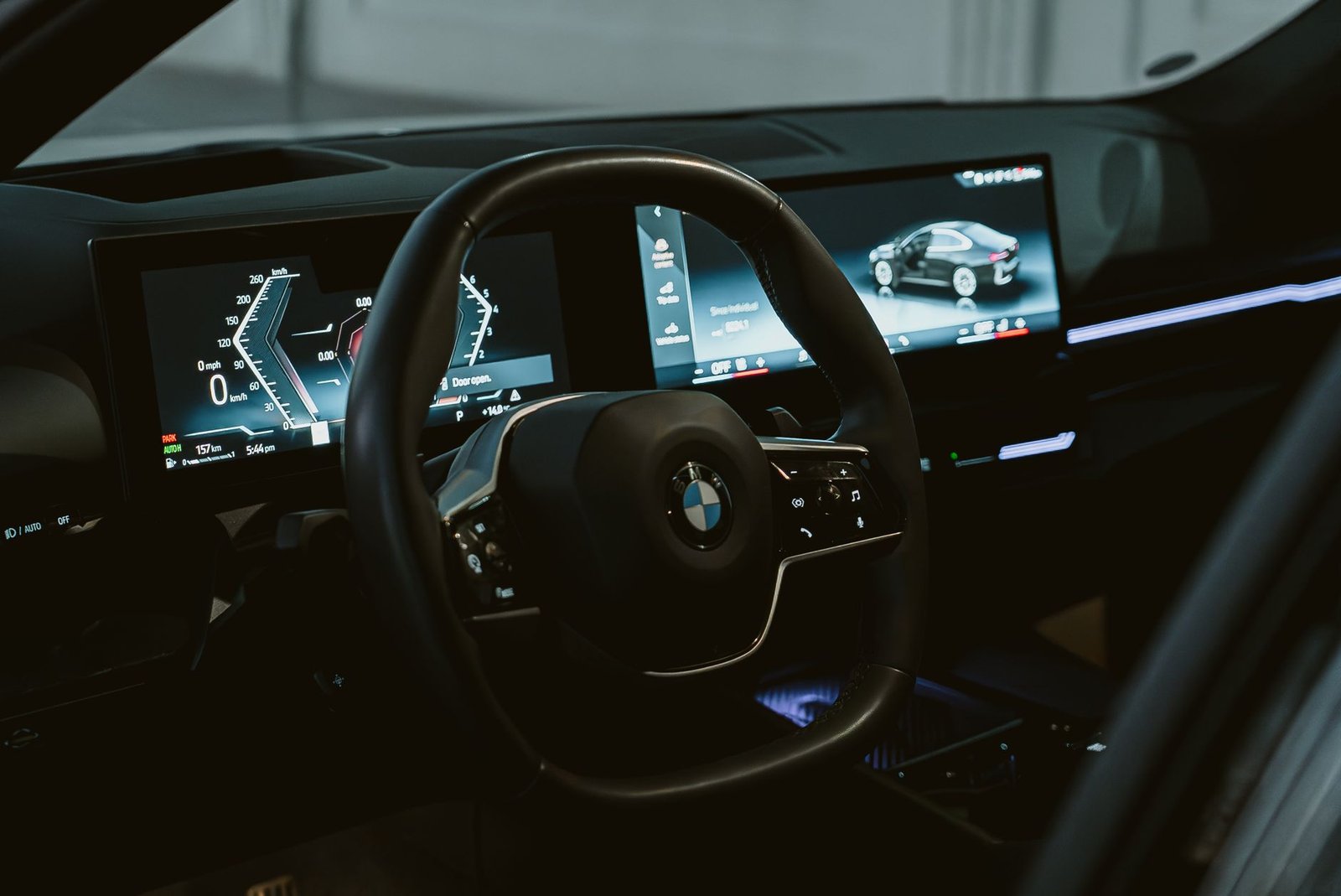
BMW engineered the iX3 on the brand’s new Neue Klasse platform, which was built from the ground up with efficiency as a priority. This is BMW’s first model riding on this architecture, and it uses a more advanced battery chemistry along with an 800-volt electrical system that supports faster charging and better energy management. The smaller wheels simply let the car’s underlying engineering shine without extra drag holding it back.
Real-World Numbers vs. Official Ratings
Official range ratings from regulatory bodies like the EPA or WLTP often don’t reflect how a car performs in everyday driving. Nyland’s test is different because it simulates realistic highway conditions at a constant speed, which is exactly how most long-distance trips happen. Hitting 749 km at 90 km/h is a serious number, especially considering most EVs lose a significant chunk of their rated range once they hit sustained highway speeds.
For context, many electric SUVs on sale today struggle to crack 500 km in similar real-world tests once you factor in speed, temperature, and terrain. The iX3’s result puts it well ahead of that curve, and it suggests BMW’s efficiency focus with the Neue Klasse platform is paying off in ways that matter to actual owners, not just marketing brochures.
What This Means for Buyers
If you’re shopping for the iX3, this test result is worth remembering before you tick the box for larger wheels at the dealership. While bigger wheels might look more aggressive, they come at a real cost in range and efficiency. Buyers who prioritize maximum range over styling should stick with the smaller wheel option BMW offers.
This also reinforces a broader trend in the EV world. Automakers are increasingly offering multiple wheel sizes not just for aesthetic variety but because the choice has a measurable impact on range. Tesla, Hyundai, and other EV makers have shown similar patterns where smaller wheels consistently outperform larger ones in efficiency testing.
BMW’s Bigger Picture With Neue Klasse
The iX3 is just the beginning of BMW’s Neue Klasse rollout, and this range result is a strong first impression. The platform is expected to underpin several future BMW EVs, including a new electric 3 Series-sized sedan. If the iX3’s efficiency numbers are any indication, BMW may be positioning itself as a serious contender against Tesla and other range leaders in the EV market.
This test also shows that BMW isn’t just chasing bigger batteries to win the range game. Instead, the company appears focused on genuine efficiency gains through better aerodynamics, smarter battery management, and thoughtful engineering choices like wheel sizing. That approach tends to produce more consistent real-world results than simply stuffing a car with more battery cells.
Final Thoughts
Bjorn Nyland’s test gives potential iX3 buyers a clear, practical takeaway. Smaller wheels aren’t just a budget-friendly option, they’re a genuine performance advantage when it comes to range. With 749 km achieved at a steady highway speed, the iX3 has set a new benchmark for what a mainstream electric SUV can achieve, and it does so without relying on an oversized battery pack. For an industry still working to convince skeptical buyers that EVs can handle long trips without anxiety, results like this matter a lot.