BMW’s Electric M Revolution Is Nearly Here
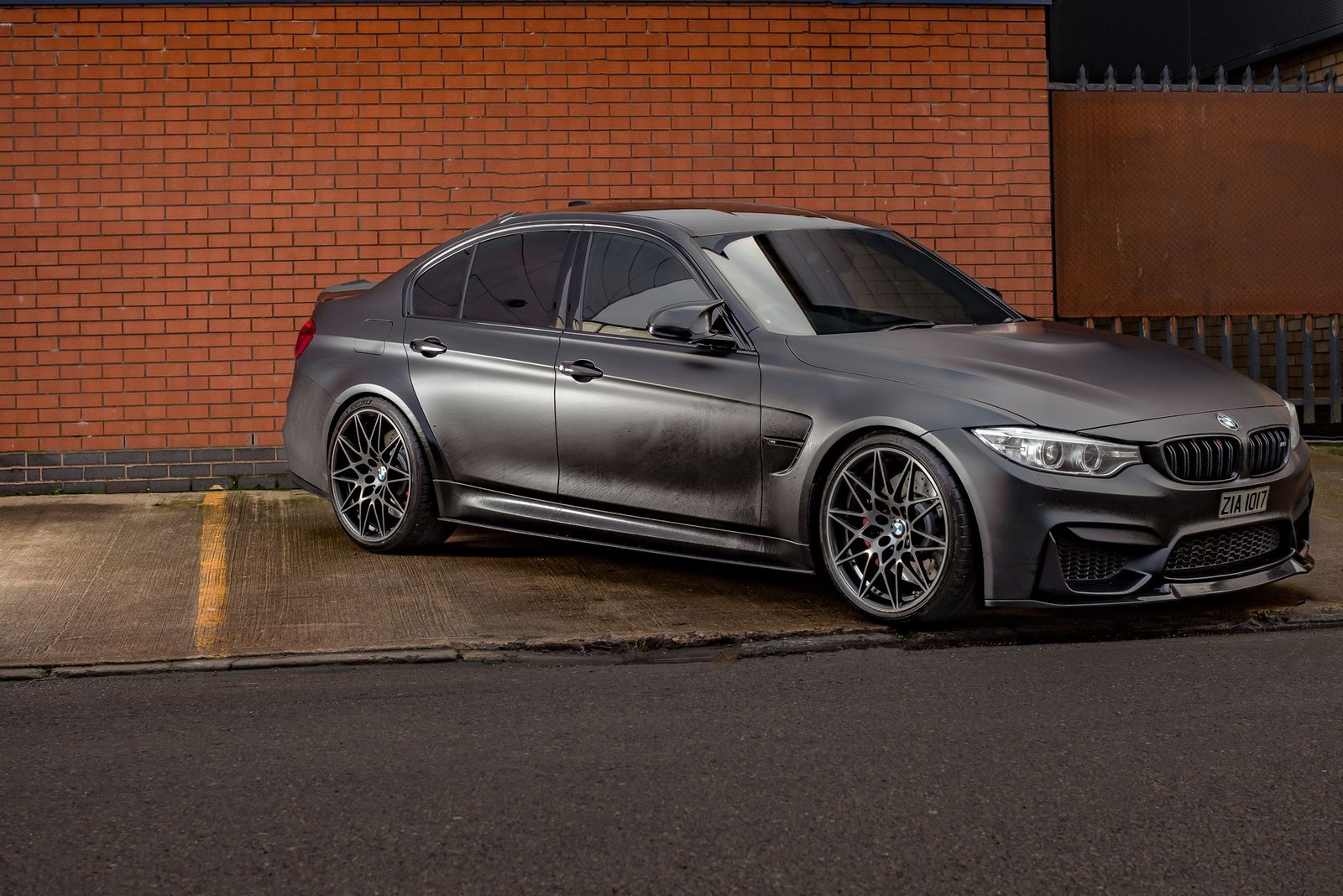
The automotive world has been waiting for BMW to deliver a genuine electric M car, and that moment is finally approaching. While BMW has offered M-badged electric vehicles for the past five years, including the i4 M50 and other models, these haven’t represented the true M performance philosophy that enthusiasts demand. That changes next year with the arrival of an all-electric M3 that promises to be a authentic M vehicle in every sense.
Understanding the Difference: M-Badged vs. True M Cars
There’s an important distinction between M-badged vehicles and true M cars. The current lineup of electric M models, while impressive in their own right, were built on existing EV platforms and adapted for M performance credentials. However, the upcoming electric M3 represents a fundamental shift in BMW’s approach to combining electric powertrains with genuine M performance engineering.
The M division has invested considerable resources into developing a platform that can deliver the precision, responsiveness, and performance characteristics that define the M brand. This isn’t simply an M badge applied to an electric vehicle—it’s a purpose-built M car that happens to be powered by electricity.
What BMW M Leadership Says About the EV Transition
BMW M’s leadership team has been transparent about the strategic importance of this transition. The decision to develop a true electric M3 reflects the company’s commitment to maintaining its performance legacy while embracing electrification. This isn’t a compromise or a concession to environmental regulations; it’s a deliberate evolution of what M performance means in the electric era.
The timing is particularly significant. By launching an authentic electric M3, BMW positions itself ahead of competitors who are still grappling with how to translate traditional performance values into electric platforms. The M division has had years to study electric powertrains, battery technology, and chassis dynamics specific to EVs.
Performance Expectations for the Electric M3
While official specifications remain under wraps, industry insiders expect the electric M3 to deliver instant torque delivery that rivals or exceeds its combustion-engine counterpart. Electric motors provide unique advantages for performance applications, including superior low-end power delivery and the ability to precisely control power distribution across all four wheels.
The electric M3 will likely feature advanced battery technology, sophisticated thermal management systems, and a carefully calibrated suspension setup designed specifically for electric vehicle dynamics. These aren’t retrofitted components but rather purpose-engineered solutions that take full advantage of the electric platform’s inherent characteristics.
The Broader Implications for BMW M
The introduction of a true electric M3 signals BMW’s long-term commitment to performance electrification. This isn’t a one-off model but rather the beginning of a new chapter for the M division. Future M models will increasingly feature electric or hybrid powertrains, with each generation pushing the boundaries of what electric performance can achieve.
For enthusiasts concerned about the future of M performance, the electric M3 represents reassurance that the brand’s core values—precision engineering, thrilling driving dynamics, and cutting-edge technology—will remain intact regardless of the powertrain.
Looking Forward
The arrival of an authentic electric M3 marks a pivotal moment in automotive history. It demonstrates that performance and electrification aren’t mutually exclusive. As BMW prepares to launch this groundbreaking vehicle, the automotive industry watches closely to see how the M division has tackled the challenge of delivering true M performance through an electric platform.