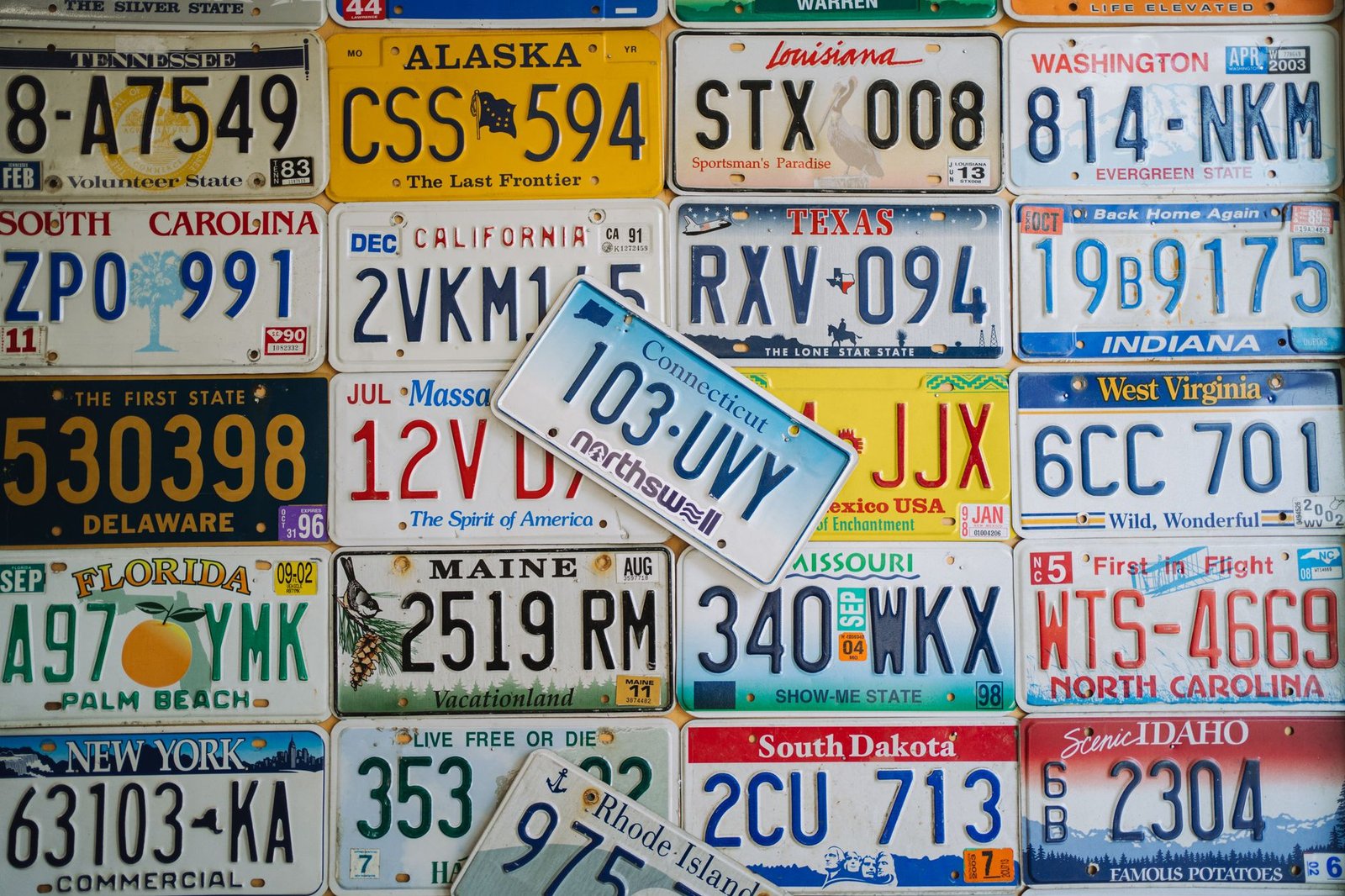
California is closing the book on a license plate sequence that has been in use since 1980. After 46 years of issuing plates in the familiar 1ABC234 format, the state’s DMV has started producing and shipping plates with a new sequence to offices across California.
The shift comes down to simple math. California has more registered vehicles than any other state, and the old format eventually ran out of usable combinations. Rather than scrambling once the supply hit zero, the DMV planned ahead and rolled out a new sequence before the state was left without plates to issue.
Why the Old Format Ran Out
The outgoing format, one number followed by three letters and three numbers, offered millions of combinations, but not enough letters and numbers exist to keep up with California’s ever-growing fleet of registered cars, trucks, and motorcycles. With tens of millions of vehicles on the road and new ones added daily, even a system built to last decades eventually reaches its limit.
California isn’t alone in facing this problem. Other high-population states have hit similar walls in the past and had to introduce new sequences or add characters to keep pace with demand. California’s situation is notable mainly because of how long the previous format lasted and how large the state’s vehicle population has grown since 1980.
What the New Format Looks Like
The new plates have already been manufactured and distributed to DMV offices statewide, meaning the rollout is happening in real time rather than being announced for some future date. Drivers registering new vehicles or replacing lost or damaged plates will start seeing the updated sequence issued at random as inventory moves through the system.
The format itself follows a similar structure to keep things familiar for law enforcement, toll systems, and parking enforcement technology that reads plates automatically. Small changes in character order or an added letter are typically enough to unlock millions of new combinations without requiring a complete redesign of plate readers or scanning software used across the state.
What This Means for Current Plate Holders
If your car already has a plate in the old format, nothing changes for you. California is not requiring drivers to swap out existing plates. The new sequence only applies to newly issued plates, whether that’s for a new vehicle purchase, a replacement plate, or a transfer situation where a fresh plate is needed.
Personalized and specialty plates are also unaffected by this transition. Those programs operate on separate systems and aren’t tied to the standard sequential numbering that just ran its course. Drivers who want a custom plate can still apply through the usual process regardless of the base format change.
A Look Back at the 1980 Format
When California introduced the 1ABC234 format back in 1980, it replaced an even older system and was built to handle the state’s growth for decades. Few could have predicted just how long it would stay in service or how many tens of millions of plates it would eventually cover. That kind of longevity says a lot about how the original format was designed, even if it eventually had to give way to something new.
For collectors and car enthusiasts, plates from that era are already becoming a small niche of interest, especially low-numbered or early-issue plates from 1980. As the new sequence takes over, older plates may slowly gain a bit of nostalgic value among people who track automotive history in the state.
What Drivers Should Expect Going Forward
There’s no action required for most Californians. The transition is happening quietly in the background as DMV offices work through their new inventory. Anyone registering a new car in the coming months might notice the updated format on their plate, but the process of applying for and receiving plates remains exactly the same.
This kind of sequence change happens rarely, and the fact that it’s occurring now says a lot about how much California’s roads have grown since the last one. With more vehicles registered in the state than ever before, this update should keep the DMV supplied with fresh plate combinations for years to come.