The Impact of Convertible Tops on Fuel Efficiency
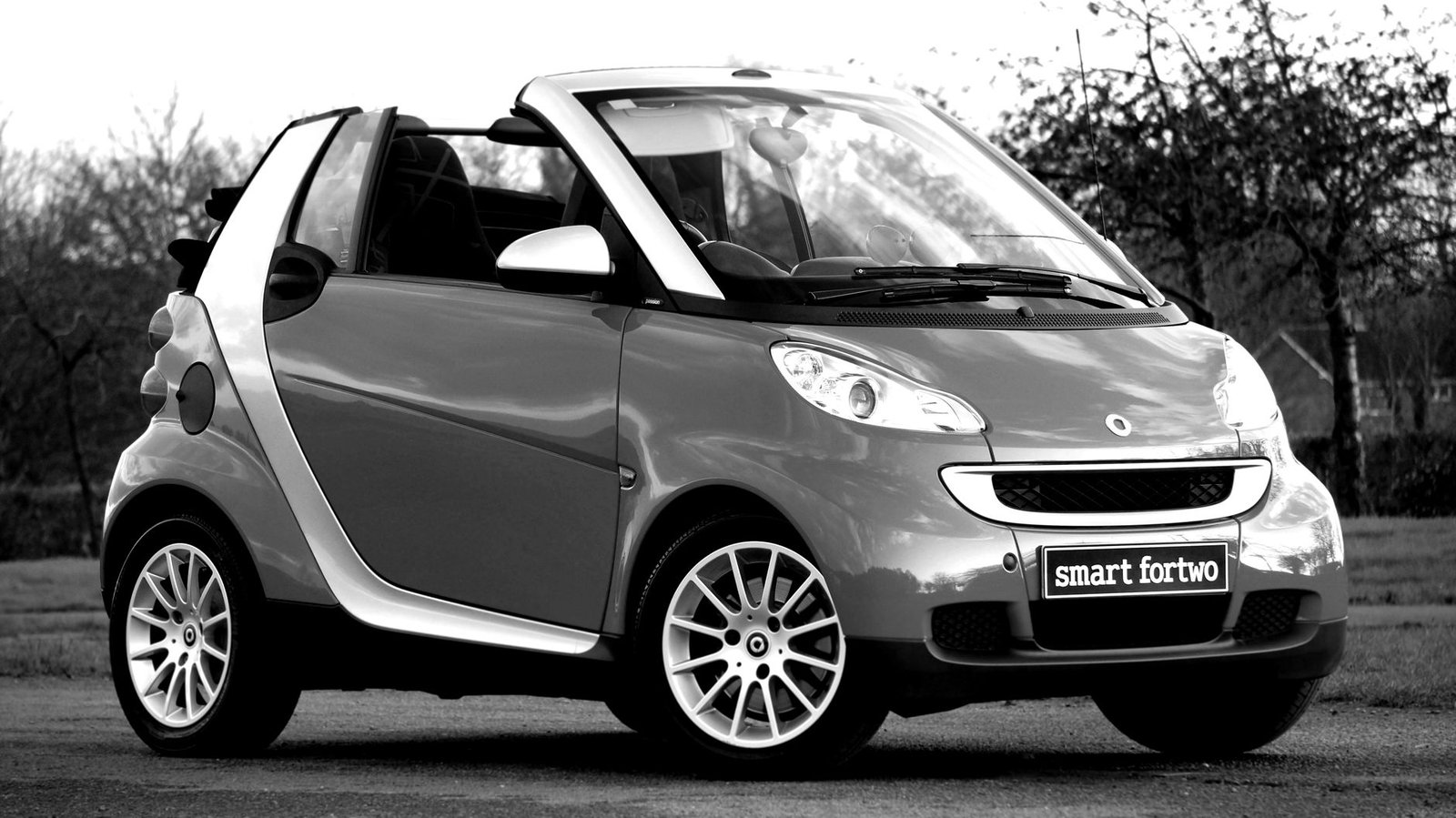
Convertibles offer an exhilarating driving experience with the wind in your hair and sunshine overhead. However, this open-air luxury comes with a hidden cost: reduced fuel efficiency. Understanding how your convertible’s top affects MPG is essential for maximizing both performance and economy.
Aerodynamics and Wind Resistance
The primary reason convertibles consume more fuel with their tops down relates to aerodynamics. When the convertible top is raised, the vehicle maintains a streamlined profile that cuts through air more efficiently. The closed cabin creates a sealed environment that reduces drag coefficient significantly.
Conversely, lowering the top dramatically increases wind resistance. The open cockpit creates turbulence around the vehicle, forcing your engine to work harder to maintain speed. This increased aerodynamic drag is the main culprit behind reduced fuel economy in convertibles.
Speed and Fuel Consumption
The negative impact on MPG becomes increasingly pronounced at higher speeds. While cruising at modest speeds on local roads, the difference in fuel consumption may be minimal. However, highway driving with the top down can result in noticeably worse gas mileage.
At speeds above 50 mph, aerodynamic drag becomes exponentially more significant. Your engine must expend additional energy to overcome wind resistance, directly translating to increased fuel consumption. Studies show that convertibles can experience a 5-10% reduction in fuel efficiency with the top down at highway speeds.
Engine Load and Performance
Beyond aerodynamics, lowering the convertible top affects how your engine operates. The increased resistance forces the transmission to work harder, potentially downshifting to lower gears to maintain speed. This additional strain on the powertrain results in higher RPMs and greater fuel consumption.
Practical Tips for Better Fuel Economy
If you own a convertible and want to maximize fuel efficiency, consider keeping the top up during highway driving. Reserve the open-air experience for leisurely city driving or when speed requirements are minimal. This simple adjustment can help maintain better fuel economy without sacrificing the convertible ownership experience entirely.
Additionally, proper vehicle maintenance—including tire pressure optimization and regular engine tune-ups—can help offset some efficiency losses. Planning routes that minimize highway speeds also contributes to better overall fuel consumption.
The Bottom Line
While convertibles deliver undeniable joy and style, owners should be aware that lowering the top significantly impacts fuel efficiency, especially at highway speeds. The increased aerodynamic drag forces engines to work harder, consuming more fuel in the process. By understanding these dynamics, convertible enthusiasts can make informed decisions about when to enjoy the open-air experience while maintaining reasonable fuel economy.