
Cars come in dozens of shapes and sizes, but most fall into a handful of recognizable categories. Whether you’re shopping for your first car or trying to understand what separates a crossover from an SUV, knowing the main body styles makes comparing passenger space, cargo room, and everyday practicality much easier.
This article is based on original automotive reporting and publicly available manufacturer specifications at the time of publication.
Quick Infographic: Car Body Styles at a Glance
- Sedan — 4 doors, trunk, best for daily commuting and fuel efficiency
- Hatchback — Compact, rear liftgate, flexible cargo space
- SUV — Tall ride height, 5-7 seats, strong towing and cargo capacity
- Crossover — SUV-like styling on a car-based platform, lighter and more efficient
- Coupe — 2 doors, sporty styling, lower seating capacity
- Convertible — Retractable roof, open-air driving experience
- Station Wagon — Sedan-length body with extended cargo area
- Pickup Truck — Open cargo bed, highest towing and hauling capacity
- Minivan — Sliding doors, 3 rows, maximum family practicality
What Are the Main Types of Car Body Styles?
The main car body styles are the sedan, hatchback, SUV, crossover, coupe, convertible, station wagon, pickup truck, and minivan. Each one is built around a different priority, whether that’s fuel efficiency, cargo space, performance, or passenger comfort. Understanding these differences helps buyers match a vehicle’s shape to their actual driving needs rather than just its looks.
What Is a Sedan?
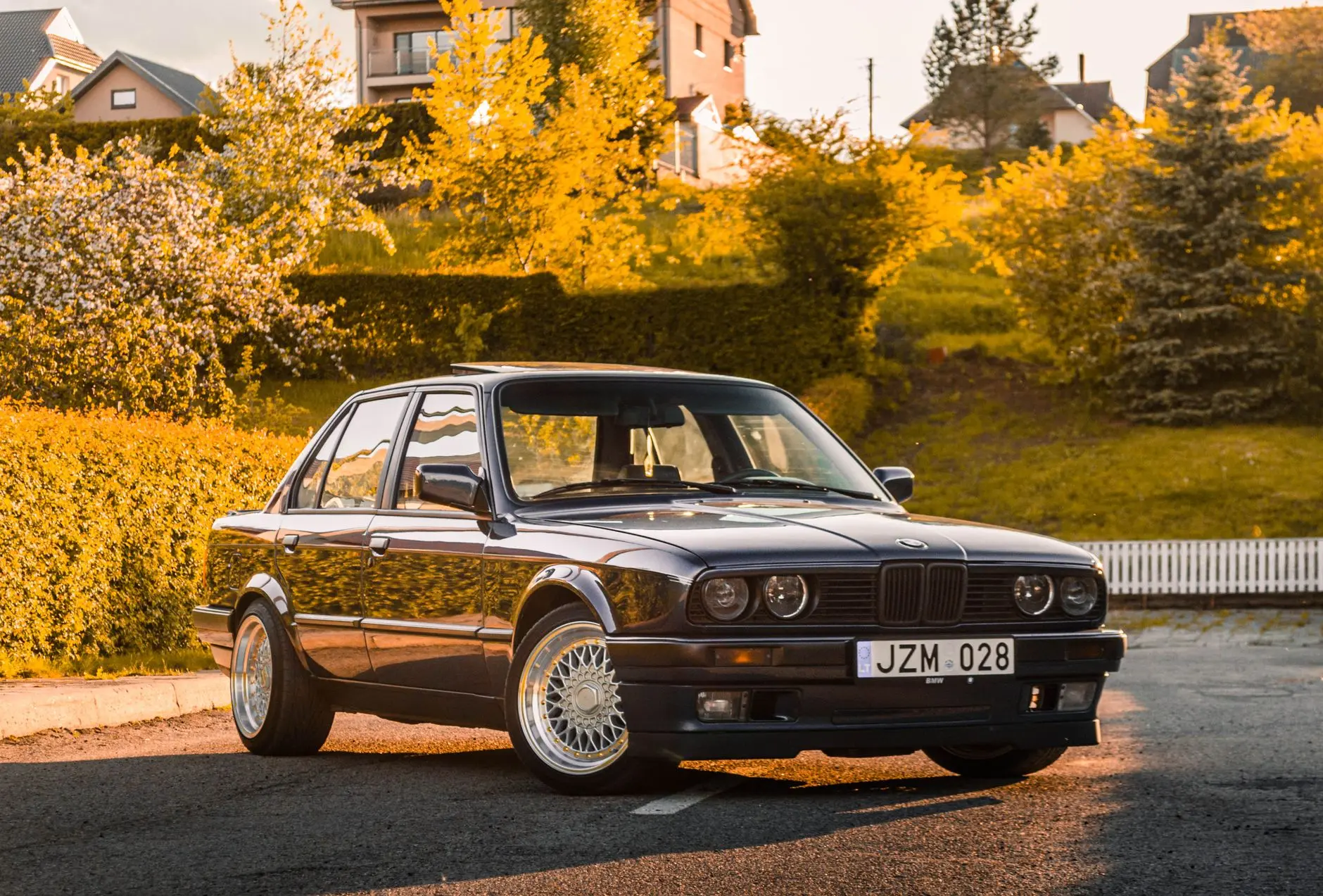
A sedan is a four-door car with a separate trunk and a traditional three-box shape: engine, cabin, and trunk. Sedans remain one of the most popular body styles because they balance comfort, fuel economy, and affordability. Popular examples include the Toyota Camry, Honda Accord, and Tesla Model 3.
What Is a Hatchback?
A hatchback is a compact car with a rear liftgate instead of a separate trunk, giving it more flexible cargo space. The rear seats typically fold down to expand storage even further. Hatchbacks like the Volkswagen Golf and Honda Civic Hatchback are popular in cities where parking space is limited.
What Is an SUV?
An SUV, or sport utility vehicle, is a taller vehicle built on a truck-like frame or unibody platform, offering more ground clearance, cargo room, and often all-wheel drive. SUVs typically seat five to eight passengers and are known for strong towing capability. Examples include the Toyota 4Runner, Jeep Grand Cherokee, and Chevrolet Tahoe.
What Is a Crossover?
A crossover is essentially an SUV-styled vehicle built on a car platform rather than a truck frame. This makes crossovers lighter, more fuel-efficient, and easier to drive than traditional body-on-frame SUVs, while still offering a raised seating position and generous cargo space. The Honda CR-V, Toyota RAV4, and Mazda CX-5 are leading examples.
What Is a Coupe?
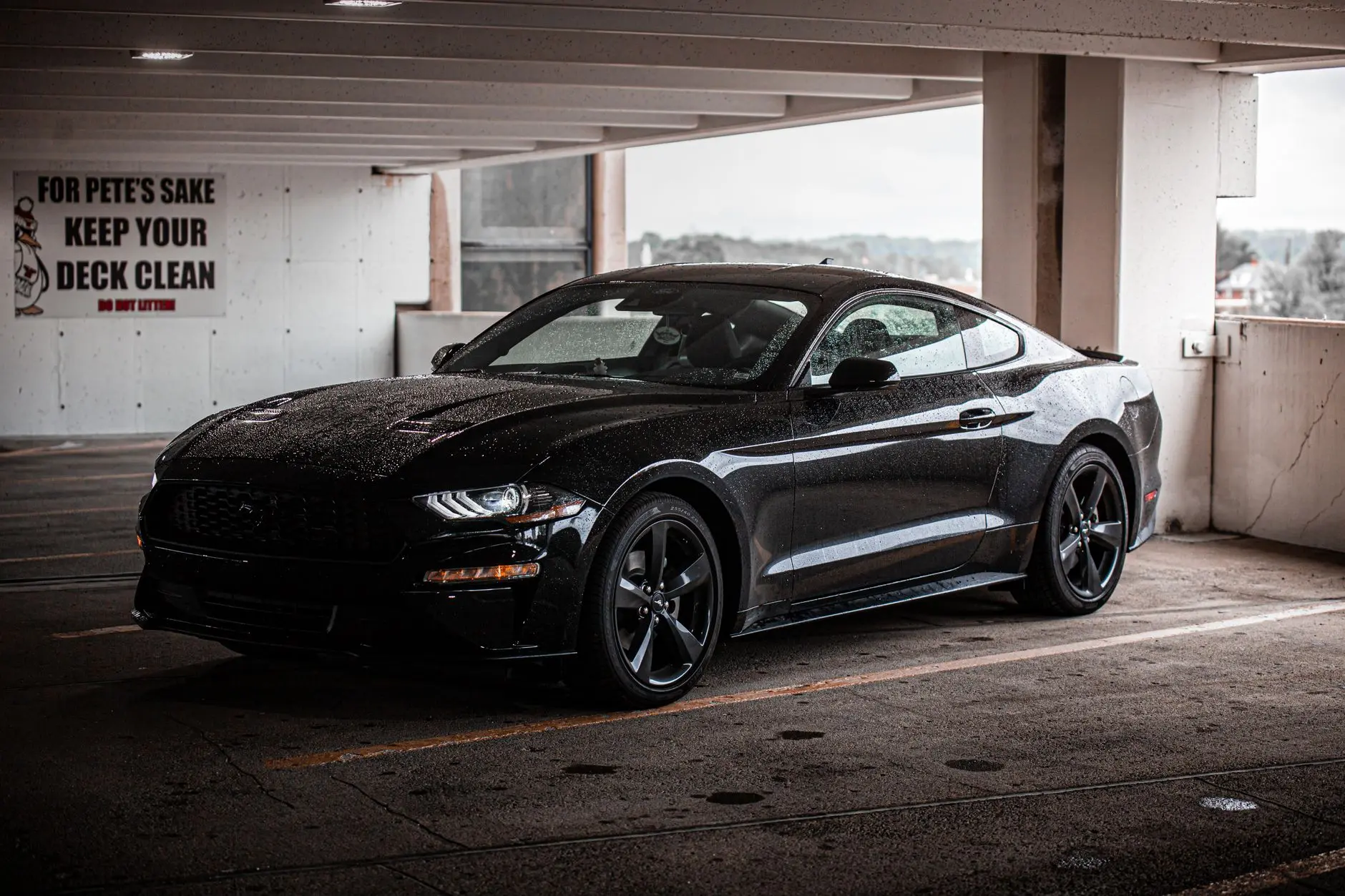
A coupe is a two-door car with a sportier, lower-slung profile than a sedan. Coupes usually sacrifice rear seat space and practicality in exchange for sharper handling and a more aggressive design. The BMW 4 Series and Ford Mustang are classic coupe examples.
What Is a Convertible?
A convertible is a car with a retractable soft-top or hardtop roof, allowing for open-air driving. Convertibles are typically built on coupe platforms and prioritize style and driving enjoyment over cargo space or all-weather practicality.
What Is a Station Wagon?
A station wagon extends a sedan’s body to include a longer roofline and rear cargo area without the bulk of an SUV. Wagons like the Subaru Outback and Volvo V60 offer a lower center of gravity and better handling than SUVs while still providing generous storage.
What Is a Pickup Truck?
A pickup truck features an open cargo bed behind the cab, making it the top choice for hauling, towing, and off-road capability. Trucks range from compact models like the Ford Maverick to heavy-duty full-size trucks like the Ford F-250, which can tow well over 15,000 pounds depending on configuration.
What Is a Minivan?
A minivan is designed specifically for maximum passenger and cargo flexibility, typically featuring sliding rear doors and three rows of seating. Minivans such as the Honda Odyssey and Toyota Sienna remain the go-to choice for larger families thanks to their easy entry, flat-folding seats, and generous storage.
How Do SUVs and Crossovers Differ?
The key difference is the platform they’re built on: SUVs often use truck-based frames, while crossovers use car-based unibody platforms. This distinction affects ride quality, towing capacity, fuel economy, and off-road ability. Truck-based SUVs tend to be more rugged and better suited for heavy towing, while crossovers are generally lighter, quieter, and more efficient for daily driving.
Many automakers now blur this line, so it’s worth checking a vehicle’s specific platform rather than relying on marketing terms alone. For instance, the Toyota RAV4 is marketed as an SUV but is mechanically a crossover.
What’s the Difference Between a Coupe and a Sedan?
The main difference is door count and body proportions. Sedans have four doors and prioritize interior space and practicality, while coupes have two doors and emphasize style and sporty handling. Coupes also typically have smaller rear seats and less cargo room than comparable sedans.
Which Body Style Is Best for Families?
For most families, a minivan or three-row SUV offers the best balance of seating, safety, and cargo space. Minivans provide the easiest access with sliding doors and flat-folding seats, while three-row SUVs like the Kia Telluride or Honda Pilot offer similar capacity with a more car-like driving feel and additional towing capability.
Comparison Table: Car Body Styles at a Glance
| Body Style | Typical Seating | Cargo Space | Best For |
|---|---|---|---|
| Sedan | 5 | Moderate | Daily commuting, fuel efficiency |
| Hatchback | 5 | Flexible | City driving, versatility |
| SUV | 5-8 | High | Families, towing, off-road use |
| Crossover | 5 | Moderate-High | Efficiency with SUV styling |
| Coupe | 2-4 | Low | Performance and style |
| Convertible | 2-4 | Low | Open-air driving |
| Station Wagon | 5 | High | Cargo space with sedan handling |
| Pickup Truck | 2-6 | Very High (Bed) | Hauling and towing |
| Minivan | 7-8 | Very High | Large families |
Bottom Line
There’s no single