
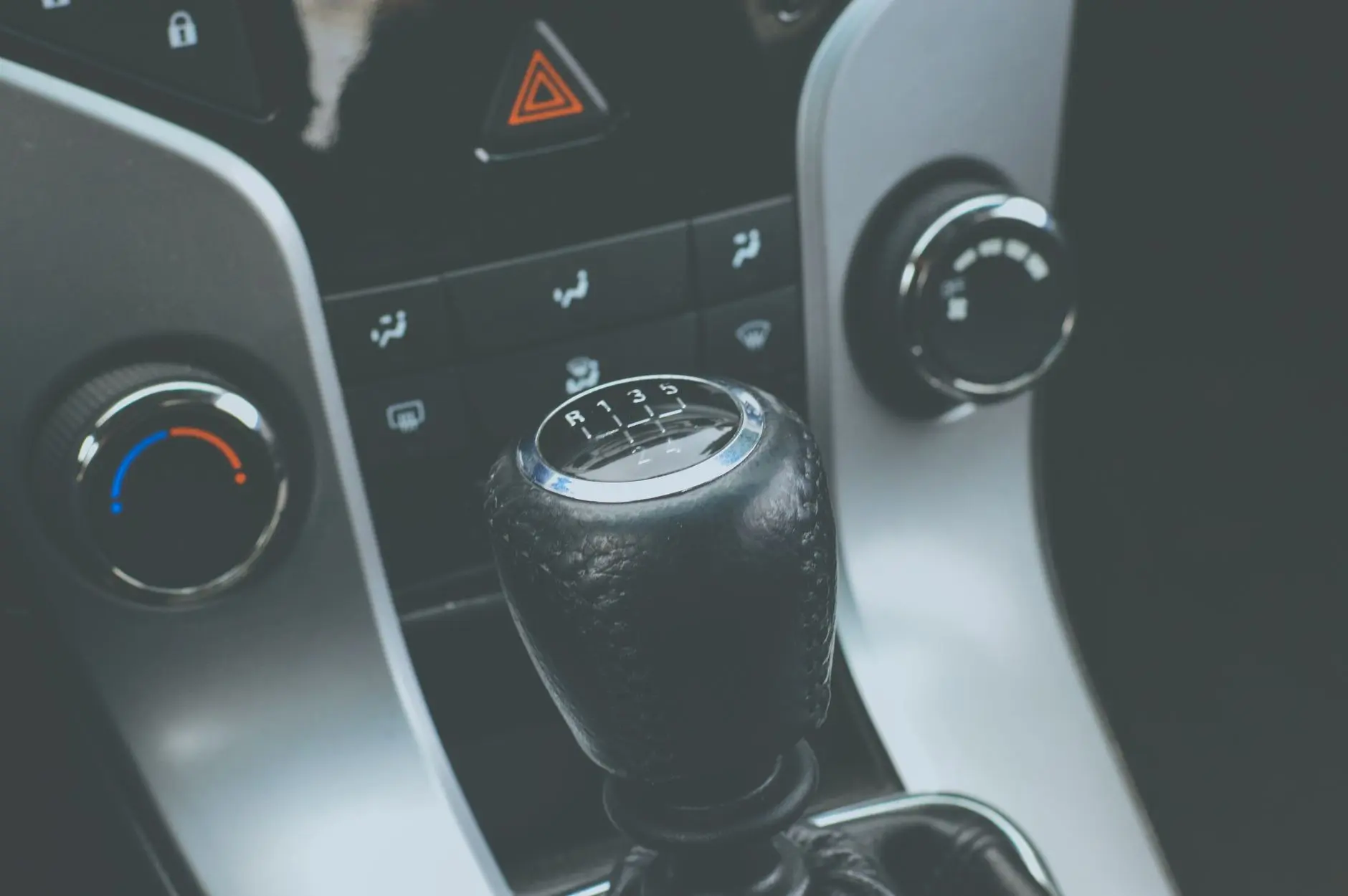
A lever is one of the simplest machines ever invented, yet it’s working all around you right now — from the door handle you pushed this morning to the jack that lifts your car’s wheel off the ground. Understanding how levers work makes it easier to see the mechanical genius hidden in everyday tools.
🔧 Lever Basics at a Glance
Rigid Bar: The arm that moves
Fulcrum: The fixed pivot point
Effort: The force you apply
Load: The object being moved
This article is based on general mechanical engineering principles and publicly available educational references on simple machines.
What Is a Lever and How Does It Work?
A lever is a rigid bar that pivots around a fixed point, called the fulcrum, to lift or move a load using less effort than would otherwise be needed. The basic idea is simple: push down on one end, and the other end moves up or applies force on something else. The position of the fulcrum relative to the effort and the load determines how much mechanical advantage the lever gives you. Move the fulcrum closer to the load, and you can lift heavier objects with less force — that’s the entire principle behind a crowbar or a car jack.
What Are the Three Classes of Levers?
Levers fall into three classes based on where the fulcrum, effort, and load sit along the bar.
First-Class Levers
In a first-class lever, the fulcrum sits between the effort and the load — think of a seesaw or a pair of pliers. These levers can either multiply force or increase speed, depending on the fulcrum’s position.
Second-Class Levers
Here, the load sits between the fulcrum and the effort, like in a wheelbarrow. This setup always multiplies force, making heavy loads easier to lift.
Third-Class Levers
In this type, the effort is between the fulcrum and the load, as seen in a fishing rod or a car’s accelerator pedal. These levers trade force for speed and range of motion.
| Lever Class | Fulcrum Position | Common Example | Main Benefit |
|---|---|---|---|
| First-Class | Between effort and load | Seesaw, pliers, crowbar | Force or speed, depending on setup |
| Second-Class | Load between fulcrum and effort | Wheelbarrow, bottle opener | Multiplies force |
| Third-Class | Effort between fulcrum and load | Fishing rod, gas pedal | Increases speed and range |
Where Do We See Levers in Everyday Life?
Levers show up in nearly every tool designed to make physical work easier. Scissors, bottle openers, hammers (when pulling nails), and even your arm when lifting a bag of groceries are all levers in action. Door handles, nutcrackers, and even the humble seesaw at a playground all rely on this same basic mechanical principle — reducing the effort needed to move or lift something heavy.
Did you know? The human forearm acts as a third-class lever, with the elbow as the fulcrum. That’s why lifting heavy objects with a bent arm feels harder than using a tool with better leverage.
How Are Levers Used in Cars and Garages?
Cars and garages are full of levers doing heavy lifting, quite literally. A hydraulic car jack combines leverage with hydraulic pressure to lift a vehicle that weighs over a ton, using only the force of one hand. The brake pedal itself is a lever system that multiplies the force from your foot before it reaches the brake fluid and calipers. Even the hood prop rod, the parking brake lever, and tire irons used to loosen lug nuts all depend on the same simple mechanical principle — reducing effort while increasing control.
🚗 Levers Hiding in Your Car
Brake Pedal — Third-Class Lever
Car Jack — First-Class Lever (with mechanical advantage)
Tire Iron — First-Class Lever
Parking Brake Handle — Second-Class Lever
Why Do Levers Matter in Mechanical Design?
Levers matter because they let engineers control force, speed, and precision without adding complex machinery. From suspension systems to steering linkages, automotive engineers use lever principles constantly to balance power and control. A longer lever arm means less effort but more movement, while a shorter one means more force but less travel — this trade-off, called mechanical advantage, is the backbone of nearly every mechanical system in a vehicle, from the clutch linkage to the hood latch.
Bottom Line
A lever might be one of the oldest tools in human history, but it’s still doing heavy lifting in modern life — including under the hood of your car. Whether it’s a jack lifting a tire or a brake pedal stopping thousands of pounds of metal, the same simple principle of force, fulcrum, and load keeps things moving efficiently. Understanding levers isn’t just a physics lesson — it’s a window into how nearly every mechanical tool, including your car, actually works.