
The Light Pollution Crisis in Modern Cities
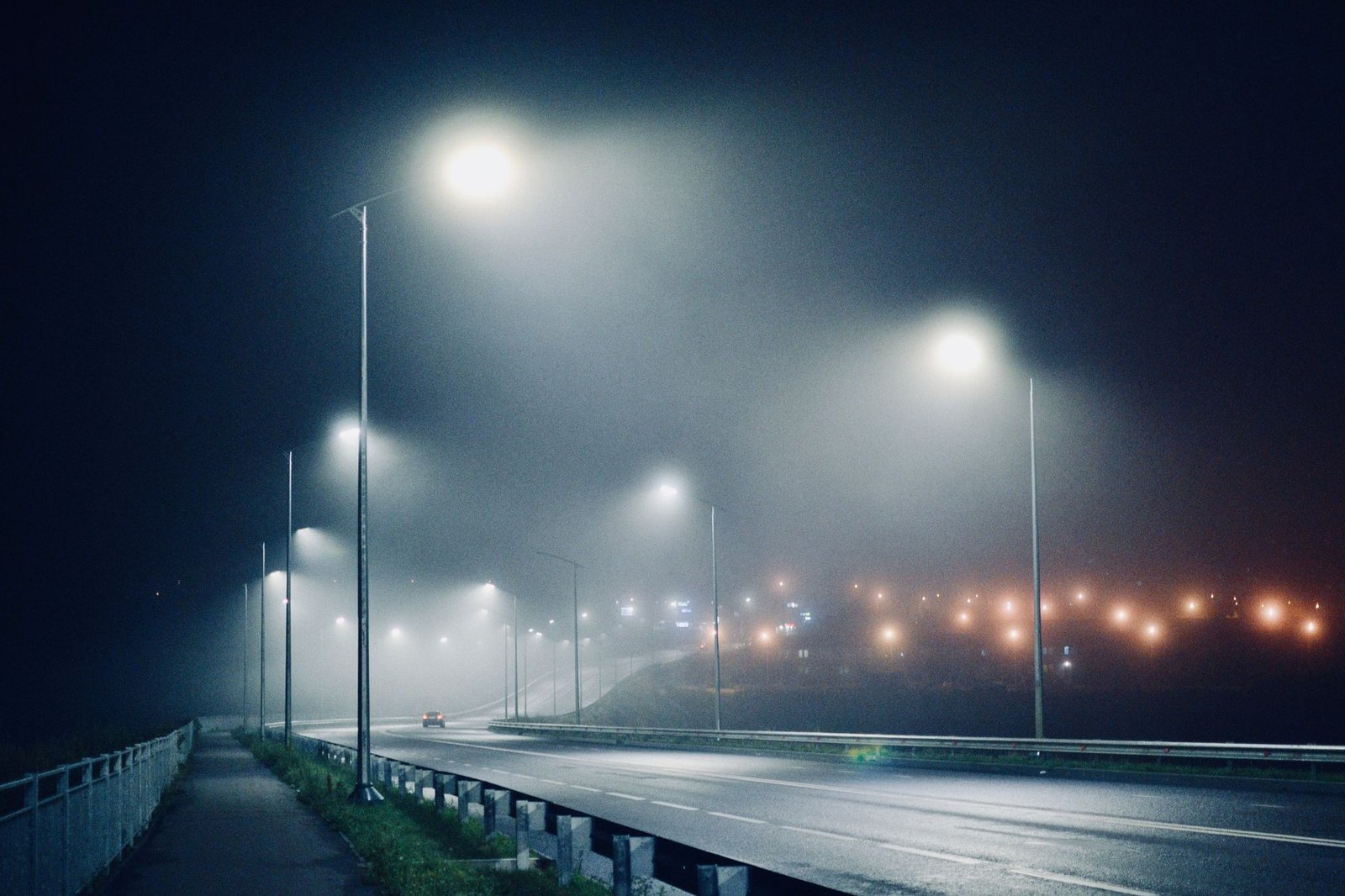
Light pollution has become one of the most pervasive environmental challenges facing modern urban centers. Excessive artificial lighting in cities drowns out thousands of stars that would otherwise be visible to the naked eye at night, fundamentally altering our connection to the cosmos. This phenomenon affects not only astronomy enthusiasts but also wildlife, human health, and energy consumption patterns across metropolitan areas worldwide.
The proliferation of streetlights, billboards, and building illumination has created a perpetual artificial twilight in many urban zones. Residents of major cities often have no opportunity to experience a truly dark night sky, missing out on the natural rhythm of darkness that humans and animals have relied upon for millennia. This environmental shift represents a significant departure from the conditions under which our species evolved.
Understanding Dark Sky Status and Its Significance
Dark Sky status represents an official designation awarded by the International Dark-Sky Association to areas that have successfully minimized light pollution and preserved natural nighttime conditions. Communities pursuing this certification must implement comprehensive lighting regulations, reduce unnecessary illumination, and demonstrate measurable improvements in night sky visibility. These areas provide refuge from light pollution and serve as sanctuaries for both scientific observation and natural ecosystems.
The designation process involves rigorous assessment of light pollution levels, evaluation of local lighting ordinances, and commitment to ongoing environmental stewardship. Cities and regions that achieve Dark Sky status gain recognition as leaders in environmental conservation while simultaneously enhancing quality of life for residents and attracting astronomy tourism.
Why Cities Are Restricting Streetlights
Municipal governments have begun recognizing the multifaceted benefits of reducing artificial lighting. Streetlight bans and restrictions serve several critical purposes beyond simply preserving starry skies. Energy conservation stands as a primary motivation, as unnecessary outdoor lighting consumes substantial municipal budgets and contributes to greenhouse gas emissions. By strategically reducing streetlight installations, cities can significantly lower energy expenditures while advancing climate goals.
Wildlife protection represents another compelling reason for implementing lighting restrictions. Nocturnal animals depend on darkness for navigation, breeding, and feeding behaviors. Excessive artificial light disrupts migration patterns, interferes with reproduction cycles, and disorients species ranging from insects to birds. Sea turtles, for example, become confused by beachfront lighting and fail to nest properly. Reducing streetlights helps restore natural ecological balance and protects biodiversity.
Human health considerations also drive these initiatives. Scientific research increasingly demonstrates that excessive artificial light exposure disrupts circadian rhythms, leading to sleep disorders, hormonal imbalances, and increased cancer risk. Residents of dark sky communities report improved sleep quality and overall wellness. Children and adolescents particularly benefit from restored natural darkness, which supports healthy melatonin production and proper sleep development.
Implementation Strategies for Achieving Dark Sky Status
Cities pursuing Dark Sky certification employ various practical approaches to reduce light pollution. Many communities replace traditional streetlights with LED fixtures that emit warm-colored light with minimal blue wavelengths, which cause the most significant sky glow. Directional lighting that illuminates only necessary areas rather than scattering light upward and sideways proves highly effective in reducing atmospheric pollution.
Comprehensive lighting ordinances establish standards for new construction and require retrofitting of existing installations. Motion sensors and dimming technology allow lights to operate at reduced levels during low-traffic periods. Some municipalities have eliminated certain streetlight categories entirely, relying instead on reflective road markings and improved vehicle headlight technology for safety.
Community education campaigns help residents understand the benefits of reduced lighting and gain buy-in for these sometimes controversial changes. Public engagement proves essential for successful implementation, as lighting restrictions may initially face resistance from those accustomed to brightly illuminated streets.
The Broader Impact on Communities and Beyond
Cities that have achieved Dark Sky status report numerous co-benefits extending far beyond astronomical observation. Tourism increases as people travel specifically to experience pristine night skies. Local astronomy clubs, observatories, and educational institutions thrive in these communities. The designation enhances property values and attracts residents who prioritize environmental quality and sustainable living.
These initiatives demonstrate that environmental responsibility and urban functionality need not conflict. By thoughtfully addressing light pollution through strategic streetlight restrictions, cities prove that progress toward sustainability can simultaneously improve quality of life, protect ecosystems, and reconnect humanity with the natural world.