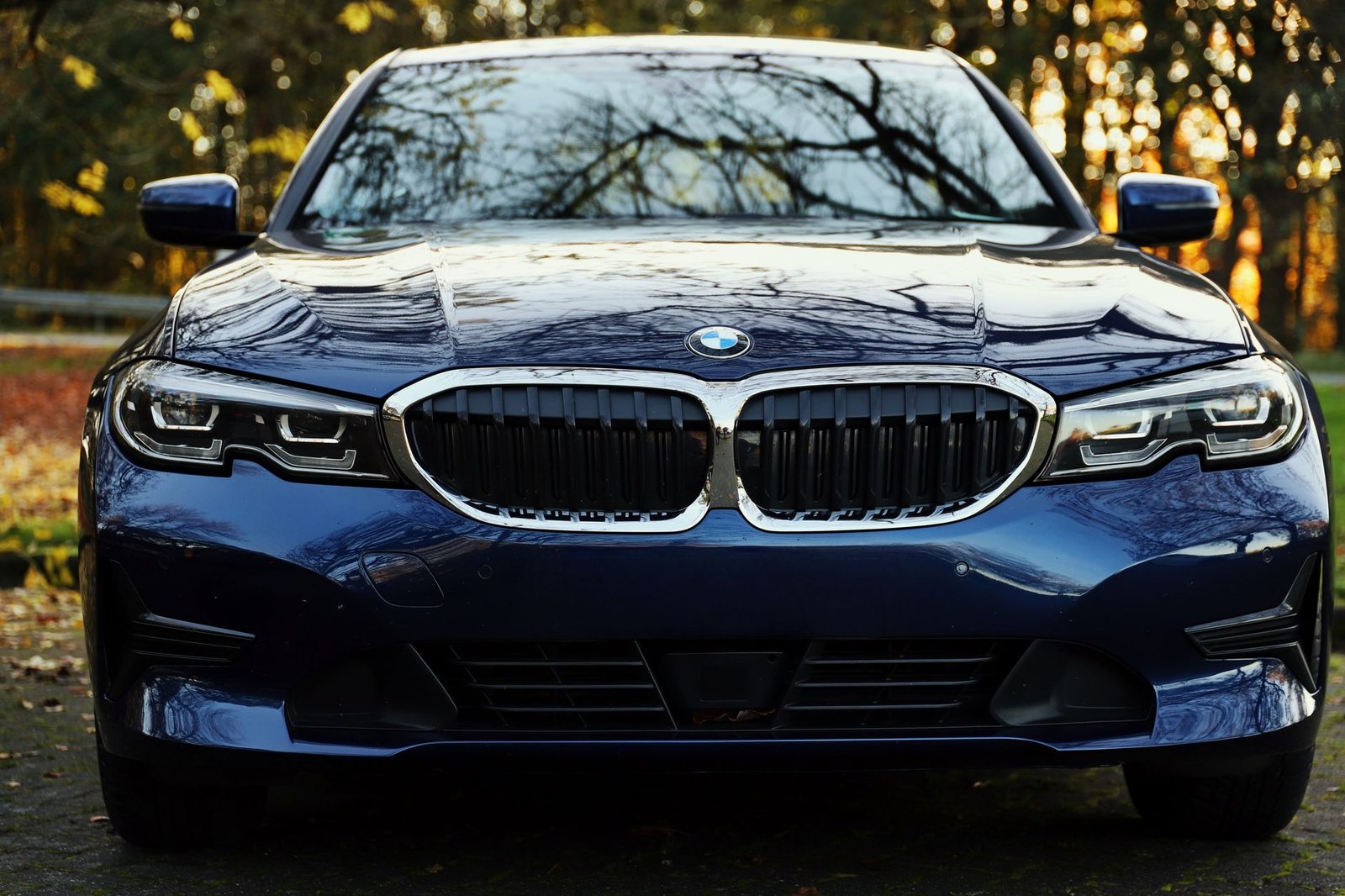
BMW’s kidney grille stands as one of the most distinctive and debated design elements in automotive history. For nearly a century, this iconic feature has defined the brand’s visual identity and sparked passionate discussions among enthusiasts and critics alike. The grille’s evolution reflects not only changing aesthetic preferences but also the technological advancements and design philosophies that have shaped BMW through different eras.
The Origins of BMW’s Signature Design
The kidney grille first appeared on BMW vehicles in the 1930s, specifically on the BMW 303 model. This wasn’t merely a decorative element—it served a functional purpose, housing the radiator and cooling systems essential to the vehicle’s operation. The vertical, kidney-shaped design became an immediate trademark, distinguishing BMW automobiles from competitors and establishing a visual language that would endure for generations. The grille’s unique proportions and positioning became so synonymous with the brand that it transformed from a functional component into a symbol of BMW engineering excellence and luxury.
The Classic Era: 1960s to 1980s
During the 1960s and 1970s, BMW refined the kidney grille into what many consider its most elegant form. Models like the 2002 and early 3 Series featured proportionally balanced grilles that complemented the overall vehicle design without overwhelming the front fascia. These iterations maintained the functional cooling requirements while achieving a harmonious aesthetic balance. The grille became increasingly recognized as a status symbol, with enthusiasts able to identify any BMW model from the front view alone. This era established the kidney grille as an unquestionable brand identifier across luxury vehicle segments.
The Modern Evolution: 1990s to 2000s
As BMW expanded its lineup and competed in increasingly diverse market segments, the kidney grille underwent subtle but significant transformations. The 5 Series and 7 Series models of the 1990s featured larger, more prominent grilles that conveyed presence and authority on the road. These designs balanced proportional growth with refined detailing, maintaining the iconic shape while adapting to contemporary styling trends. The grille’s size and treatment varied across model lines, creating visual hierarchy that helped differentiate entry-level models from flagship vehicles. This period demonstrated BMW’s ability to evolve a classic design element without abandoning its core identity.
The Controversial Modern Interpretation
The 2020s have witnessed perhaps the most dramatic transformation of the kidney grille in BMW’s history. Recent models, particularly the iX and newer M-badged vehicles, feature dramatically oversized grilles that have generated considerable debate within the automotive community. While some view this bold approach as a necessary evolution for a brand entering the electric vehicle era, others see it as a departure from the refined proportions that defined BMW’s design heritage. These larger grilles accommodate modern cooling requirements for hybrid and electric powertrains while making a distinctly contemporary statement. The shift reflects BMW’s commitment to electric vehicle innovation and its willingness to challenge design conventions.
Design Philosophy and Brand Identity
The kidney grille’s evolution reveals deeper insights into BMW’s design philosophy and brand positioning. Each generation’s interpretation of this feature reflects the company’s response to market demands, technological requirements, and aesthetic trends. The grille serves as a visual anchor that connects BMW’s past to its future, maintaining brand recognition across radical styling changes. Whether admired or criticized, the kidney grille remains BMW’s most instantly recognizable design element, comparable to other automotive icons like Porsche’s ducktail spoilers or Mercedes-Benz’s three-pointed star. This consistency in a signature feature has proven invaluable for brand loyalty and market positioning.
Future Directions and Design Considerations
As BMW continues developing fully electric vehicles and exploring autonomous driving technologies, the kidney grille’s role may continue evolving. Electric vehicles require different cooling solutions than traditional combustion engines, potentially influencing future grille designs. BMW’s design team faces the challenge of maintaining brand identity while accommodating new technological requirements and emerging design trends. The grille will likely remain central to BMW’s visual language, though its form may continue surprising both enthusiasts and skeptics.
The kidney grille’s near-century journey demonstrates that enduring design elements achieve longevity not through stagnation but through thoughtful evolution. BMW’s willingness to reinterpret this signature feature while maintaining its essential character has allowed the brand to remain relevant across dramatically different automotive eras. Whether you view the current generation of grilles as bold innovation or controversial design, there’s no denying their role in BMW’s ongoing design narrative and brand identity.