Toyota has built its reputation around cars that start every morning and rack up 200,000 miles without drama. That reputation is earned, but it’s not the same as perfect. Over the past two decades, Toyota has had real defects, real class-action settlements, and real recalls owners should know about before they get stuck with a repair bill or a car they can’t sell.
We have covered every problem in this guide from NHTSA complaint and recall data, court filings from the actual class action settlements, and repair-cost data from RepairPal and CarComplaints. Where a fix exists, the article explains what it actually involves and what it costs, not just that “a recall was issued.”
This isn’t a “years to avoid” scare piece. Most Toyotas of most years are still good buys. But a few specific defects recur across different models, and knowing them before you buy, or before your check engine light comes on, will save you money.
- Most Common Toyota Problems
- Need to Know
- When to Stop Driving Your Toyota (and What to Do Next)
- Common Toyota Problems by Model
- Common Toyota Troubleshooting Problems
- Most Common Toyota Problems After 100k Miles
- Common Toyota Engine Problems That Show Up at Higher Mileage
- Maintenance Tasks That Prevents The Costly Toyota Failures
- Toyota Model Years with the Most Problems
- Toyota Model Years with the Fewest Problems
- Frequently Asked Questions
Most Common Toyota Problems
The most common problems in Toyota include oil consumption in early (2AZ-FE and 2AR-FE) four-cylinder engines, melting dashboards on 2000s Camrys and Siennas, frame rust on older Tacomas and Tundras, the 12V battery fire risk on 2013-2018 RAV4s, shudder in the newer 8-speed automatic transmission, coolant and water pump failures, and a Denso fuel pump defect that can stall the engine. Here’s each one in detail.
Need to Know
- Most problems cluster in narrow year ranges, not the whole brand. Oil consumption, dashboard melting, frame rust, and transmission shudder each hit specific model years, not every Toyota ever built.
- The RAV4 battery fire issue is a free fix. 2013-2018 RAV4s covered under recall 23TA13 get a new 12V battery and hold-down bracket at no cost. Check your VIN before paying for anything.
- Oil consumption is engine-specific, not brand-wide. Only the 2AZ-FE (2006-2011) and 2AR-FE (2009-2015) four-cylinders burn oil abnormally fast. Most other Toyota engines don’t have this defect.
- The frame rust settlement has mostly closed. The $3.4 billion Tacoma, Tundra, and Sequoia settlement stopped accepting new claims for most VINs, so a rusted frame today is usually an out-of-pocket repair.
- A stall or no-start is often the fuel pump recall, not a dead battery. The Denso low-pressure fuel pump recall covers 3.34 million Toyota vehicles from 2013-2020, and the repair is free once you confirm it on your VIN.
Excessive Oil Consumption (2AZ-FE and 2AR-FE Engines)
Problem:
Certain four-cylinder engines built between 2006 and roughly 2015 had defective piston rings that let oil burn off far faster than normal. Some owners reported burning a quart every 1,000 to 1,200 miles. The affected vehicles include the 2007-2009 Camry, 2007-2011 Camry Hybrid, 2009 Corolla, 2009 Matrix, 2006-2008 RAV4, 2007-2008 Solara, 2007-2009 Scion tC, and 2008-2009 Scion xB with the 2AZ-FE engine.
Solution:
Monitor your oil level between changes rather than trusting the dashboard light to warn you early enough. If you confirm consumption of more than a quart per 1,200 miles, a dealer can do a teardown and replace the piston rings. But go for the independent shops, as they can do the same job for less. Budget $2,000 to $4,000 for the repair out of pocket. If you’re shopping used and see one of these model years, ask for oil-change records and check the dipstick yourself before buying.
The Sticky, Melting Dashboard
Problem:
Dashboards on several Toyota and Lexus models from the 2000s crack, turn shiny, and get sticky in heat and humidity. It’s not cosmetic only. The reflective glare off a melted dash can genuinely obstruct your view of the road.
The vehicles named in the lawsuits and Toyota’s own warranty program (called ZE6) are the 2003-2005 4Runner, 2005-2010 Avalon, 2007-2011 Camry and Camry Hybrid, 2004-2010 Sienna, and 2004-2008 Solara, along with several Lexus models from the same era. Toyota agreed to cover roughly 3.5 million dashboards under this program, but the coverage window has since expired for most vehicles.
Solution:
You may contact a dealer or body shop for a replacement that runs about $1,500 to $2,000. There are also aftermarket dashboard restoration kits that clean and recoat the surface for well under $100, which won’t last as long as a factory replacement but will kill the glare and stickiness.
Frame Rust on Trucks and SUVs
Problem:
2005-2010 Tacoma, 2007-2008 Tundra, and 2005-2008 Sequoia trucks used frames that weren’t properly treated against corrosion. In salt-belt states, these frames can rust through and perforate, which is a structural safety issue, not just an eyesore. Toyota settled a class action in 2016 for $3.4 billion, covering free frame inspections and full frame replacements (worth around $15,000 each) for trucks with perforation of 10mm or more. That claim window has since closed for most VINs.
Solution:
If you’re buying a used truck from this era, get under it with a flashlight and a mechanic before you sign anything, especially if the truck spent time in the Rust Belt or near the coast. Look for flaking, bubbling paint on the frame rails and rear crossmember. If you already own one and the settlement window is closed for your VIN, an independent frame shop can weld in reinforcement plates for a few thousand dollars, well under the cost of a full frame swap.
RAV4 12V Battery and Electrical Fire Risk (2013-2018)
Problem:
In 2013-2018 RAV4s, the positive terminal on the 12V battery can short against the battery hold-down frame. That can cause a sudden loss of power while driving, stalling, or in rare cases a fire in the engine bay. NHTSA opened a formal investigation in 2021 covering roughly 1.85 million vehicles. Toyota issued a voluntary recall (23TA13) in November 2023 after the investigation found more than 100 fires linked to the issue.
Solution:
Check your VIN against Toyota’s recall lookup. If it’s included, the dealer will install an improved battery and hold-down bracket at no cost. If you replace your own 12V battery on one of these RAV4s, use the correct size and make sure the hold-down frame is properly seated, since improper installation was flagged as a contributing factor in several incidents.
8-Speed Transmission Shudder and Whine
Problem:
Toyota’s Direct Shift 8AT transmission, built with Aisin, shows up in the 2018-2024 Camry, 2017-and-newer Highlander, 2017-2020 Sienna, and 2019-2022 Avalon (along with several Lexus models). Owners report a shudder at light throttle, hesitation between gears, and a high-pitched whine, and in more serious cases the transmission fails outright. Lawsuits over this transmission have been filed as recently as 2025, and Toyota has not issued a blanket recall.
Solution:
If you notice a shudder between 25 and 50 mph under light acceleration, don’t wait it out. Get the transmission control module reflashed first, which is the cheapest fix at under $300. If the shudder continues, the torque converter or valve body may need replacement, which runs $3,500 to $5,500. A full transmission replacement, if it comes to that, can run $6,000 to $7,500.
Water Pump and Coolant Leaks
Problem:
This shows up in a few different forms depending on the model. Early Prius hybrids (2004-2007) had an electric water pump for the hybrid components that could fail and put the car into fail-safe mode, which led to a recall of 650,000 vehicles.
Separately, the 2020 Camry, Camry Hybrid, and 2019-2020 RAV4 and RAV4 Hybrid models had a porosity defect in the engine block casting that let coolant leak internally, covered under recall 20TA04. On older V6 engines across several models, the mechanical water pump simply wears out at the weep hole around 90,000 to 130,000 miles, which is normal wear rather than a defect.
Solution:
If you own a car covered by either recall, check your VIN, since both repairs are free. For the ordinary weep-hole wear on higher-mileage V6 engines, a water pump replacement runs $500 to $1,500 depending on labor to access it. Don’t ignore a sweet smell or a coolant puddle under the front of the engine. It’s cheaper to catch a leaking water pump early than after it’s cooked a serpentine belt or overheated the engine.
Infotainment and Electrical Glitches
Problem:
Older Entune systems (roughly 2013-2018) are known for freezing screens, dropped Bluetooth connections, and backup cameras that go black intermittently. These aren’t safety recalls in most cases, just genuinely annoying software bugs that Toyota has been slow to patch on older head units.
Solution:
A soft reset (holding the power button for 10-15 seconds) clears most freezes. If the system reboots repeatedly, check for a head unit software update at the dealer, since several updates have been pushed specifically for Entune stability. If the screen itself is physically failing, expect $400 to $900 for a replacement head unit depending on trim.
Corolla CVT Shudder and Limp Mode (2014-2019)
Problem:
The CVT introduced in the 2014 Corolla can develop a shudder or jerkiness during acceleration from a stop, along with high RPM before the transmission engages. In more serious cases, a faulty solenoid inside the CVT wears out and puts the car into “limp mode,” capping the speed at around 35-40 mph. A separate, smaller recall covered roughly 3,400 2019 Corolla hatchbacks with a defective torque converter that needed full CVT replacement.
Solution:
A CVT fluid change every 30,000 to 60,000 miles, well short of Toyota’s “lifetime fluid” language, meaningfully reduces the odds of this happening. If the shudder has already started, a dealer can update the transmission control software, which resolves it in many cases for the cost of a service visit. If the solenoid or torque converter is already damaged, a CVT unit replacement runs $2,500 to $4,500.
Also Read: Best Toyota SUV Models
When to Stop Driving Your Toyota (and What to Do Next)
- Sudden Power Loss or Stalling: If the engine suddenly loses power or stalls while you’re driving, pull over as soon as it’s safe. Don’t try to limp it home, especially in traffic. This can point to a failing fuel pump or an electrical fault, and either one can leave you stranded somewhere worse than the shoulder.
- Burning Smell or Smoke From the Engine Bay: Stop the car and get away from it and don’t pop the hood to look right away. A burning smell or visible smoke usually means oil or fluid hitting a hot surface, or a wiring issue, and neither is worth investigating up close before you know what’s causing it.
- Brake Warning Light With a Soft or Sinking Pedal: This isn’t a “get it checked this week” situation. A soft or sinking pedal alongside the warning light usually means you’re losing brake fluid, and that can worsen with every stop.
- Steam or a Fast-Rising Coolant Temperature: Shut the engine off as soon as it’s safe rather than trying to drive further. Continuing to run a severely overheating engine is how you turn a coolant leak into a warped head or a blown head gasket. Let it cool fully before you check fluid levels or add anything.
- Grinding or Popping Noises From Underneath (Trucks): On an older truck, a grinding or popping sound from underneath, especially over bumps, is worth an immediate frame inspection. This is a common warning sign in rust-prone Tacomas and Tundras, and it’s not something to schedule for “whenever you get a chance.”
Common Toyota Problems by Model
| Model | Problems | Typical Mileage | What To Do | Typical Repair Range |
|---|---|---|---|---|
| Camry (2007-2011) | Oil consumption (2AZ-FE), melting dashboard | 60,000-100,000 mi | Oil consumption test and piston replacement; dashboard replacement or restoration kit | $2,000-$4,000 (engine) $1,500-$2,000 (dashboard) |
| Camry (2018-2024) | 8-speed transmission shudder, whine | 30,000-70,000 mi | Transmission control module reflash; torque converter or valve body replacement | $200-$300 (reflash) $3,500-$5,500 (torque converter/valve body) |
| Corolla (2014-2019) | CVT shudder, limp mode | 30,000-90,000 mi | CVT fluid service, software update, or unit replacement | $150-$300 (fluid service) $2,500-$4,500 (CVT replacement) |
| RAV4 (2006-2008) | Oil consumption (2AZ-FE) | 60,000-100,000 mi | Oil consumption test and piston replacement | $2,000-$4,000 |
| RAV4 (2013-2018) | 12V battery short, fire risk | Any mileage | Free recall repair (23TA13) | $150-$200 |
| Highlander (2014-2019) | AC blower motor failure, V6 water pump leak, hybrid inverter coolant pump | 90,000-130,000 mi | Replace blower resistor, water pump, or inverter pump | $150-$450 (blower) $500-$1,500 (water pump) $700-$1,100 (inverter pump) |
| Sienna (2004-2010) | Melting dashboard | 80,000-120,000 mi | Dashboard replacement or restoration kit | $1,500-$2,000 |
| Sienna (2011-2016) | Sliding door latch/motor recall | Any mileage | Free recall repair (G04) | Free under recall |
| Tundra (2007-2008) | Frame rust | 80,000+ mi | Inspection, frame reinforcement, or replacement | $4,000-$8,000 |
| Tacoma (2005-2010) | Frame rust | 80,000+ mi | Inspection, frame reinforcement, or replacement | $4,000-$8,000 |
| Venza (2009-2015) | Oil consumption (2AR-FE), V6 water pump leak, valve cover gasket leak | 80,000-130,000 mi | Piston ring fix under ZE7 warranty if eligible; water pump/gasket replacement | $0-$3,500 (oil consumption) $300-$700 (water pump) $200-$600 (gasket) |
Common Toyota Troubleshooting Problems
If your Toyota suddenly stalls or won’t start, don’t assume it’s just a dead battery. Denso, Toyota’s affiliated parts supplier, produced a defective low-pressure fuel pump used across 2013-2020 model years. Toyota alone recalled 3.34 million vehicles for it, including the 4Runner, Camry, Highlander, Land Cruiser, Sequoia, Sienna, Tacoma, Tundra, Avalon, Corolla, and Yaris. The symptom is a rough-running engine, dashboard warning lights, and a stall that may not restart. Check your VIN on NHTSA’s recall site first, since the fix is free.
A check engine light with a rough idle on an older four or six-cylinder is most often ignition coils or a failing PCV valve, both are under $200 fixes in most cases. Warm air from the AC vents usually traces back to the blower motor resistor rather than the compressor itself, which is the cheaper of the two possible repairs.
If a hybrid model throws warning lights across the dash, test the small 12V accessory battery before assuming the main hybrid battery has failed. A dead 12V battery causes confusing warnings that get blamed on the hybrid system far more often than it’s actually the culprit.
Also Read: Toyota Aristo 2JZ
Most Common Toyota Problems After 100k Miles
Past the 100,000-mile mark, most Toyota issues stop being defects and start being ordinary wear. Suspension bushings, struts, and wheel bearings wear out around this point on nearly every model. Water pumps on engine-driven cooling systems (not the hybrid electric ones covered above) commonly start weeping around 100,000 to 130,000 miles.
Oxygen sensors and catalytic converters begin tripping P0420 and P0430 codes as they age, which is normal degradation rather than a design flaw. By this point, spark plugs and ignition coils on high-mileage four- and six-cylinder engines are routine maintenance, not a warranty claim. And on trucks, this is the mileage range where a frame inspection becomes worth doing annually if you’re in a road-salt state, regardless of whether your VIN falls inside an old settlement window.
Common Toyota Engine Problems That Show Up at Higher Mileage
The most common Toyota engine problems that show up at higher mileage are oil consumption in the 2AZ-FE and 2AR-FE four-cylinders, water pump wear at the weep hole, failing oxygen sensors and catalytic converters, worn-out spark plugs and ignition coils, and valve cover gasket leaks on Venza models. Most of these aren’t defects at this stage, they’re just what wears out on any engine that’s covered 100,000-plus miles.
- Oil consumption (2AZ-FE, 2AR-FE): Shows up as early as 60,000 to 100,000 miles on affected engines, well before typical wear-related burn-off would start.
- Water pump weep hole wear: Common between 90,000 and 130,000 miles on engine-driven cooling systems, usually announced by a coolant puddle or sweet smell under the front of the engine.
- Oxygen sensor and catalytic converter degradation: Triggers P0420 or P0430 codes as sensors age past 100,000 miles, normal wear rather than a design flaw.
- Spark plugs and ignition coils: Routine replacement territory on high-mileage four- and six-cylinder engines, not a warranty issue.
- Valve cover gasket leaks (Venza): Shows up in the same 80,000 to 130,000-mile window as the Venza’s oil consumption and water pump issues.
Maintenance Tasks That Prevents The Costly Toyota Failures
- Watch Oil Level on 2AZ-FE and 2AR-FE Engines: These engines are known for burning oil faster than the dash light accounts for. Check the dipstick by hand every few fill-ups instead of waiting for a warning, and top off as needed. Letting the level run low for even a short stretch is what leads to the scored cylinder walls and rod knock these engines are known for.
- Give Hybrid Cooling Systems Extra Attention: Beyond the standard engine coolant flush, hybrid models run a second loop that cools the inverter and power electronics. It’s smaller, easy to overlook, and rarely mentioned at a quick-lube shop.
- Change CVT or 8-Speed Fluid Early: Don’t take “lifetime fluid” at face value. Get it changed every 30,000 to 60,000 miles instead. Some Toyota dealers will tell you it’s unnecessary, so an independent shop that’s willing to do it is often the easier route. A fluid change now is a lot cheaper than a transmission that starts shuddering later.
- Inspect Truck Frames Annually in Salt Belt States: Even if your truck doesn’t qualify for a rust settlement, or the settlement window has passed, get the frame looked at every year if you’re in a state that salts the roads. Surface rust is manageable – Rust that’s eaten through a crossmember isn’t.
- Check Your VIN Against NHTSA Recalls Yearly: The fuel pump, RAV4 battery, and dashboard recall programs mentioned above all rolled out in phases over months or years. If you bought your Toyota used, there’s a real chance a notification letter went to a previous owner and never reached you. Check your VIN on nhtsa.gov once a year to make sure you’re not driving around on an open recall.
Toyota Model Years with the Most Problems
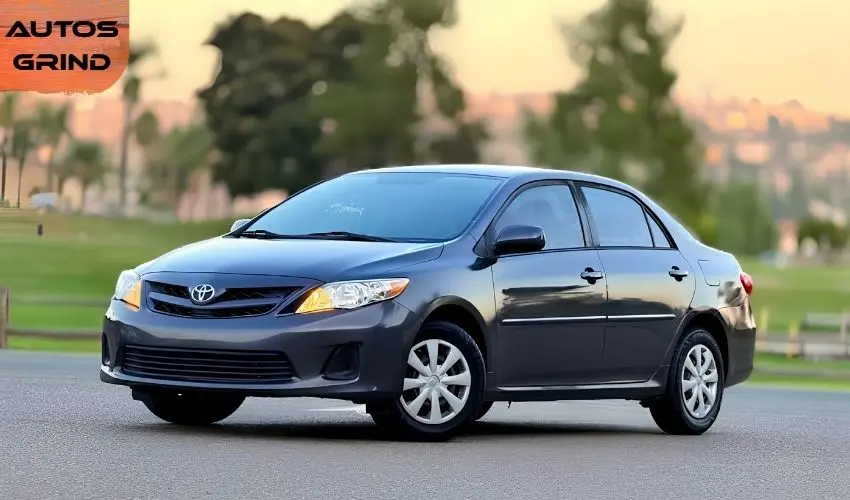
The Toyota model years with the most complaints include 2007-2011 (Camry, Corolla, RAV4, Solara, Scion tC/xB), 2005-2010 Tacoma and Tundra, 2005-2008 Sequoia, 2009-2011 Venza, 2013-2018 RAV4, and 2018-2020 Camry, Highlander, and Sienna.
2007-2011 Camry, Corolla, RAV4, Solara, and Scion tC/xB
This window carries the 2AZ-FE oil consumption defect, and several of these same models also carry the melting dashboard issue. If you’re looking at a used car from this stretch, ask specifically whether the dashboard was already replaced under warranty, since a cracked or melted dash on a car this old is a sign the previous owner never got it addressed.
2005-2010 Tacoma and Tundra, 2005-2008 Sequoia
These carry the frame rust risk that led to Toyota’s rust settlement. Even outside salt belt states, it’s worth having a shop put the truck on a lift and inspect the frame directly rather than trusting a visual check from underneath in a driveway.
2009-2011 Venza
This generation had its own oil consumption problem, separate from the 2AZ-FE issue in other models, plus a cluster of airbag and equipment complaints. It’s a less commonly discussed problem year than the Camry or Tacoma issues above, so it’s easy for a buyer to miss if they’re only researching the more well-known defects.
2013-2018 RAV4
This range carries the 12V battery fire risk. If you’re looking at a RAV4 from these years, check whether the battery has already been replaced under the relevant recall or service campaign before you buy.
2018-2020 Camry, Highlander, and Sienna
These carry the 8-speed transmission shudder. It’s worth a longer test drive than usual, including some stop-and-go driving, since the shudder tends to show up during low-speed shifts rather than at highway speed.
Toyota Model Years with the Fewest Problems
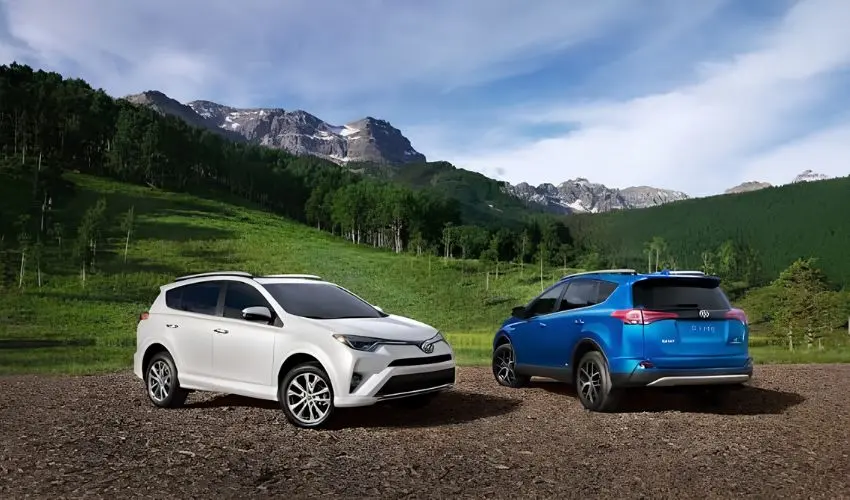
The most trouble-free Toyota years are the 2015-2017 Camry, Corolla, and RAV4, plus the 2020-and-newer Corolla and Highlander models.
2015-2017 Camry, Corolla, and RAV4
This is a genuinely good stretch to buy in. By this point, most of the oil-consumption and dashboard-warranty programs had already caught and repaired the worst-affected cars, and the newer 8-speed transmission issues hadn’t started yet, since that transmission didn’t arrive until 2017-2018 depending on the model.
2020-and-Newer Corolla
As part of the redesigned TNGA platform, this generation mostly avoids the older defect clusters entirely. It’s a newer enough design that it hasn’t had time to develop its own long-term problem pattern yet, but nothing widespread has shown up so far.
2020-and-Newer Highlander
Same TNGA-platform benefit as the Corolla above. It sidesteps the older defect clusters, though buyers should still check for open recalls on any individual vehicle before purchase.
Frequently Asked Questions
Most Toyotas need an oil change every 5,000 to 10,000 miles depending on conventional versus synthetic oil, not the “lifetime interval” some owners assume.
Toyota head gaskets aren’t a widespread issue like the transmission shudder or dashboard defects. Failures happen occasionally on higher-mileage engines from overheating or coolant leaks, but Toyota has no recall or class action tied to a head gasket design flaw.
Older Toyotas, 2015 and earlier, are reliable overall but carry known defects tied to specific years, like 2AZ-FE oil consumption from 2006 to 2011 and frame rust on trucks from 2005 to 2010.
Unreliability in Toyotas usually traces to one specific engine, transmission, or component tied to a narrow production window, not a brand-wide quality drop.
Check the service records, accident history, rust, oil leaks, transmission, warning lights, recalls, and have an independent mechanic inspect it before purchase.
The Toyota models with the most complaints are the 2007-2011 Camry, Corolla, and RAV4 for oil consumption, the 2005-2010 Tacoma and Tundra for frame rust, and the 2013-2018 RAV4 for its 12V battery fire risk.
Sources: National Highway Traffic Safety Administration (NHTSA) recall and complaint databases, iSeeCars reliability data, RepairPal repair cost data, CarComplaints.com, Toyota Technical Service Bulletins (TSBs), and court filings from Toyota class action settlements.