Massive Vehicle Recall in China: 3 Million Teslas Affected
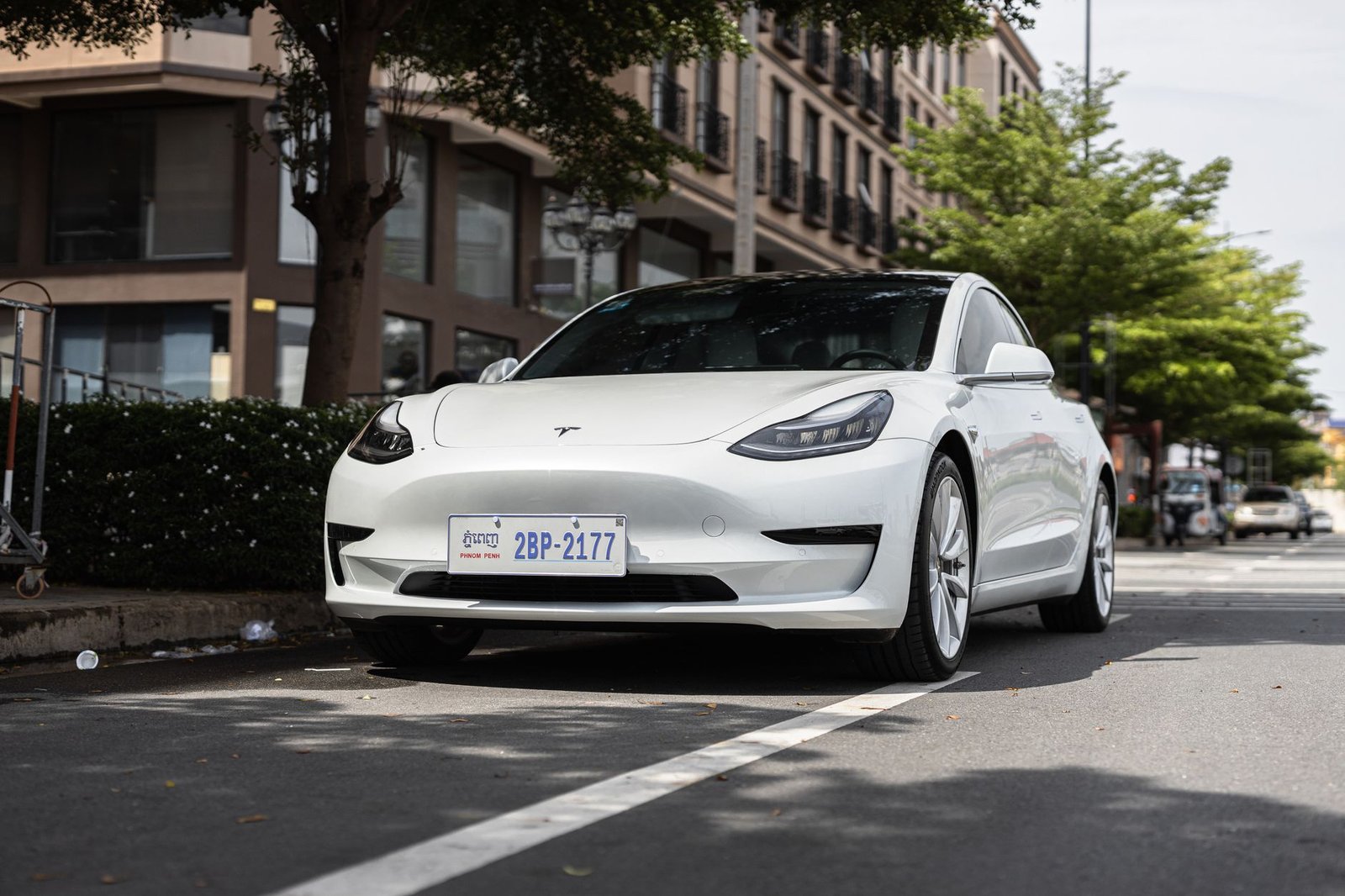
China has initiated one of the largest vehicle recalls in recent history, affecting approximately 4.3 million vehicles. The recall specifically targets door handle malfunctions that make doors unnecessarily difficult to open. Among the affected vehicles, a staggering 3 million units are Tesla vehicles, representing a significant safety concern for Chinese consumers and the broader automotive market.
This unprecedented recall demonstrates the Chinese government’s commitment to vehicle safety standards and consumer protection. The defective door handles pose a genuine safety risk, particularly in emergency situations where quick vehicle egress is critical. The issue affects multiple vehicle models and manufacturers, highlighting a systemic concern within the automotive supply chain.
Tesla’s Role in the Recall
Tesla vehicles comprise the majority of this recall, accounting for nearly 70% of the affected units. The door handle defect could impair occupants’ ability to exit vehicles quickly during emergencies, including accidents, fires, or other hazardous situations. This safety vulnerability prompted Chinese regulatory authorities to mandate immediate corrective action from manufacturers.
The recall represents a significant operational and financial impact for Tesla’s Chinese operations. As the company’s largest market outside the United States, China’s regulatory scrutiny underscores the importance of maintaining rigorous quality control standards in manufacturing and component sourcing.
Broader Implications for Vehicle Safety
This recall exemplifies the critical importance of government oversight in the automotive industry. Regulatory agencies play an essential role in identifying safety defects and compelling manufacturers to address issues before they result in injuries or fatalities. The Chinese government’s proactive approach demonstrates how effective regulatory frameworks protect consumers from preventable harm.
The door handle issue, while seemingly minor, represents a serious safety vulnerability. In emergency scenarios, every second counts. Difficult-to-operate door handles could delay evacuation, potentially leading to injuries or worse outcomes. This is precisely the type of defect that regulatory bodies must identify and address swiftly.
What Vehicle Owners Should Know
Owners of affected vehicles should expect communications from manufacturers regarding repair procedures and timelines. Most recalls of this magnitude are addressed through dealer visits where defective components are replaced or adjusted at no cost to consumers. Vehicle owners are encouraged to contact their dealerships promptly to schedule service appointments.
The recall process typically involves software updates, mechanical adjustments, or component replacements. Tesla and other affected manufacturers will provide detailed instructions and support to ensure all vehicles are brought into compliance with safety standards.
The Importance of Regulatory Oversight
This recall underscores why robust government regulation of the automotive industry remains essential. Safety defects that manufacturers might overlook or delay addressing can have serious consequences. Regulatory agencies serve as critical checkpoints, ensuring that vehicles meet minimum safety standards before reaching consumers.
The scale of this recall—affecting millions of vehicles—demonstrates that even major manufacturers can miss safety issues during development and production. Government oversight catches these problems and ensures corrective action, protecting public safety and maintaining consumer confidence in vehicle reliability.