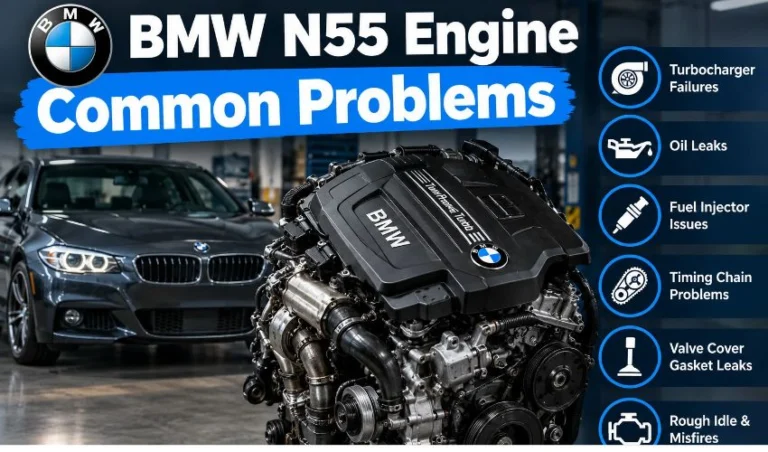
That burnt-oil smell after a long drive and a dark, damp line along the top of your engine are classic signs of a leaking valve cover gasket. It’s one of the most common engine seals to wear out, but catching it early can save you from bigger repair bills down the road.
- What Is a Valve Cover Gasket and What Does It Do?
- What Are the Symptoms of a Bad Valve Cover Gasket?
- What Causes a Valve Cover Gasket to Fail?
- How Is a Valve Cover Gasket Replaced?
- How Much Does Valve Cover Gasket Replacement Cost?
- Can You Drive With a Leaking Valve Cover Gasket?
- How Can You Prevent Valve Cover Gasket Failure?
- Bottom Line
Valve Cover Gasket: Quick Facts
- Average lifespan: 60,000 to 100,000 miles
- Average replacement cost: $100 to $400
- Common cause of failure: heat cycling and rubber hardening
- DIY difficulty: Easy to moderate on most 4-cylinder engines
This guide is based on common manufacturer service data, industry repair cost estimates, and widely reported mechanic diagnostics available at the time of publication.
What Is a Valve Cover Gasket and What Does It Do?
A valve cover gasket is a seal made of rubber, cork, or silicone that sits between the valve cover and the cylinder head. Its job is simple but critical: it keeps engine oil inside the valvetrain area while sealing out dirt, dust, and moisture. Without a tight seal, oil can seep out and contaminate other engine components, including spark plugs and ignition coils.
Most engines have one valve cover gasket per cylinder bank. That means a four-cylinder engine typically has one gasket, while a V6 or V8 engine has two, one for each cylinder head.
What Are the Symptoms of a Bad Valve Cover Gasket?
The most obvious symptom is visible oil residue around the top of the engine, usually along the seam where the valve cover meets the cylinder head. Other signs often show up before or alongside the leak itself.
- A burning oil smell, especially after highway driving or when the engine is hot
- Visible smoke coming from the engine bay
- Low oil level on the dipstick without an obvious cause
- Rough idle or misfires caused by oil fouling spark plugs
- An illuminated check engine light tied to a misfire code
Warning Signs Checklist
| 🔸 Oil stains on top of engine |
| 🔸 Burning smell after driving |
| 🔸 Smoke near the engine bay |
| 🔸 Unexplained oil loss |
| 🔸 Rough idle or misfire |
What Causes a Valve Cover Gasket to Fail?
Heat and age are the two biggest culprits. Every time an engine runs, the gasket material expands and contracts. Over tens of thousands of heat cycles, rubber and cork gaskets harden, crack, or shrink, losing their ability to form a tight seal.
Other contributing factors include:
- Overtightened or unevenly torqued valve cover bolts
- Old or degraded engine oil that breaks down gasket material faster
- Excessive engine vibration from worn motor mounts
- Extreme temperature swings in very hot or very cold climates
How Is a Valve Cover Gasket Replaced?
Replacement involves removing the valve cover, cleaning the mating surfaces, and installing a new gasket before reseating the cover. While it sounds straightforward, the difficulty depends heavily on the engine layout.
Typical Replacement Steps
- Disconnect the battery and remove any components blocking access to the valve cover
- Remove the valve cover bolts in the correct sequence
- Lift off the valve cover and discard the old gasket
- Clean the cylinder head and valve cover surfaces thoroughly
- Install the new gasket and reseat the cover
- Torque the bolts to the manufacturer’s specification in the correct pattern
- Reconnect components and check for leaks after the engine runs
On many four-cylinder engines, this job can be done in under two hours. On V6 and V8 engines, especially those with the valve cover tucked under the intake manifold or firewall, labor time and cost rise significantly.
How Much Does Valve Cover Gasket Replacement Cost?
Most drivers pay between $100 and $400 for a professional valve cover gasket replacement, depending on the engine type and labor rates in their area. Parts alone are inexpensive, usually $20 to $60, but labor makes up the bulk of the bill.
| Engine Type | Parts Cost | Labor Cost | Total Estimate |
|---|---|---|---|
| 4-Cylinder | $20 to $40 | $80 to $150 | $100 to $190 |
| V6 | $30 to $60 | $150 to $300 | $180 to $360 |
| V8 | $40 to $70 | $200 to $400 | $240 to $470 |
Cost-Saving Tip
If you’re comfortable with basic tools, replacing the gasket yourself on a four-cylinder engine can cut your total cost down to just the price of the gasket kit, often under $50.
Can You Drive With a Leaking Valve Cover Gasket?
You can drive short term with a minor leak, but it’s not something to ignore for long. A small leak can quickly turn into a bigger problem if oil drips onto a hot exhaust manifold, creating a fire risk, or if it seeps into spark plug wells and causes misfires.
If you notice a strong burning smell, visible smoke, or a check engine light, it’s best to get the gasket inspected and replaced as soon as possible rather than waiting for a complete failure.
How Can You Prevent Valve Cover Gasket Failure?
Regular maintenance goes a long way toward extending gasket life. Sticking to your manufacturer’s recommended oil change intervals keeps old, degraded oil from breaking down the gasket material prematurely.
- Use the correct oil type and viscosity for your engine
- Have valve cover bolts checked for proper torque during routine service
- Address oil leaks early before they spread to other components
- Keep an eye on motor mounts, since excess vibration can loosen the seal over time
Bottom Line
A valve cover gasket is a small part with a big job, and letting it fail can lead to oil loss, misfires, and even fire hazards if ignored. The good news is that replacement is relatively affordable and straightforward on most engines, especially when caught early. Watch for oil stains, burning smells, or rough idling, and get the gasket checked at the first sign of trouble to keep your engine running clean and reliable.