Most car trouble doesn’t show up overnight. It builds slowly through a tire losing air, a belt wearing thin, or an oil change pushed back one too many times. A simple routine catches these problems early, before they turn into expensive repairs or a breakdown on the road.
- What Should You Check Before Driving Every Day?
- What Maintenance Tasks Need Monthly Attention?
- Which Services Are Based on Mileage Instead of Time?
- How Often Should Fluids Be Changed?
- What Happens If You Skip Routine Maintenance?
- How Can You Build a Maintenance Schedule That Actually Works?
- Bottom Line
Quick Snapshot: Car Maintenance Checklist
| Frequency | Key Tasks |
| Daily | Tire pressure, lights, fluid leaks, dashboard warnings |
| Monthly | Oil level, wiper blades, battery terminals, tire tread |
| Mileage-Based | Oil changes, rotations, brake pads, filters, fluid flushes |
This checklist is based on common manufacturer service guidelines and publicly available maintenance recommendations at the time of publication.
What Should You Check Before Driving Every Day?
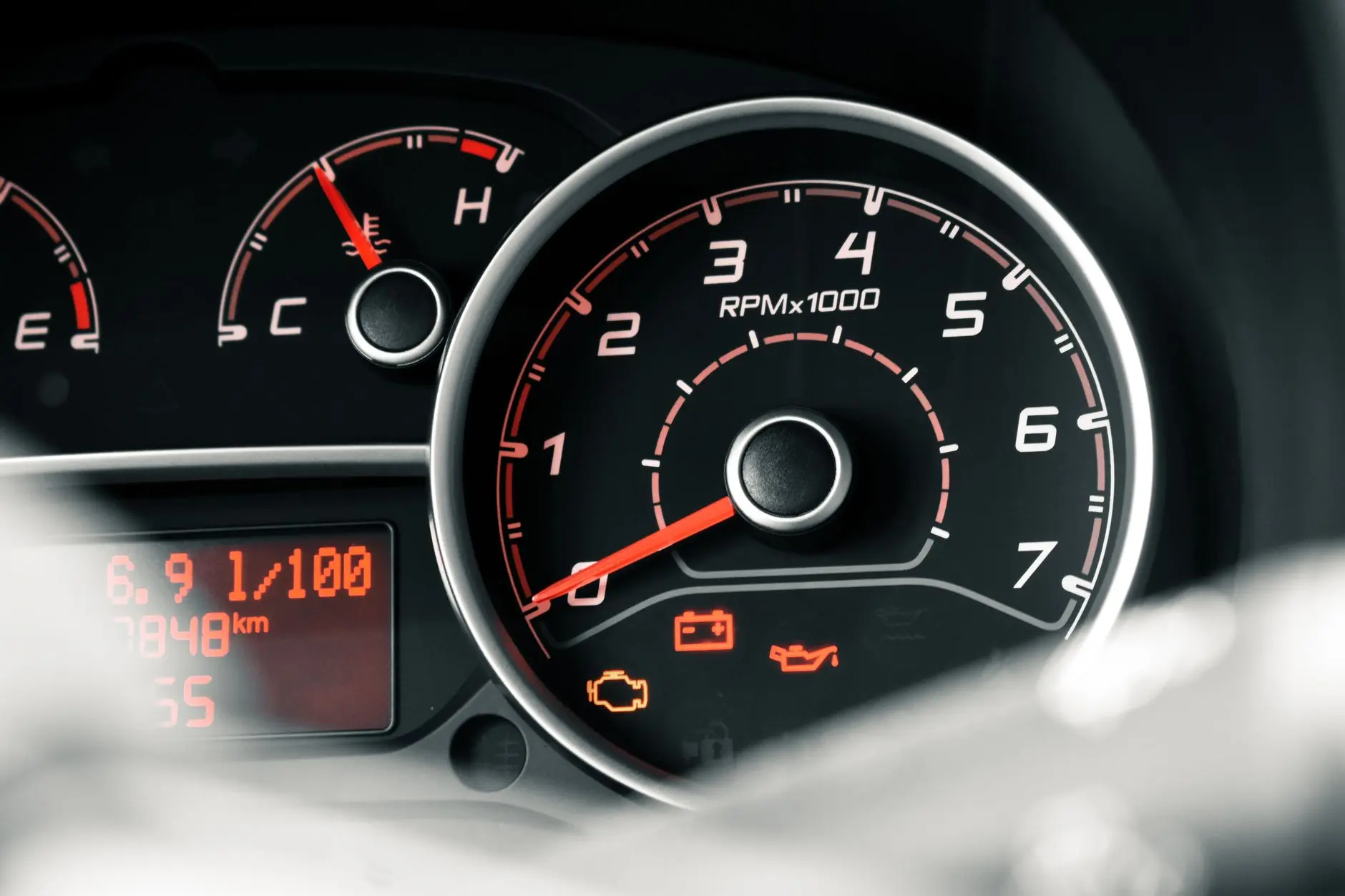
Before starting the engine, a quick walkaround and dashboard glance can catch most early warning signs. Look at tire pressure since underinflated tires wear faster and hurt fuel economy. Check headlights, taillights, and turn signals so other drivers can see your intentions clearly. Scan for fresh fluid spots under the car, which often point to a leak starting somewhere in the engine or transmission. Finally, glance at the dashboard for any warning light that wasn’t there yesterday. None of this takes more than two minutes, but it’s the fastest way to catch a small problem before it grows.
What Maintenance Tasks Need Monthly Attention?
Monthly checks go a bit deeper than the daily glance and focus on wear items that change gradually. Pop the hood and check the oil level using the dipstick, topping off if it’s low. Inspect wiper blades for cracking or streaking, especially before rainy seasons. Check the battery terminals for corrosion buildup, which can cause starting issues. Also run a hand over the tire tread to feel for uneven wear patterns that might signal an alignment issue. These checks take about fifteen minutes and help you stay ahead of anything that daily checks might miss.
Which Services Are Based on Mileage Instead of Time?
Mileage-based services depend on how much the car is actually used rather than the calendar. Oil changes typically fall between every 5,000 and 7,500 miles for conventional engines, though synthetic oil can stretch that range further. Tire rotations usually happen every 5,000 to 8,000 miles to keep wear even across all four tires. Brake pads need inspection around 20,000 to 30,000 miles depending on driving style and conditions. Air filters, cabin filters, and spark plugs follow their own longer intervals, often tied to 30,000-mile or 60,000-mile marks.
| Mileage | Typical Service |
|---|---|
| 3,000 – 5,000 miles | Oil and filter change |
| 5,000 – 8,000 miles | Tire rotation |
| 20,000 – 30,000 miles | Brake pad inspection |
| 30,000 miles | Air filter and cabin filter replacement |
| 60,000 miles | Spark plugs, coolant flush, transmission fluid check |
How Often Should Fluids Be Changed?
Fluids degrade at different rates, so each one follows its own schedule rather than a single blanket rule. Engine oil is the most frequent, needing attention every few thousand miles as discussed above. Coolant generally lasts between 30,000 and 60,000 miles before it needs flushing, depending on the type used. Brake fluid should be checked yearly since it absorbs moisture over time, which can reduce braking performance. Transmission fluid intervals vary widely by vehicle, ranging from 30,000 miles to over 100,000 miles for some sealed systems. Checking the owner’s manual for exact intervals is the safest way to avoid guesswork here.
What Happens If You Skip Routine Maintenance?
Skipping routine maintenance usually doesn’t cause immediate failure, but it quietly shortens the life of major components. Old oil loses its ability to lubricate properly, which speeds up engine wear and can lead to costly damage over time. Worn brake pads left unchecked can damage rotors, turning a simple pad replacement into a much pricier rotor job. Underinflated tires wear unevenly and reduce fuel efficiency, while a weak battery left unmonitored often fails at the worst possible moment. Small neglected issues rarely stay small, and they tend to compound into bigger repair bills down the road.
Cost of Neglect vs. Routine Care
- Regular oil change: $40-$80
- Engine damage from old oil: $2,000+
- Brake pad replacement: $150-$300
- Rotor and caliper damage from worn pads: $500-$900
- Tire rotation: $20-$50
- Premature tire replacement from uneven wear: $600-$1,000 for a full set
How Can You Build a Maintenance Schedule That Actually Works?
The easiest way to build a schedule that sticks is to tie tasks to habits you already have. Check tire pressure and lights every time you fill up with gas, since that’s a routine stop anyway. Set a monthly reminder on your phone for the deeper checks like oil level and wiper condition. For mileage-based services, many cars already track this through the dashboard display, or you can jot down mileage in a notebook or app after each fill-up. Following the owner’s manual as the baseline and adjusting for your specific driving conditions, like towing or short city trips, keeps the schedule realistic instead of just copied from a generic chart.
Bottom Line
Car maintenance doesn’t need to be complicated to be effective. A two-minute daily glance, a fifteen-minute monthly check, and staying on top of mileage-based services cover almost everything that keeps a car safe and reliable. Sticking to this simple rhythm costs far less in time and money than dealing with the breakdowns that come from ignoring it.