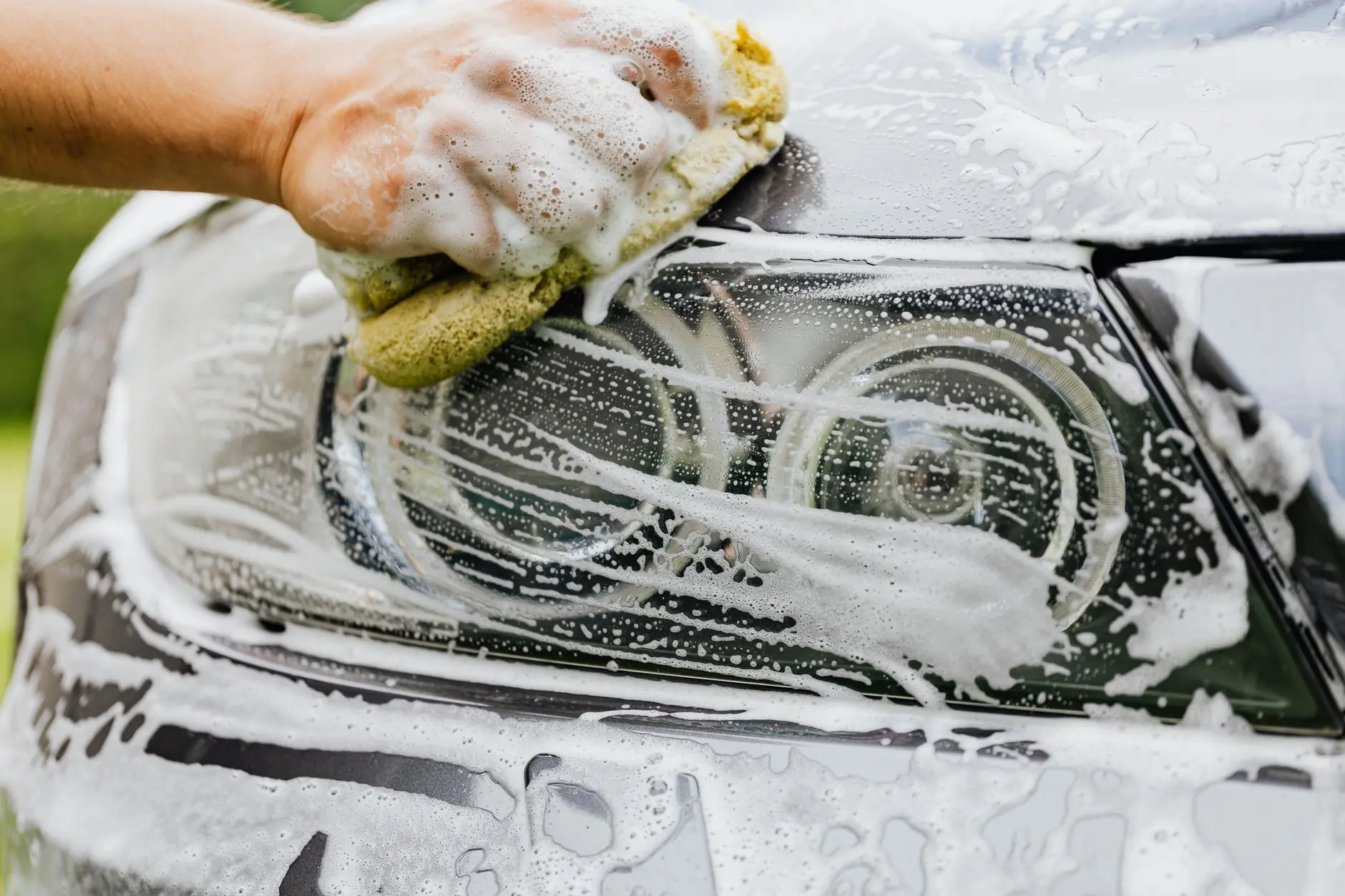
Washing your car isn’t just about making it shine for a weekend drive. The soap you use and the method you follow directly affect how long your paint stays scratch-free and glossy. This guide breaks down the types of car wash soap available, what makes them different, and how to pick the right one for your vehicle.
- What Is Car Wash Soap?
- Why Can't You Use Dish Soap on a Car?
- What Types of Car Wash Soap Are Available?
- How Do pH-Neutral Soaps Work?
- What Is the Two-Bucket Method?
- How Often Should You Wash Your Car?
- What Ingredients Should You Avoid in Car Wash Soap?
- How Do You Choose the Right Soap for Your Car?
- Bottom Line
Quick Facts: Car Wash Soap
- pH-neutral soaps are the safest choice for modern clear coats
- Dish soap strips wax and protective coatings in one wash
- The two-bucket method cuts down swirl marks significantly
- Most cars need a wash every 1-2 weeks depending on exposure
This guide is based on publicly available detailing resources, manufacturer product specifications, and standard car care practices referenced at the time of publication.
What Is Car Wash Soap?
Car wash soap is a cleaning solution formulated specifically to lift dirt, road grime, and contaminants from a vehicle’s exterior without stripping away wax, sealant, or ceramic coatings. Unlike household cleaners, it’s designed to be gentle on clear coats while still being tough enough to cut through baked-on dirt. Most formulas include lubricating agents that help a wash mitt glide across the surface, reducing the chance of fine scratches during the wash.
Why Can’t You Use Dish Soap on a Car?
Dish soap is built to strip grease off plates, and it does the same thing to your car’s wax or sealant layer. That stripping effect leaves paint exposed to UV rays, moisture, and road salt without any protective barrier. Repeated use of dish soap can also dry out rubber trim and seals over time, making them crack faster than they normally would.
What Types of Car Wash Soap Are Available?
There are four main categories of car wash soap, each suited to different needs and skill levels.
pH-Neutral Soap
This is the standard choice for regular maintenance washes. It cleans effectively without disturbing wax or ceramic coatings, making it safe for weekly use.
Waterless Wash
Useful for quick touch-ups when water access is limited. It relies on lubricating polymers to lift light dust without a hose or bucket.
Foam Wash
Applied through a foam cannon or gun, this type coats the car in thick suds that help loosen dirt before any physical contact, lowering scratch risk.
Degreasing Soap
A stronger formula meant for heavily soiled areas like wheel wells or engine bays. It’s not meant for regular paint washing since it can be too harsh for clear coats.
| Soap Type | Best For | Wax Safe? | Frequency |
|---|---|---|---|
| pH-Neutral | Regular washing | Yes | Weekly |
| Waterless Wash | Light dust, quick cleans | Yes | As needed |
| Foam Wash | Pre-wash, reducing contact | Yes | Every wash |
| Degreasing Soap | Wheels, engine bay | No | Occasional |
How Do pH-Neutral Soaps Work?
pH-neutral soaps are formulated to sit close to a neutral 7 on the pH scale, which means they clean without reacting aggressively with wax, sealant, or ceramic coatings. This balance allows the soap to break down dirt and grime while leaving protective layers intact. Because they’re gentle, these soaps are considered the safest default option for anyone washing their car at home.
Did You Know?
A single wash with dish soap can remove up to 100% of a fresh wax layer, according to detailing industry testing. That’s why professional detailers never recommend it for car exteriors.
What Is the Two-Bucket Method?
The two-bucket method uses one bucket filled with soap and water and a second bucket filled with plain rinse water, both fitted with grit guards at the bottom. After washing a section of the car, you rinse your wash mitt in the plain water bucket before dipping it back into the soap bucket. This prevents dirt particles from being reintroduced into the soap mixture, which is one of the biggest causes of swirl marks and fine scratches on paint.
How Often Should You Wash Your Car?
Most vehicles benefit from a wash every one to two weeks, though this depends heavily on exposure to road salt, dust, tree sap, and bird droppings. Cars driven in coastal areas or regions with heavy winter salting need more frequent washing to prevent corrosion. If you notice contaminants sitting on the paint for more than a few days, it’s worth washing sooner rather than waiting for a scheduled clean.
What Ingredients Should You Avoid in Car Wash Soap?
Avoid soaps containing high concentrations of ammonia, bleach, or strong solvents, since these can damage paint, trim, and rubber seals over repeated use. Many bargain soaps also pack in excessive sudsing agents that look impressive but provide little actual cleaning benefit while making rinsing harder. Reading the ingredient list or at least checking for a pH-neutral or wax-safe label on the bottle helps avoid these issues.
Washing Checklist
- Rinse the car first to remove loose dirt
- Use pH-neutral soap and a microfiber wash mitt
- Follow the two-bucket method
- Dry with a microfiber towel to prevent water spots
How Do You Choose the Right Soap for Your Car?
Choosing the right soap comes down to matching the formula to your car’s current protection and your washing routine. If your car has a fresh wax or ceramic coating, stick with pH-neutral soap to preserve it. If you’re dealing with heavy grime on wheels or trim, a separate degreasing soap works better than trying to stretch your regular wash soap to do a job it wasn’t designed for. For those short on time, a quality foam wash paired with a waterless option for quick touch-ups covers most situations without extra effort.
Bottom Line
The right car wash soap protects your paint while making the cleaning process easier and safer. Stick with pH-neutral formulas for regular washes, save dish soap for the kitchen, and follow the two-bucket method to keep swirl marks away. A little attention to the products you use now saves you from costly paint correction work later.