The Ultimate Road Trip Showdown: Three Powertrains Tested
When planning a long road trip, choosing the right vehicle can make or break your experience. We decided to settle the debate once and for all by taking three popular vehicles on a 750-plus-mile journey: a Tesla Model 3 electric vehicle, a Honda Accord Hybrid, and a Volkswagen Jetta powered by a traditional gasoline engine. Each represents a different approach to automotive propulsion, and each comes with distinct advantages and disadvantages for extended highway driving.
Understanding the Three Powertrains
Before we hit the road, it’s important to understand what makes each vehicle unique. The Tesla Model 3 represents the future of automotive technology, relying entirely on battery power with zero emissions. The Honda Accord Hybrid combines a gasoline engine with an electric motor, optimizing efficiency by switching between power sources depending on driving conditions. The Volkswagen Jetta relies on a traditional internal combustion engine, the technology that has powered vehicles for over a century.
Charging Infrastructure and Fueling
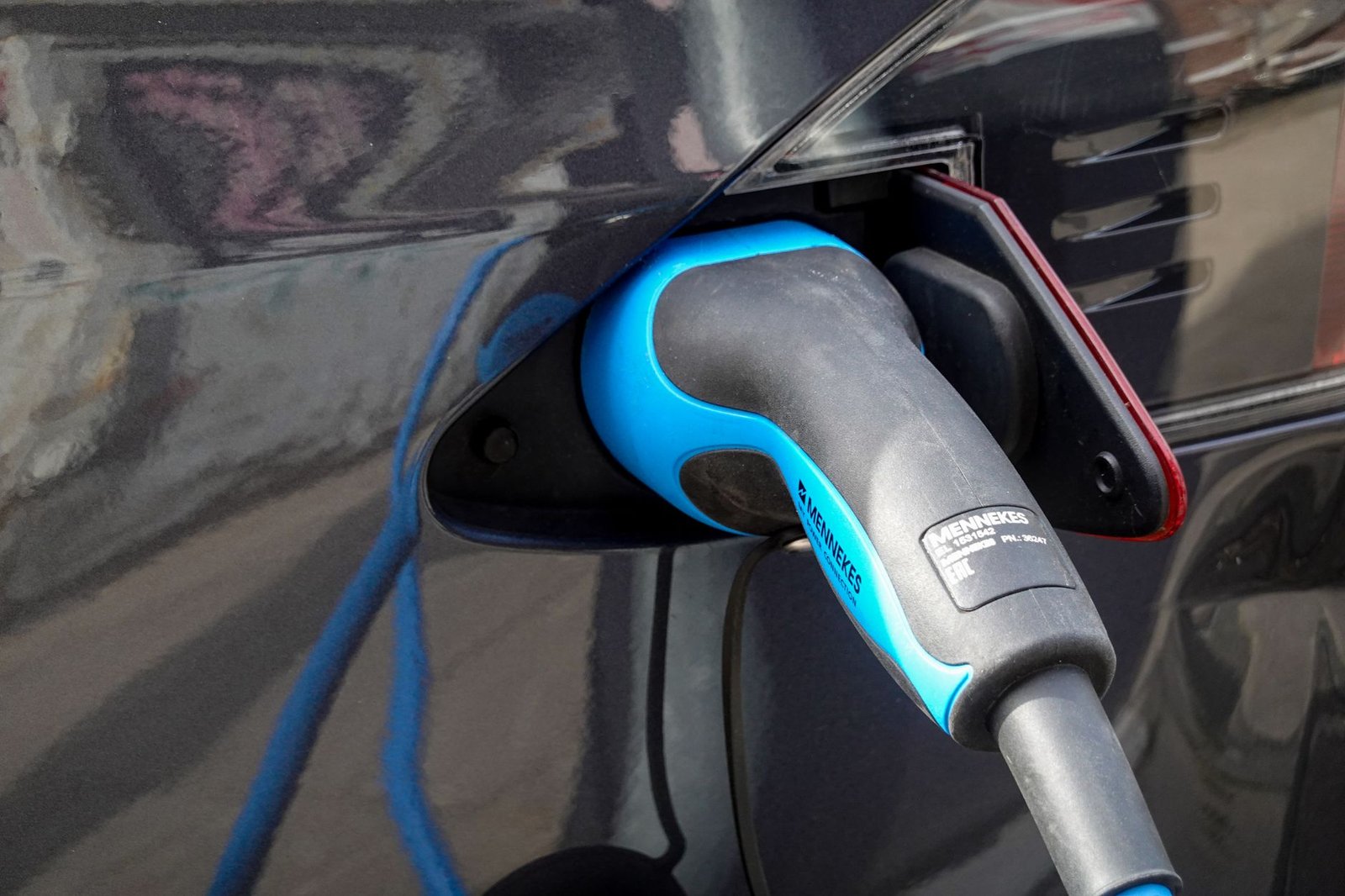
One of the most significant differences between these vehicles becomes apparent when you need to refuel or recharge. The Tesla Model 3 requires access to charging stations, which have become increasingly common across North America but still present challenges in rural areas. The Supercharger network provides rapid charging, though a full charge typically takes 20 to 40 minutes depending on battery level and charger speed. The Honda Accord Hybrid can refuel at any traditional gas station in minutes, providing unmatched convenience and flexibility. The Volkswagen Jetta offers the same refueling simplicity, with gas stations ubiquitous across virtually all regions.
Real-World Efficiency and Costs
Efficiency metrics tell an interesting story for long-distance driving. The Tesla Model 3 achieves approximately 25 to 26 kilowatt-hours per 100 miles, translating to roughly 4 to 5 miles per kilowatt-hour depending on driving conditions and outside temperature. At current electricity rates averaging $0.15 per kilowatt-hour, this works out to approximately $3 to $4 per 100 miles. The Honda Accord Hybrid achieves around 50 miles per gallon on highways, meaning a 750-mile trip requires approximately 15 gallons of fuel. At average gas prices of $3.50 per gallon, fuel costs reach about $52.50 for the journey. The Volkswagen Jetta delivers roughly 35 miles per gallon on the highway, requiring about 21.4 gallons and costing approximately $75 in fuel for the same distance.
Comfort and Convenience Factors
Long road trips demand comfort, and each vehicle handles this differently. The Tesla Model 3 offers a minimalist interior with advanced technology features, including autopilot capabilities that can reduce driver fatigue on monotonous highway stretches. However, the need to plan charging stops adds complexity to route planning. The Honda Accord Hybrid provides traditional comfort with excellent ergonomics, familiar controls, and the flexibility to stop for fuel whenever convenient. The Volkswagen Jetta similarly offers comfortable seating and straightforward functionality, though it lacks the technological refinements of newer vehicles.
Weather and Environmental Considerations
Environmental conditions significantly impact electric vehicle performance. Cold temperatures reduce battery efficiency and charging speed, potentially adding hours to a winter road trip. The Tesla Model 3’s range decreases by 20 to 40 percent in freezing conditions. The Honda Accord Hybrid and Volkswagen Jetta experience minimal performance degradation in cold weather. Conversely, the Tesla produces zero emissions and represents the most environmentally conscious choice for drivers prioritizing sustainability.
Reliability and Maintenance
The Tesla Model 3 features fewer moving parts than traditional vehicles, potentially reducing maintenance needs. However, specialized service centers are less common than traditional mechanics. The Honda Accord Hybrid benefits from Honda’s legendary reliability and widespread service availability. The Volkswagen Jetta offers straightforward maintenance at any automotive service facility, with parts readily available and repair costs typically lower than electric or hybrid vehicles.
The Verdict
The best choice depends on your priorities. For maximum efficiency and environmental impact, the Tesla Model 3 excels in regions with robust charging infrastructure. The Honda Accord Hybrid offers the best balance of efficiency, convenience, and range for most travelers. The Volkswagen Jetta provides simplicity and affordability for budget-conscious road trippers. Consider your route, climate, and access to charging or fuel stations when making your decision.