Your mechanic says you need a transmission flush, but the quote feels steep. Before you sign off, it helps to know that a flush and a simple gearbox oil change are not the same job, and your car might only need the cheaper one.
- What's the Difference Between a Gearbox Oil Change and a Transmission Flush?
- How Much Does Each Service Cost in 2026?
- How Often Should You Change Gearbox Oil or Get a Flush?
- Is a Transmission Flush Bad for Older or High-Mileage Vehicles?
- Which Service Does Your Car Actually Need?
- Does Vehicle Type Change the Cost or Recommendation?
- Should You Always Trust the Mechanic's Flush Recommendation?
- Bottom Line
Quick Snapshot: 2026 Pricing
- Gearbox oil change: $80 to $250
- Transmission flush: $150 to $400
- Manual gearbox service: $90 to $200
- Typical interval: 30,000 to 100,000 miles, depending on fluid type and driving habits
This guide is based on current repair shop pricing data and manufacturer service recommendations available at the time of publication, not a personal garage visit.
What’s the Difference Between a Gearbox Oil Change and a Transmission Flush?
A gearbox oil change drains the old fluid through a pan or drain plug and refills with fresh oil, leaving behind whatever residue clings to the torque converter and cooler lines. A transmission flush uses a machine to push new fluid through the entire system under pressure, pulling out nearly all the old fluid including what sits in the converter and cooler.
Think of it like changing the water in a fish tank versus draining and power-washing the whole tank. Both leave you with cleaner water, but one gets into every corner while the other only handles what’s easy to reach.
Gearbox Oil Change: The Basics
This is the simpler, cheaper service. A technician removes the pan, replaces the filter if there is one, and refills with new fluid. It typically replaces 40 to 60 percent of the total fluid volume because the rest stays trapped in the torque converter and cooling lines.
Transmission Flush: The Basics
A flush machine connects to the transmission’s cooler lines and cycles new fluid through the system while pushing the old fluid out. This replaces close to 100 percent of the fluid, including the harder-to-reach areas a basic drain and fill can’t touch.
Fluid Replacement Comparison
Oil Change: 40-60% fluid replaced
Flush: 90-100% fluid replaced
Time Needed: Oil change (30-45 min) vs Flush (45-90 min)
How Much Does Each Service Cost in 2026?
A gearbox oil change generally runs between $80 and $250, while a full transmission flush costs $150 to $400, depending on your vehicle, fluid type, and labor rates in your area.
Luxury vehicles and those requiring specialty synthetic fluid push costs toward the higher end. Dealerships typically charge more than independent shops for the same job, sometimes by $50 to $100.
| Service | Average Cost (2026) | Time Required | Fluid Replaced |
|---|---|---|---|
| Gearbox Oil Change (Automatic) | $80 – $250 | 30-45 minutes | 40-60% |
| Transmission Flush (Automatic) | $150 – $400 | 45-90 minutes | 90-100% |
| Manual Gearbox Oil Change | $90 – $200 | 30-60 minutes | 95-100% |
| CVT Fluid Service | $150 – $350 | 45-75 minutes | 70-90% |
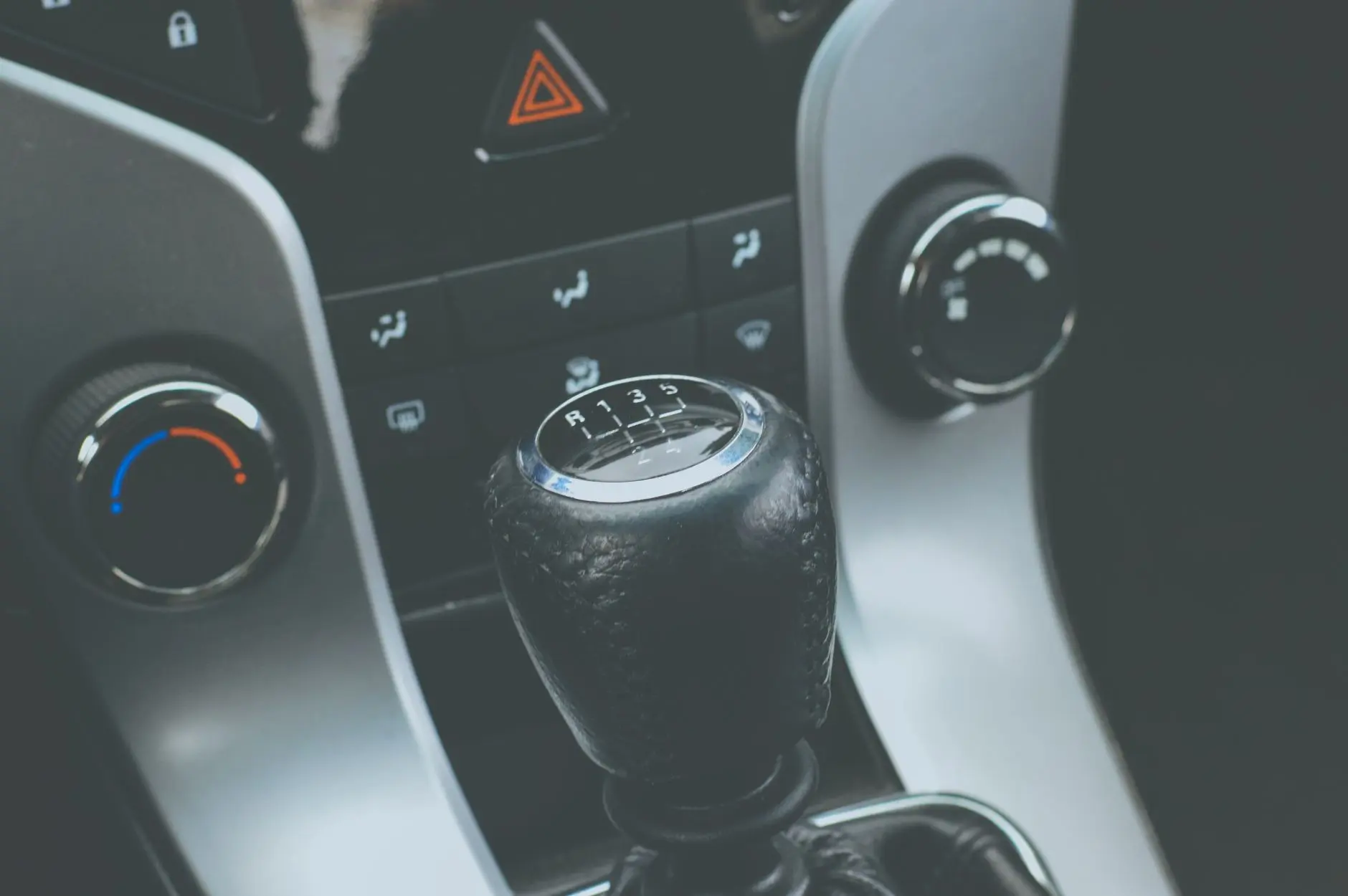
Manual gearboxes are cheaper to service overall since there’s no torque converter or cooler system to deal with. A standard drain and fill on a manual transmission replaces nearly all the fluid already, so a flush service rarely applies here.
How Often Should You Change Gearbox Oil or Get a Flush?
Most manufacturers recommend a gearbox oil change every 30,000 to 60,000 miles, while a full flush can often stretch to 60,000 to 100,000 miles if you’re using long-life synthetic fluid.
Severe driving conditions like towing, stop-and-go city traffic, or extreme heat shorten these intervals. Check your owner’s manual first since manufacturer guidance varies widely between brands and transmission types.
Service Interval Cheat Sheet
- Normal driving: oil change every 45,000-60,000 miles
- Towing or heavy loads: every 25,000-35,000 miles
- Synthetic fluid flush: up to 100,000 miles
- Manual gearbox: every 30,000-60,000 miles
Is a Transmission Flush Bad for Older or High-Mileage Vehicles?
Yes, a flush can sometimes cause problems in older transmissions that have never had fluid serviced, because the high-pressure cleaning action can dislodge built-up debris that was otherwise helping seals stay tight.
If a transmission has gone 100,000 miles or more without any fluid service, a sudden flush can expose worn components to fresh, thinner fluid that no longer has the sludge filling in small leaks or worn clearances. In these cases, many mechanics recommend a simple drain and fill instead, repeated a few times over several months, rather than one aggressive flush.
Which Service Does Your Car Actually Need?
If your transmission fluid is still reasonably clean and your car has a documented maintenance history, a standard gearbox oil change is usually enough. If the fluid looks dark, smells burnt, or hasn’t been touched in well over 60,000 miles, a flush might be worth the extra cost to restore smoother shifting.
Newer vehicles with sealed transmissions and manufacturer-specified long-life fluid often do better with periodic partial drain and fills rather than aggressive flushing, since many of these systems weren’t designed to be opened up frequently.
Signs You Need Service Now
Watch for delayed gear engagement, shifting that feels rough or jerky, a burning smell from under the hood, or fluid that looks brown instead of its usual reddish color. Any of these point to fluid that’s overdue for attention, regardless of which service you choose.
Warning Signs Checklist
Dark or burnt-smelling fluid, delayed shifting, gear slipping, unusual noises while shifting, or fluid leaks near the transmission pan all signal it’s time for service.
Does Vehicle Type Change the Cost or Recommendation?
Yes, vehicle type matters quite a bit. CVTs and dual-clutch transmissions often require specific fluid types and shouldn’t be flushed with generic equipment, which can push costs higher and limit where you can get the service done.
Trucks and SUVs used for towing need more frequent service regardless of mileage, since heat buildup breaks down fluid faster under heavy loads. Electric vehicles with single-speed gearboxes have far simpler needs, often requiring just a basic gear oil check rather than a full service at all.
Should You Always Trust the Mechanic’s Flush Recommendation?
Not necessarily, since flushes often carry higher profit margins for shops, so it’s worth asking why a flush is being recommended over a standard oil change for your specific vehicle and mileage.
A good shop should be able to explain your fluid’s current condition, your transmission’s service history, and why one option makes more sense than the other for your situation. If they can’t give a clear answer, getting a second opinion before committing to the pricier service is a reasonable move.
Bottom Line
A gearbox oil change is the cheaper, lighter-touch option that works well for most routine maintenance, while a transmission flush does a deeper clean but costs more and carries some risk for neglected or older transmissions. Check your fluid condition, your owner’s manual, and your vehicle’s service history before deciding, and don’t be afraid to ask your mechanic why they’re recommending one over the other.