Every drive looks different once the sky changes. A clear morning commute can turn into a slow, careful crawl the moment rain, fog, or ice enters the picture. Drivers who adjust their speed, following distance, and focus based on the weather are far less likely to end up in a crash.
- Rain reduces tire grip by up to 30 percent
- Fog can cut visibility to under 100 feet
- Ice can increase stopping distance by 7 to 10 times
- Glare from low sun delays reaction time
- High winds affect larger vehicles the most
This article is based on general road safety guidance, publicly available weather and driving research, and standard vehicle handling principles.
How does rain change the way you should drive?
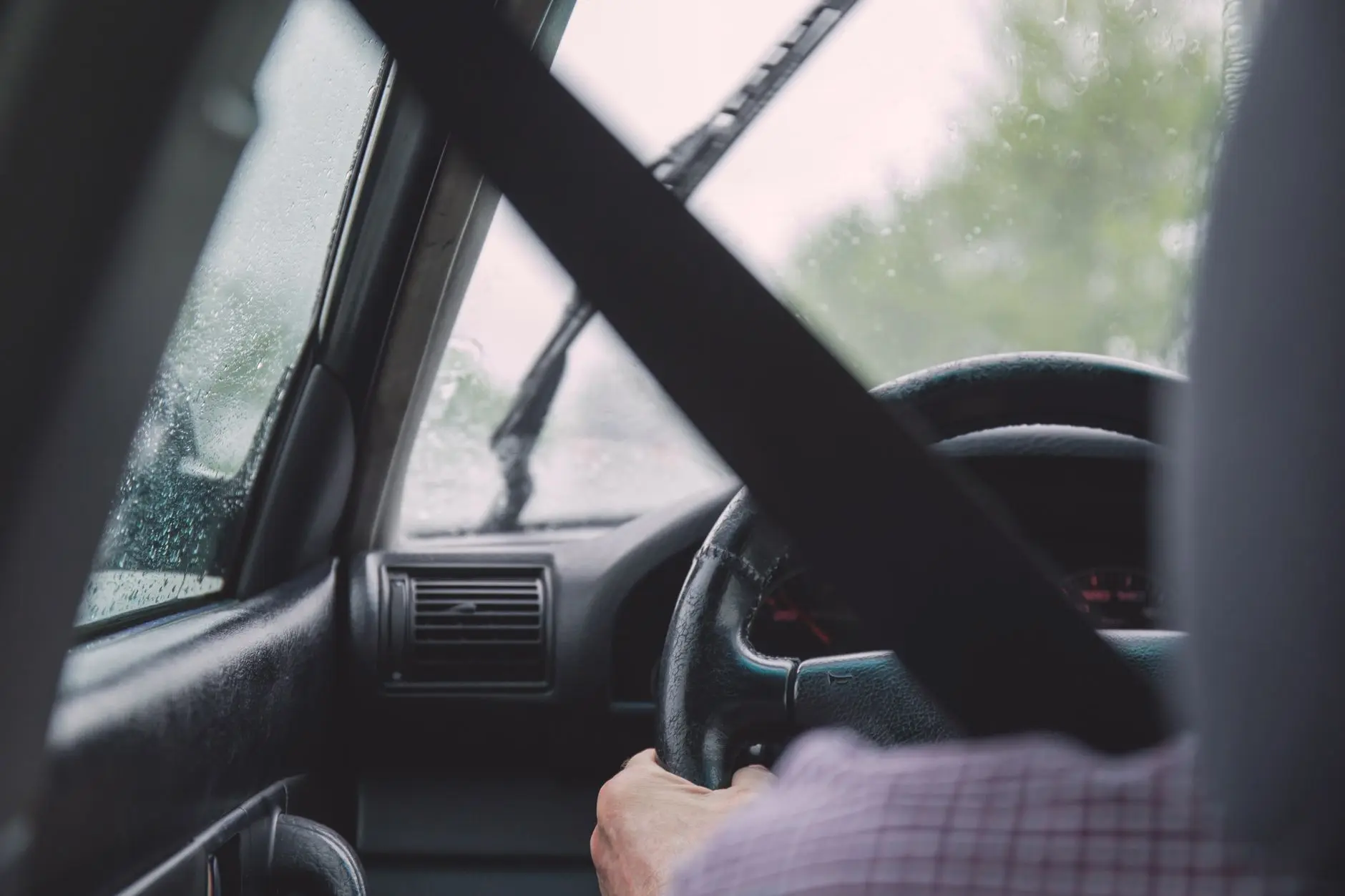
Rain reduces tire grip and increases stopping distance, so slowing down and increasing following distance is the first adjustment every driver should make. Wet roads are most dangerous during the first ten minutes of rainfall, when oil and dust on the surface mix with water to create a slick film.
Drivers should turn on headlights even during daytime showers, since visibility drops for other vehicles as much as it does for the driver. Reducing speed by at least 10 mph below the posted limit on wet roads gives tires more time to maintain contact with the surface.
Hydroplaning Risks
Hydroplaning happens when a layer of water builds between the tire and the road, causing a loss of steering control. Keeping tires properly inflated and avoiding worn treads lowers this risk significantly.
How should drivers handle fog on the road?
Fog calls for low-beam headlights, reduced speed, and increased spacing between vehicles, since visibility can shrink to less than 100 feet in heavy conditions. High beams should be avoided because they reflect off the fog and create more glare, making it harder to see.
Drivers should use the right edge of the road or lane markings as a visual guide instead of relying on taillights ahead, which can create a false sense of safety. Pulling over completely during extremely dense fog is often safer than continuing to drive.
- Use low beams, never high beams
- Slow down well below the speed limit
- Increase following distance to 5+ seconds
- Use fog lights if equipped
- Pull over safely if visibility drops too low
How does ice and snow affect braking and control?
Ice and snow dramatically increase stopping distance and reduce steering response, which means gentle, gradual movements matter more than quick corrections. Stopping distance on ice can be seven to ten times longer than on dry pavement, so early braking is essential.
Accelerating slowly, avoiding sudden lane changes, and leaving extra space from the vehicle ahead all reduce the chance of skidding. Black ice is especially dangerous because it is nearly invisible, often forming on bridges and shaded areas first.
What To Do If You Start Skidding
Steering gently in the direction the vehicle is sliding, rather than overcorrecting, helps regain control faster. Slamming the brakes during a skid usually makes the situation worse.
How does intense sun and glare impact visibility?
Low-angle sun creates glare that can temporarily blind drivers, especially during sunrise and sunset commutes. Keeping sunglasses in the car, using the sun visor, and cleaning the windshield regularly all help reduce the impact of glare.
A dirty windshield scatters sunlight more than a clean one, making visibility worse during these hours. Slowing down slightly when driving directly into the sun gives drivers more time to react to obstacles they may not see clearly.
How does wind affect vehicle handling?
Strong crosswinds can push a vehicle out of its lane, with larger vehicles like trucks, vans, and SUVs being more affected due to their higher profile. Drivers should keep both hands firmly on the wheel and reduce speed when driving through open areas, bridges, or overpasses where wind gusts are strongest.
Passing large trucks during high winds requires extra caution, since a sudden gust can shift both vehicles’ positions unexpectedly.
| Weather Condition | Main Risk | Key Adjustment |
|---|---|---|
| Rain | Hydroplaning, reduced grip | Slow down, increase following distance |
| Fog | Low visibility | Use low beams, reduce speed |
| Ice/Snow | Longer stopping distance | Brake early, avoid sudden moves |
| Sun Glare | Temporary blindness | Use visor, clean windshield |
| Wind | Lane drift | Firm grip, reduce speed near open areas |
What should every driver do regardless of the weather?
Checking the forecast before leaving and adjusting departure time when severe weather is expected is the simplest way to avoid risk altogether. Keeping tires, brakes, wipers, and headlights in good condition ensures the vehicle is ready to respond no matter what conditions appear on the road.
Reducing distractions becomes even more important in bad weather, since drivers need every bit of attention to react to sudden changes in traction or visibility. Carrying an emergency kit with a flashlight, blanket, and basic tools adds an extra layer of safety during long trips in unpredictable weather.
- Check tire tread and pressure
- Test headlights, brake lights, and wipers
- Check the forecast along your full route
- Charge your phone and carry an emergency kit
- Plan extra travel time
Bottom Line
Weather changes how a vehicle handles, how far it takes to stop, and how much a driver can actually see. Slowing down, increasing following distance, and keeping the vehicle well maintained are the simplest ways to stay safe no matter what the sky decides to do. Drivers who treat every forecast as a reason to adjust their habits, rather than ignore it, are the ones who make it home safely.