A rattling noise under the hood on a cold morning is one of the first clues that your timing chain might be wearing out. Left unchecked, a failing timing chain can throw off your engine’s timing completely, leading to rough running or even total engine failure. Here’s what drivers need to know about spotting the problem early and what it takes to fix it.
- What is a timing chain and why does it matter?
- What are the common symptoms of a failing timing chain?
- What causes timing chain problems?
- How much does it cost to repair a timing chain?
- Can you drive with a bad timing chain?
- How do mechanics diagnose timing chain issues?
- How can you prevent timing chain failure?
- Bottom Line
Timing Chain Warning Signs at a Glance
- 🔊 Metallic rattling noise on startup
- ⚠️ Check Engine Light (often code P0016 or P0017)
- 🚗 Rough idling or stalling
- ⛽ Poor fuel economy
- 💨 Engine misfires
- 🛑 Engine fails to start
This article is based on common automotive repair data, manufacturer maintenance guidelines, and general mechanical knowledge available at the time of publication.
What is a timing chain and why does it matter?
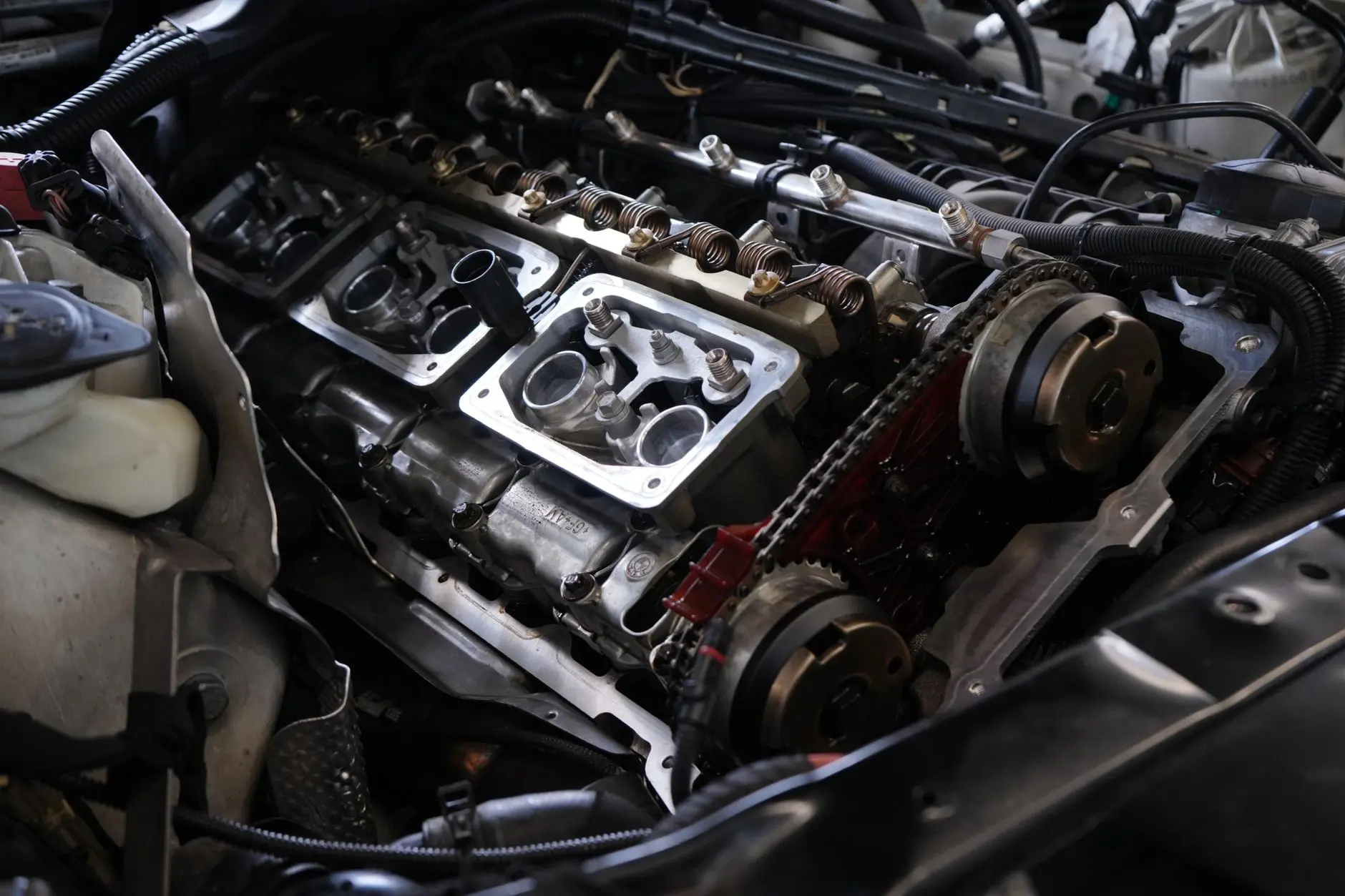
A timing chain is a metal chain that keeps your engine’s crankshaft and camshaft rotating in perfect sync. This synchronization controls when the intake and exhaust valves open and close in relation to the pistons moving up and down. If that timing is off by even a fraction, the engine can run poorly or suffer serious internal damage.
Unlike timing belts, which are made of rubber and need replacement on a set schedule, timing chains are built from metal links and are designed to last the life of the engine. That said, they aren’t indestructible. Wear, poor maintenance, and age can all cause them to stretch, skip, or snap.
What are the common symptoms of a failing timing chain?
The most telling symptom is a metallic rattling or clicking noise coming from the front of the engine, especially right after startup. This happens when the chain has stretched and developed slack, causing it to slap against the engine’s internal components.
Other symptoms include:
- Check Engine Light: Trouble codes like P0016, P0017, or P0021 often point to a camshaft/crankshaft timing misalignment.
- Rough idle: A worn chain can cause the engine to shake or run unevenly while idling.
- Engine misfires: Incorrect valve timing disrupts combustion, leading to misfires and a loss of power.
- Reduced fuel economy: Poor timing means the engine burns fuel less efficiently.
- Engine won’t start: In severe cases, a snapped chain prevents the engine from turning over properly.
What causes timing chain problems?
Timing chains usually fail due to wear over time, but several factors can speed up that process.
Old or dirty engine oil
The timing chain relies on engine oil for lubrication. Skipping oil changes or using the wrong oil grade causes sludge buildup, which accelerates wear on the chain and its tensioner.
Worn chain tensioner
The tensioner keeps the chain tight as it moves. When it wears out, the chain develops slack, which leads to that telltale rattling noise and eventually causes the chain to skip teeth on the gears.
High mileage
While timing chains are built to last, components like guides and tensioners can wear out after 100,000 to 150,000 miles depending on the vehicle and how well it’s been maintained.
Timing Chain vs Timing Belt
| Feature | Timing Chain | Timing Belt |
|---|---|---|
| Material | Metal | Rubber/Reinforced |
| Typical Lifespan | 100,000+ miles (often lifetime) | 60,000 to 100,000 miles |
| Maintenance Schedule | Not routine, replaced on failure | Routine, scheduled replacement |
| Failure Risk | Lower, but costly to fix | Higher if ignored past service interval |
How much does it cost to repair a timing chain?
Replacing a timing chain typically costs between $500 and $1,500, depending on the vehicle and labor rates in your area. Parts alone usually run $100 to $300, but labor makes up the bulk of the bill since the chain is located deep inside the engine and often requires removing other components to access it.
If the chain breaks and damages pistons or valves in the process, the repair bill can climb significantly, sometimes exceeding $3,000 to $5,000 for a full engine rebuild or replacement. Catching the problem early through symptoms like rattling noises can save thousands of dollars in the long run.
Can you drive with a bad timing chain?
Driving with a failing timing chain is risky and not recommended once symptoms appear. A chain that’s stretched or loose can skip a tooth on the camshaft or crankshaft gear, instantly throwing off the engine’s timing.
In interference engines, which make up most modern vehicles, this can cause the pistons to strike the valves, resulting in catastrophic internal damage. If you notice rattling, misfires, or a timing-related check engine light, it’s best to get the vehicle inspected before continuing to drive it regularly.
How do mechanics diagnose timing chain issues?
Mechanics start by scanning for trouble codes using an OBD-II scanner, which can reveal camshaft and crankshaft position correlation errors. They’ll also perform a visual and audible inspection, listening for the characteristic rattle at startup and checking for oil contamination.
In some cases, mechanics use a timing light or remove the timing cover to physically inspect the chain, tensioner, and guides for wear, stretching, or damage. Compression tests may also be used to rule out other causes of rough running before confirming a timing chain issue.
Diagnostic Checklist
- ✅ Scan for trouble codes (P0016, P0017, P0021)
- ✅ Listen for rattling at cold startup
- ✅ Inspect oil condition and level
- ✅ Check chain tensioner for play
- ✅ Perform compression test if needed
How can you prevent timing chain failure?
Regular oil changes are the single most effective way to protect your timing chain. Clean oil keeps the chain, tensioner, and guides properly lubricated, reducing wear over time.
Other preventive steps include:
- Using the manufacturer-recommended oil viscosity and type
- Addressing engine noises or check engine lights promptly
- Avoiding extended idling with low oil levels
- Following your vehicle’s maintenance schedule closely
Routine maintenance won’t guarantee a timing chain lasts forever, but it significantly reduces the odds of premature failure.
Bottom Line
A timing chain is built to last the life of most engines, but neglecting oil changes and ignoring early warning signs can shorten its lifespan dramatically. Catching symptoms like rattling noises or rough idling early can mean the difference between a simple chain replacement and a full engine rebuild. When in doubt, get it checked by a qualified mechanic before the problem turns into a much bigger repair bill.