A truck bed is basically a blank canvas for camping. With a few smart additions, that open cargo space can turn into a weatherproof storage system, a cooking station, or even a full sleeping quarters for your next trip off the grid.
- What Makes a Truck Bed Good for Camping?
- How Do You Protect Your Gear From Weather?
- What's the Best Way to Organize a Truck Bed for Camping?
- Should You Use a Bed Cap, Topper, or Canopy?
- How Do You Turn a Truck Bed Into a Sleeping Area?
- What Storage Solutions Work Best for Camping Gear?
- How Much Does It Cost to Set Up a Camping Truck Bed?
- Bottom Line
Quick Snapshot: Truck Bed Camping Upgrades
- Weather Protection: Tonneau covers, caps, or canopies
- Storage: Drawer systems, totes, cargo nets
- Sleeping: Bed platforms, mattresses, rooftop-style tents
- Power: Portable batteries, solar panels, inverters
- Cost Range: $200 (basic) to $5,000+ (full build)
This article is based on publicly available product information, manufacturer specs, and common setups used by truck camping enthusiasts at the time of publication.
What Makes a Truck Bed Good for Camping?
A truck bed works well for camping because it offers a large, flat, enclosed-adjacent space that can carry gear without taking up cabin room. Unlike an SUV or sedan, the bed keeps dirty, bulky, or smelly items like coolers, firewood, and muddy boots away from passengers. It also gives owners the flexibility to haul large items like kayaks or bikes on the same trip without needing a trailer.
The open design does come with a tradeoff though. Without covers or organization systems, gear is exposed to rain, dust, and theft. That is why most upgrades focus on solving those two problems first: protection and organization.
How Do You Protect Your Gear From Weather?
The simplest fix is adding a tonneau cover, bed cap, or canopy. These accessories keep rain and dust off your gear while also adding a layer of security.
Soft and Hard Tonneau Covers
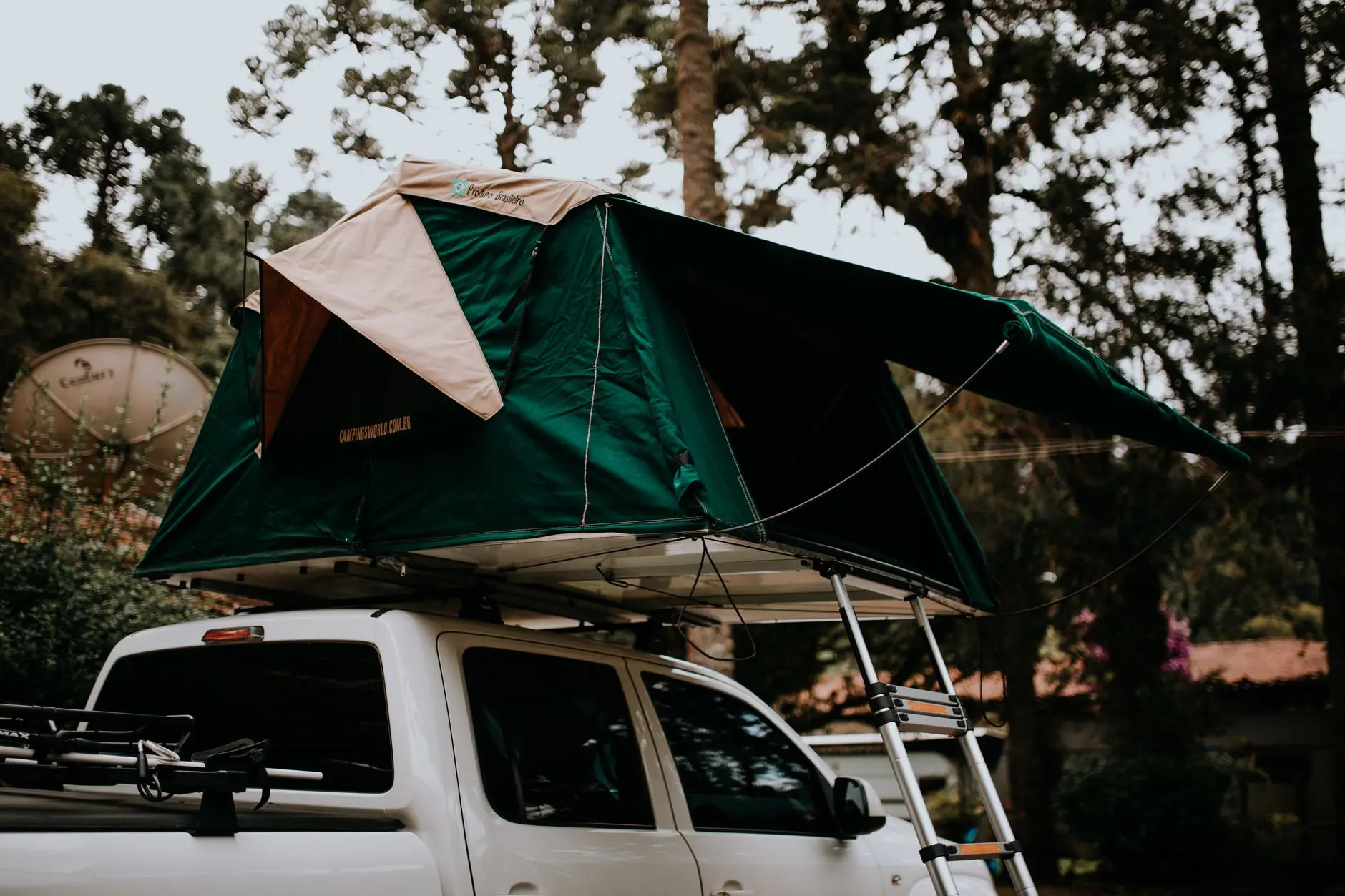
Soft roll-up covers are affordable and lightweight, making them a good entry point for casual campers. Hard covers cost more but offer better protection and can support light weight on top, which is useful for mounting a rooftop tent or cargo box.
Caps and Canopies
Caps add full height coverage, turning the bed into an enclosed space that can double as a sleeping area. Canopies made from fabric and poles are cheaper and easier to remove but offer less insulation and security than a hard cap.
What’s the Best Way to Organize a Truck Bed for Camping?
The best way to organize a truck bed is to separate gear by category using drawers, bins, or modular storage systems. This keeps cooking supplies, tools, and sleeping gear from shifting around or getting buried under each other.
Many campers install slide-out drawer systems that sit flush with the bed floor. These create a flat sleeping surface on top while keeping gear accessible from the tailgate. Stackable plastic totes are a cheaper alternative and still keep items dry and contained.
Cargo Nets and Tie-Downs
Even with bins, a cargo net or tie-down system helps keep everything from sliding during rough roads. This is especially useful for loose items like firewood, camp chairs, or recovery gear.
Should You Use a Bed Cap, Topper, or Canopy?
The right choice depends on budget, climate, and how often you plan to camp. A comparison makes the differences easier to see.
| Option | Weather Protection | Security | Approx. Cost |
|---|---|---|---|
| Soft Tonneau Cover | Moderate | Low | $150 to $400 |
| Hard Tonneau Cover | High | Moderate | $500 to $1,500 |
| Bed Cap / Topper | High | High | $1,000 to $3,000 |
| Fabric Canopy | Low to Moderate | Low | $200 to $600 |
For weekend trips in mild weather, a soft cover or canopy is usually enough. For frequent camping or colder climates, a hard cap offers the best long-term value.
How Do You Turn a Truck Bed Into a Sleeping Area?
Turning a truck bed into a sleeping area starts with building a flat, insulated platform above the wheel wells. This can be done with a simple plywood deck, a foam mattress topper, or a purpose-built sleeping platform sold by aftermarket brands.
Many campers pair this setup with a bed cap or topper to block wind and bugs. Adding a thin foam mat or inflatable mattress on top makes the surface comfortable enough for multi-night trips.
Sleeping Setup Checklist
- Flat platform over wheel wells
- Foam or inflatable mattress
- Bed cap or topper for coverage
- Ventilation gap or cracked window for airflow
- Battery-powered fan for hot nights
What Storage Solutions Work Best for Camping Gear?
Modular drawer systems and weatherproof totes work best because they keep gear separated, dry, and easy to access. Drawers are ideal for long-term setups since they double as a sleeping platform, while totes are better for occasional campers who want a quick, removable solution.
A dedicated cooler mount or slide-out tray is also worth considering. It keeps food and drinks within reach without digging through other gear every time you need something.
How Much Does It Cost to Set Up a Camping Truck Bed?
A basic camping truck bed setup can cost as little as $300 to $500, while a full build with a hard topper, drawer system, and power station can run $4,000 or more. Most campers fall somewhere in between, spending $1,000 to $2,500 for a comfortable, functional setup.
The cost largely depends on how often the truck is used for camping. Occasional campers can get by with basic covers and totes, while frequent off-grid travelers benefit more from investing in a hard topper and built-in storage.
Typical Budget Breakdown
- Basic Setup: Soft cover + totes = $300 to $500
- Mid-Range Setup: Hard cover + drawer system = $1,500 to $2,500
- Full Build: Topper + platform bed + power station = $4,000+
Bottom Line
A truck bed can become one of the most practical camping setups available with just a few key upgrades. Weatherproofing, smart storage, and a comfortable sleeping platform turn an empty cargo space into a functional basecamp on wheels. Whether you spend a few hundred dollars or invest in a full build, the goal stays the same: protect your gear, stay organized, and make the most of the space you already have.