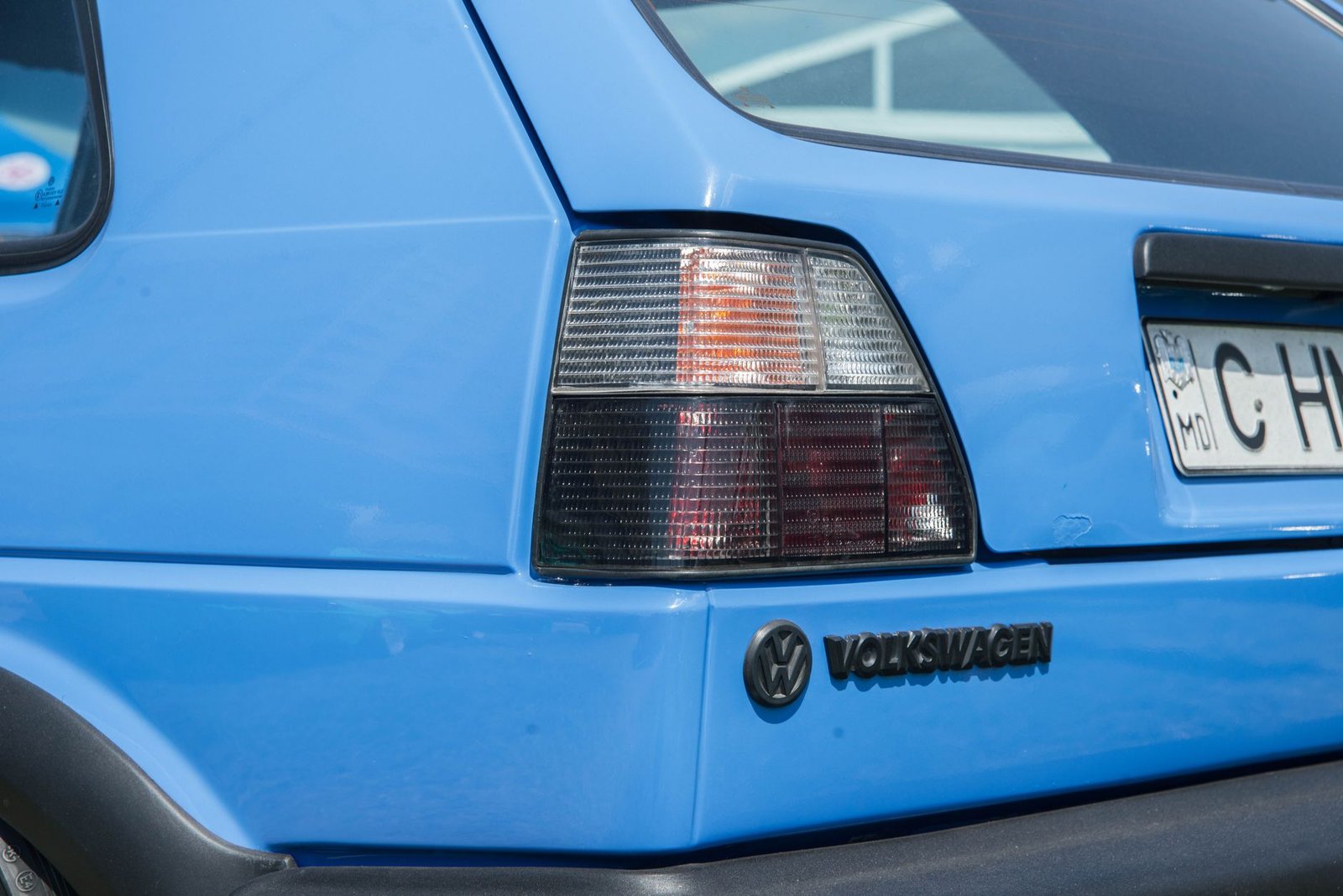
Volkswagen’s Major Restructuring Plan Takes Shape
Volkswagen Group has officially approved a sweeping restructuring strategy that will fundamentally transform the company by 2030. The plan includes eliminating approximately 50,000 jobs and cutting its model lineup in half, marking one of the most significant corporate overhauls in the automaker’s history.
This aggressive consolidation reflects the automotive industry’s broader shift toward electric vehicles and the need for manufacturers to streamline operations in an increasingly competitive market. Volkswagen’s leadership believes that reducing its portfolio and workforce will allow the company to focus resources on high-demand segments and next-generation technologies.
Model Lineup Reduction Strategy
The decision to cut half of Volkswagen Group’s model offerings represents a major shift in corporate strategy. Currently, the group produces hundreds of vehicle variants across its multiple brands, including Volkswagen, Audi, Porsche, Skoda, and others. By 2030, this extensive portfolio will be significantly streamlined.
The company will concentrate on models that generate strong sales and profit margins. This means discontinuing niche vehicles and overlapping models that compete within the same market segments. The reduction will help Volkswagen allocate development budgets more efficiently toward electric vehicles and autonomous driving technologies, which represent the future of automotive innovation.
Brands within the group will likely develop more distinct identities and target specific market segments rather than offering redundant options across multiple marques. This approach mirrors strategies employed by other major automakers facing similar pressures in the EV transition.
Employment Impact and Timeline
The elimination of 50,000 jobs represents approximately 5 percent of Volkswagen Group’s total workforce. The company has committed to achieving these reductions through 2030, providing employees with a timeline for potential transitions. While the company has not ruled out layoffs entirely, Volkswagen has emphasized that many positions will be addressed through natural attrition, early retirement programs, and voluntary severance packages.
The job cuts will be distributed across the group’s global operations, including manufacturing facilities, engineering centers, and administrative offices. Germany, where Volkswagen maintains significant operations, will likely experience a substantial portion of these reductions.
Financial and Strategic Rationale
Volkswagen’s restructuring comes as the automotive industry faces unprecedented challenges. The transition from internal combustion engines to electric powertrains requires massive capital investments in new manufacturing facilities, battery technology, and software development. Simultaneously, traditional automakers face increasing competition from electric vehicle specialists like Tesla and emerging Chinese manufacturers.
By reducing its model count and workforce, Volkswagen aims to redirect approximately 180 billion euros toward electrification and digital transformation initiatives. This financial reallocation is critical for the company to remain competitive in the rapidly evolving automotive landscape.
The company’s profitability has also been pressured by rising raw material costs, supply chain disruptions, and the need to maintain multiple manufacturing platforms. Consolidating operations will reduce overhead expenses and improve operational efficiency across the group.
Impact on Global Markets
The restructuring will have varying impacts across different regions. In Europe, where Volkswagen maintains strong market presence, the company will likely maintain core models while eliminating regional variants and lower-performing offerings. In other markets, the company may exit certain segments or reduce its product portfolio more aggressively.
Dealership networks may also face changes as fewer models require smaller retail footprints in some regions. This could create challenges for existing dealers but may ultimately streamline distribution channels and improve dealer profitability through higher per-unit sales volumes on remaining models.
Looking Ahead
By 2030, Volkswagen Group will operate with a fundamentally different business structure. The company’s success will depend on executing this transition smoothly while maintaining customer satisfaction and market share during a period of significant change. The restructuring reflects the harsh realities of the automotive industry’s transformation, where scale, efficiency, and technological innovation determine survival.
This bold strategy signals Volkswagen’s determination to emerge as a leaner, more agile competitor in the electric vehicle era. Whether the plan succeeds will largely depend on the company’s ability to develop compelling electric vehicles and maintain brand loyalty during the transition period.