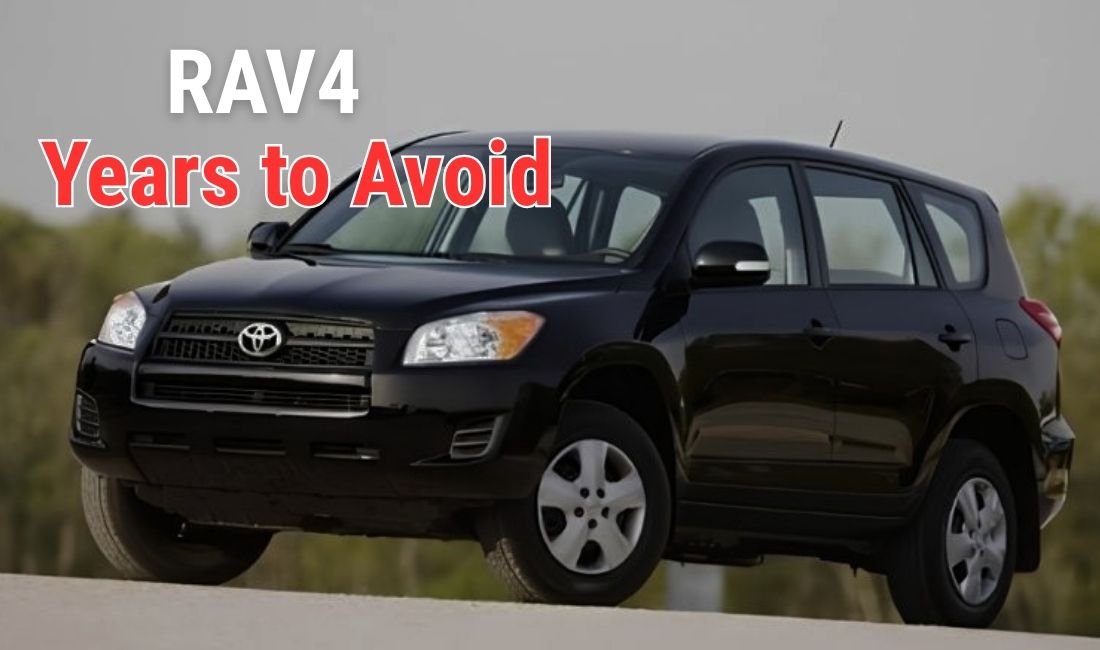
Although reliable, the Toyota RAV4 has its fair share of ups and downs through its various models. Production has yielded some great models while having some misses.
We have all the details of the worst and best Toyota RAV4 years. Follow along to find out!
9 Worst Toyota RAV4 Years You Should Avoid
If you’re thinking about getting an RAV4, do yourself a favor and skip the 1996, 2001-2003, 2009, 2011, 2012, 2013, and 2019 models. They’ve got engine stalls, rough gear shifts, and transmission issues — definitely not what you’d want for your comfortable driving experience!
1st Generation
According to the reviews and our research, 1996 RAV4 models are the ones you’ll want to avoid.
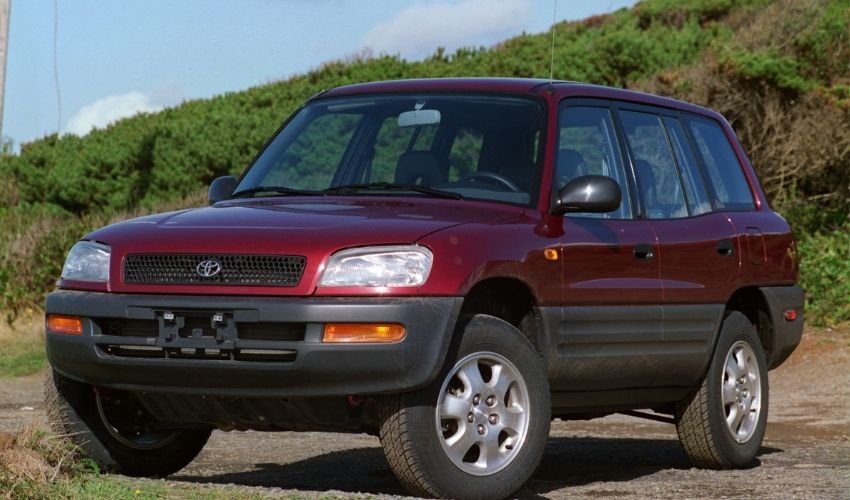
Considering the 1996 Toyota RAV4 model was one of the first of its kind, expect to see some typical early model issues. Owners of these models have experienced issues with either engine stalling or rough gear shifts, primarily with the models equipped with the manual transmission.
And the worst part? Safety standards were poor during those years! Modern safety standards leave most of us feeling exposed in models from 1996. Airbags and anti-lock brakes (ABS) were considered added features. Many of these models don’t even include safety features that would make the average personally feel comfortable.
The safety features in the 1998 to 2000 models improved slightly. Dependability of the engine was better than previous models. You may still not find advanced technology in the later models, but you could find some models that provide decent safety features.
Also Check: Where Are Toyotas Made?
Second Generation
Are you thinking about buying a second-generation Toyota RAV4 (2000-2006)? Then there’s something you should know: the 2001-2003 models are the ones you’ll want to stay away from, and here’s why.
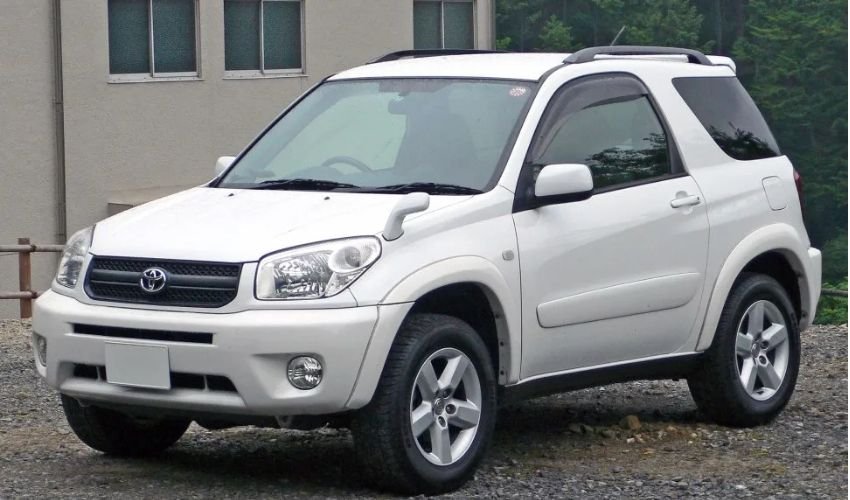
The biggest problem with these vehicles is widespread, severe transmission failures. These problems will cause serious damage and be very expensive to repair. Many of testers reported shifting problems and gears slipping. Some of them reported that the transmission completely failed.
These transmission problems tended to propagate problems to other parts of the vehicle. This is because the transmission and the engine control components form a powertrain, and thus all the mechanical problems mentioned earlier will cause a failure of the powertrain.
Safety features for these vehicles were equally as bad as the safety features of the first generation. They meet safety standards of their era, but 2001-2003 RAV4 models do not come with side airbags (which were not standard at the time), and therefore do not meet safety standards if you prioritize safety with your vehicle purchases.
Do you still want to purchase them despite these huge drawbacks? Remember to check if an option for side airbags is available, because if you ignore the problems, at least you can get side airbags.
Third Generation
The years 2009, 2011, and 2012 are probably the years you want to avoid when purchasing the third generation Toyota RAV4.
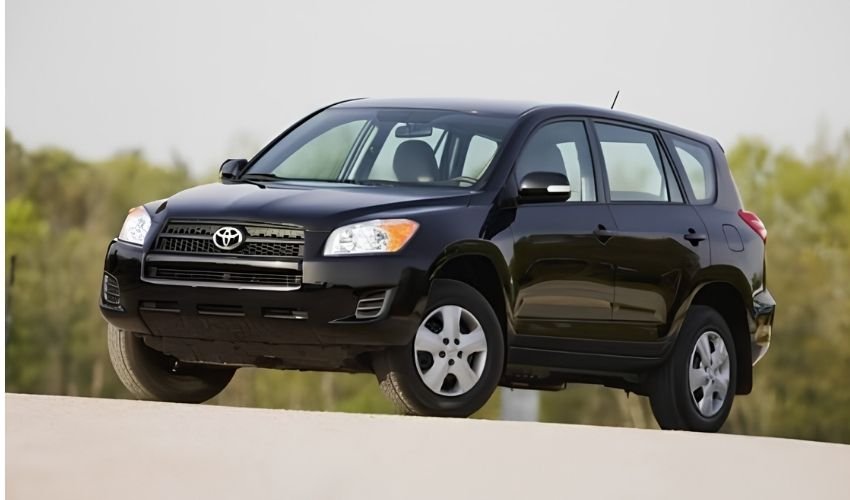
These years are famous for the unintended acceleration issue. Imagine you come to a complete stop, and have your foot on the brake, and your RAV4 defies your command to stay put and decides to move forward at its own will.
This is what happens to a good deal of our testers. It causes highly distressing and dangerous circumstances. It almost caused even more accidents. Many of the owners of the RAV4 have also stated that they had the same issue during our surveys. They would apply the brake, and the car would not even come to rest.
We are in no way trying to state that this is an easy occurrence to predict, but a good number of accidents that we have had show this is a common occurrence that happens when you park and bump other cars. It has even happened at high speeds where it poses an even greater risk to the owner of the RAV4.
There are many explanations for this, the most prominent being a faulty electronic throttle control system. Other people say it is a faulty sensor or even a software malfunction. Regardless, what happens is that the control of the car is taken from the owner, and everyone is endangered.
Also Check: Toyota Crown Signia Review
Fourth Generation
Next, we advise avoiding the 2013 Toyota RAV4, which is a part of the fourth-generation models.
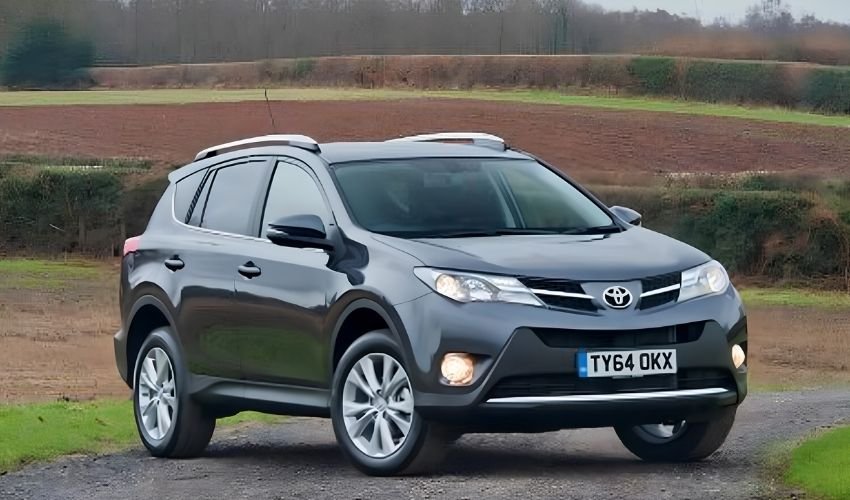
Drivers have complained about the low speed vibration for many years. Vibrations are not safe – The harsh vibrations happening at low speeds are felt throughout the vehicle and therefore the RAV4 is not ideal for stopping and slow speed driving in heavy city traffic or for pulling into a parking spot. Some owners chose to fix the problem by replacement of the torque converter for around 4500 dollars.
Many owners have complained about issues with the infotainment system in their 2013 RAV4. Particularly, about the navigation screen. Testers mentioned how hard it was to read in sunlight. We tried to fix the issue ourselves by adjusting the brightness and contrast, going to a dealer for a software update, but in the end, the only solution was to squint at the screen and/or find another way to navigate when the sun is out.
We also researched the problems with the transmission, which is less common, but still important to know. The shifting for many drivers is sluggish. Others complain about lagging to move the vehicle. Eventually, these problems lead to much larger issues and, of course, transmission repairs are time consuming as well as expensive.
Fifth Generation
Despite Toyota’s strong reputation for reliability, the 2019 RAV4 has raised several red flags for drivers, with the 2019 RAV4’s transmissions and brakes getting a lot of attention.
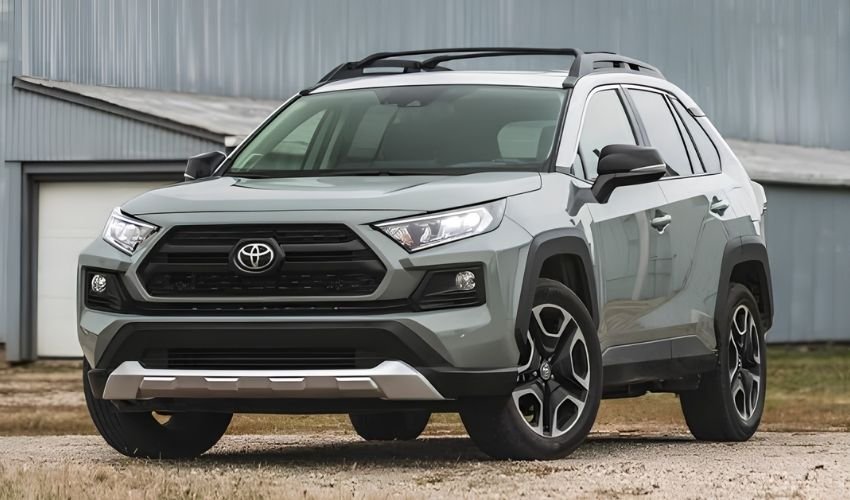
The transmission is a complaint hotspot and for not-so-good reasons. The 2019 RAV4 drivers have reported lurching and hesitation of the vehicle in the lower speed ranges. This has been reported in much newer RAV4s, which has caused many to believe the problem is not caused by wear and tear. In fact, some RAV4s had trouble shifting gears during our tests because of such bad transmission slippage.
And the issues continue to roll in. Rumors are spreading that the stiff transmission also seemed to lose responsiveness at all. For some, the opposite happened. Their vehicle sped up uncontrollably. That has the experienced driver nerve-racked.
Moving on to the braking systems. The braking system should be the most reliable. Sadly, that was not the case for the 2019 RAV4. New owners of the RAV4 reported a squealing or clunking noise while braking. There were also certain systems that would shut off on their own.
On a positive note, Toyota did critique and fix a lot of the issues that occurred in the 2019 RAV4 and following models. If you have your heart set on the fifth generation RAV4, then go for the 2020 model and following generations.
What Are The Best Years for RAV4?
We now know which years to avoid and which years are the more reliable models. If you were curious, we have compiled this list of years that are reliable and safe for purchase.
1998 RAV4
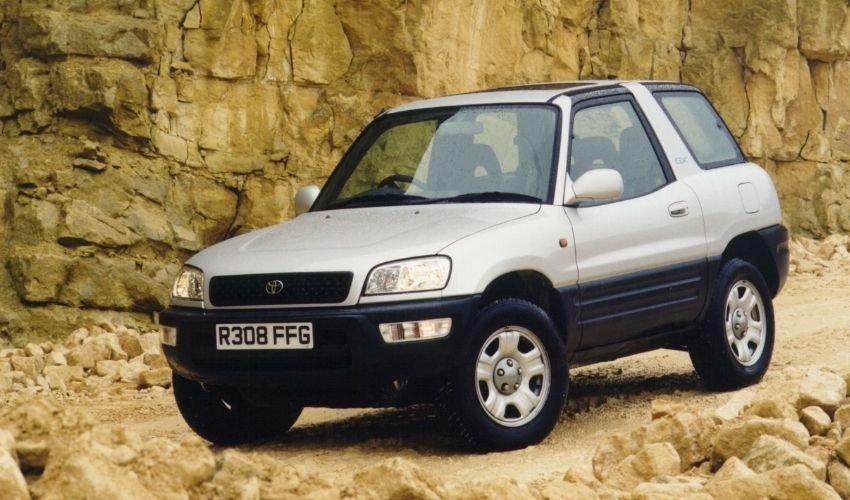
Simplicity of design and great reliability are some of the attributes of the 1998 RAV4. This model is a classic.
One advantage is that this model doesn’t swamp you with fancy electronics, and therefore, has fewer long-term problems. A used car is likely to achieve 60, 70, maybe even 80 thousand miles with proper regular maintenance!
The 1998 RAV4 also has a lightweight, body-on-frame design. This allows the RAV4 to tackle tough roads and makes it an especially good choice for those who prefer the option of a manual transmission and like to have have a bit more driving control.
2004 Toyota RAV4
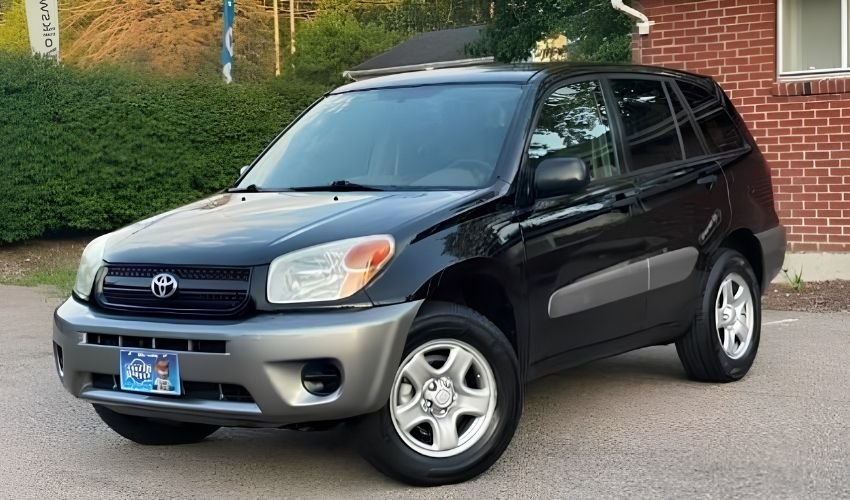
For the 2004 RAV4, we have to skip a few model years to get to a fairly reliable choice. The 2000s had some pretty infamous model years with a lot of quality issues.
Fortunately, for this model year, a number of owners have reported running these well over the 100,000 mile mark with some basic maintenance. Drivers also noted that this model year has some safety features to allow you to drive on roads that are moderately off-roading with less of a worry.
2010 RAV4
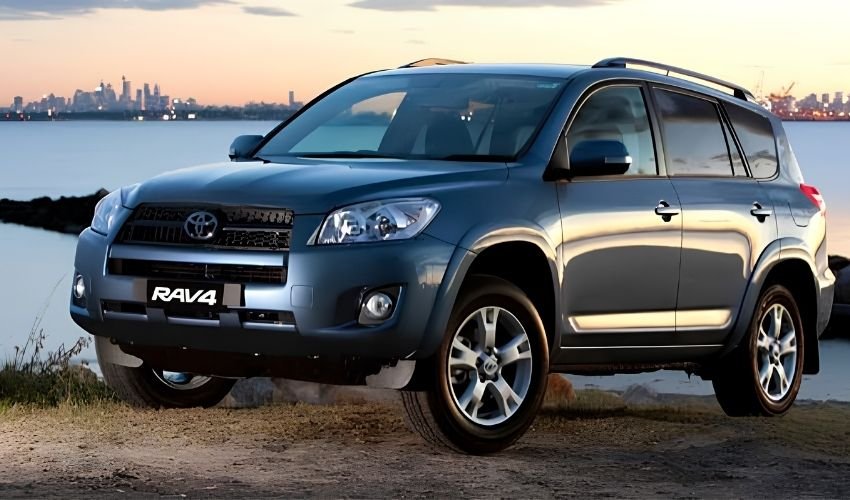
The 2010 has improvements under the hood and is a good combination of power and fuel economy. This model is likely to perform past 200,000 miles overall with numerous owners reporting their RAV4s reaching 300,000 miles.
It’s not just the engine – Toyota also upgraded the suspension and ride quality for a smoother, more comfortable drive. With some of the best reliability ratings in its class, this is a choice you can’t go wrong with.
2015 Toyota RAV4
Fast forward to the 2015 Toyota RAV4, you have got a compact SUV that has all the right marks for reliability. What makes this year special is how rarely it needs repairs compared to similar cars; owners say it has very few problems even after driving many miles.
It also comes with helpful safety tech like lane departure warnings and automatic emergency braking, so you can trust it to stay reliable while keeping your passengers safe.
2023 RAV4
The 2023 RAV4 builds on everything drivers have come to love about the model over the years, refining the formula rather than reinventing it. Toyota tightened up the chassis and improved efficiency, and it shows on the road.
Toyota Safety Sense 2.0 comes standard, bringing a solid suite of driver-assist features to the table, and a reworked transmission helps deliver a smoother, more refined ride. Add it all up, and you’ve got an SUV that’s comfortable and dependable enough to handle whatever a long family road trip throws at it.
FAQ – RAV4 Years to Avoid
The 2006, 2007, 2008, and 2013 RAV4 model years tend to have the most reported problems, especially with the engine, transmission, and excessive oil consumption.
The worst RAV4 years often suffer from engine oil leaks, transmission slipping or failure, excessive oil consumption, and in some cases, steering or suspension problems.
The 2009, 2010, 2014, 2015, 2016, 2018, 2020, and 2022–2024 RAV4 years are the most reliable and safest choices for used buyers.
It can be, but only if it has a full service history, no major repairs needed, and a trusted mechanic confirms the engine and transmission are in good condition. Otherwise, it’s usually better to choose a better model year with lower risk.
Yes, newer RAV4 models (roughly after 2019) usually have fewer serious issues thanks to improved engineering, better build quality, and more advanced safety and reliability features.